Last updated October 30, 2026
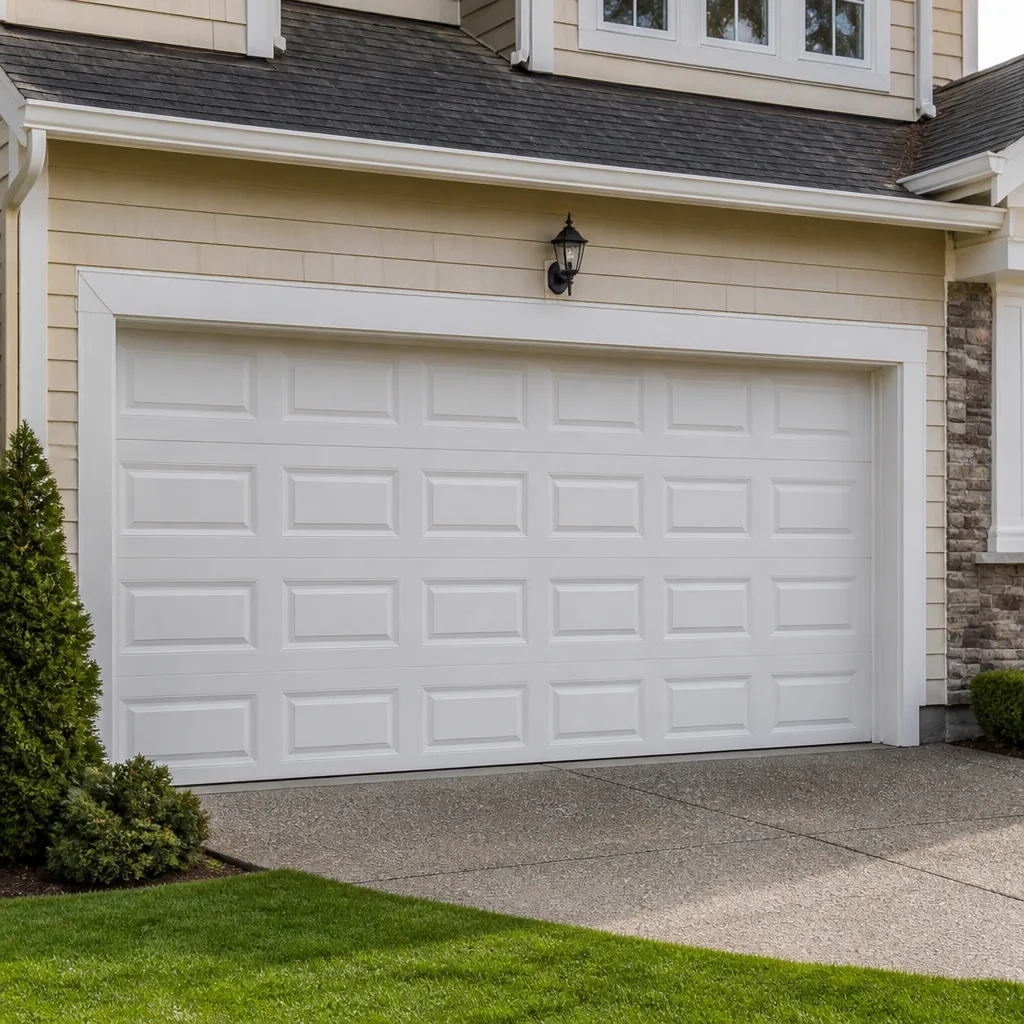 Raised-panel steel
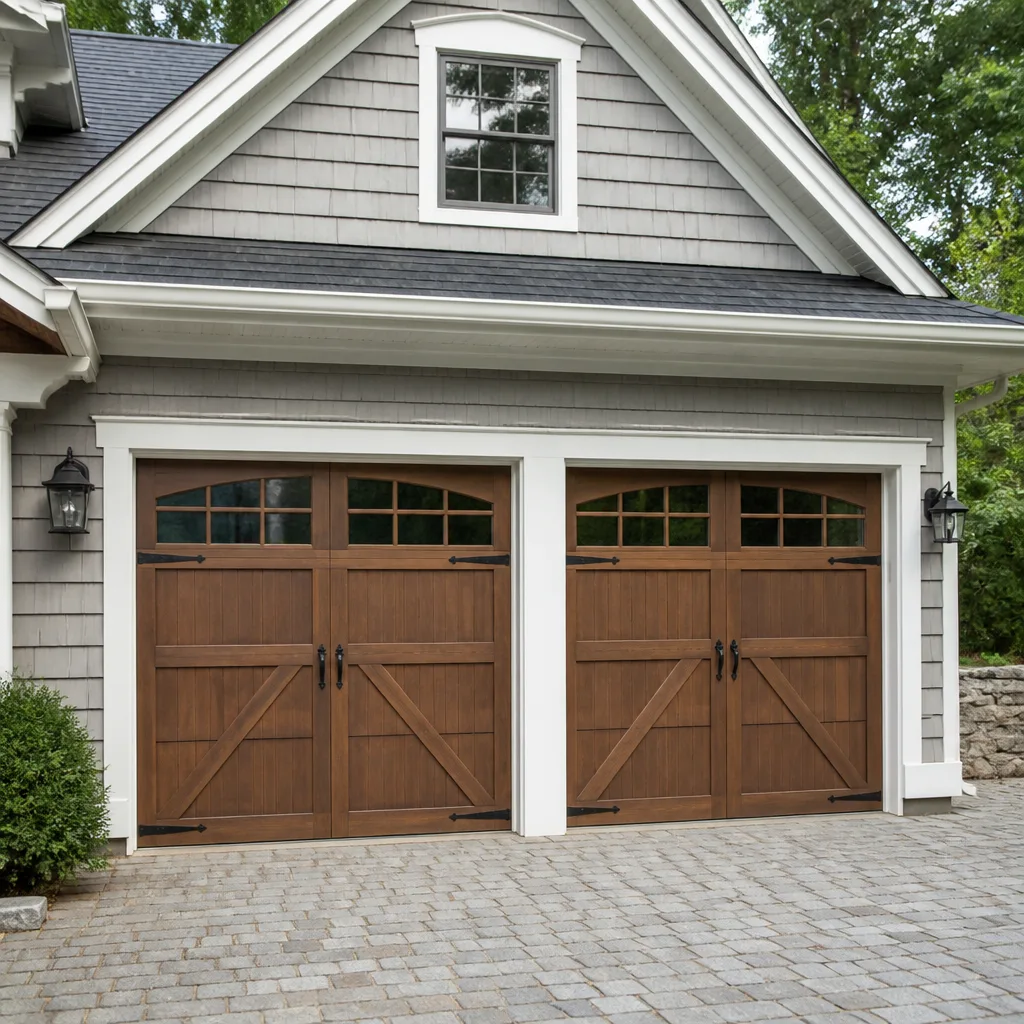 Carriage house
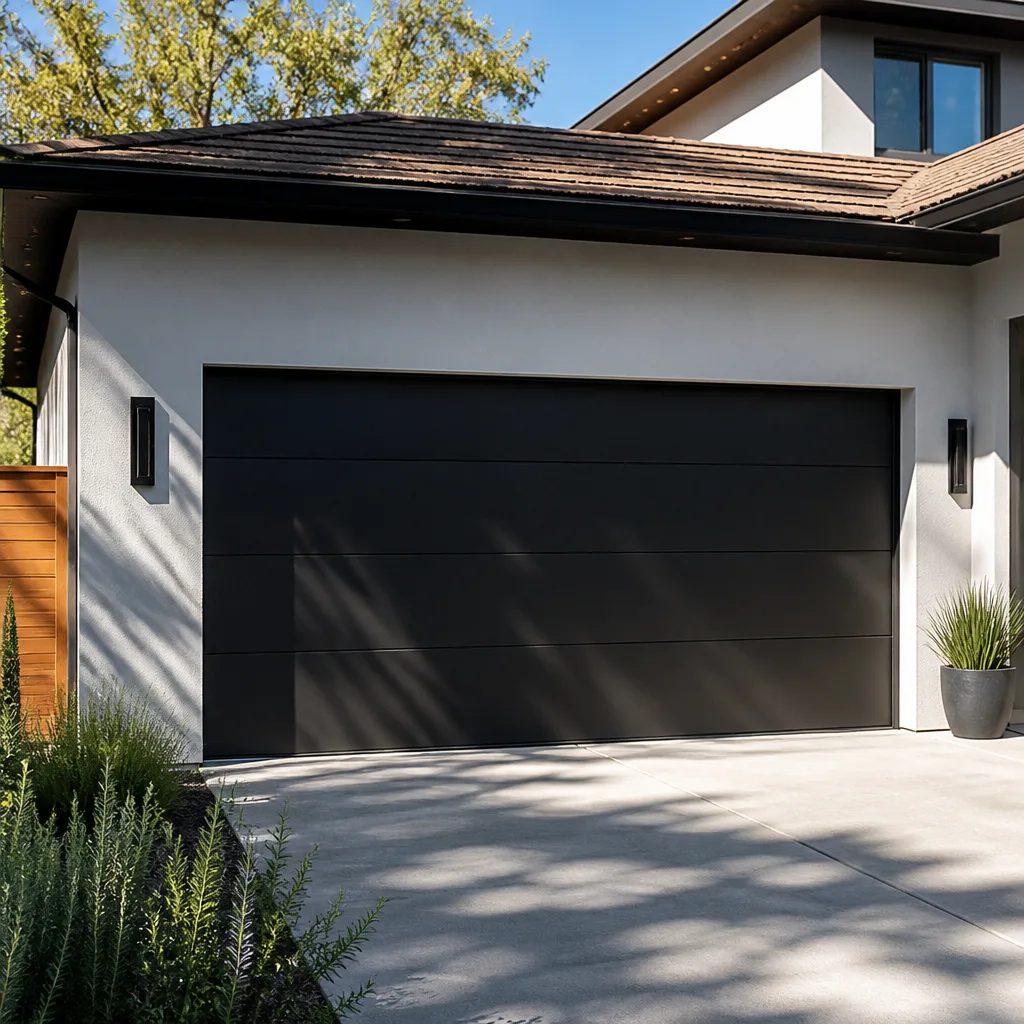 Modern flush
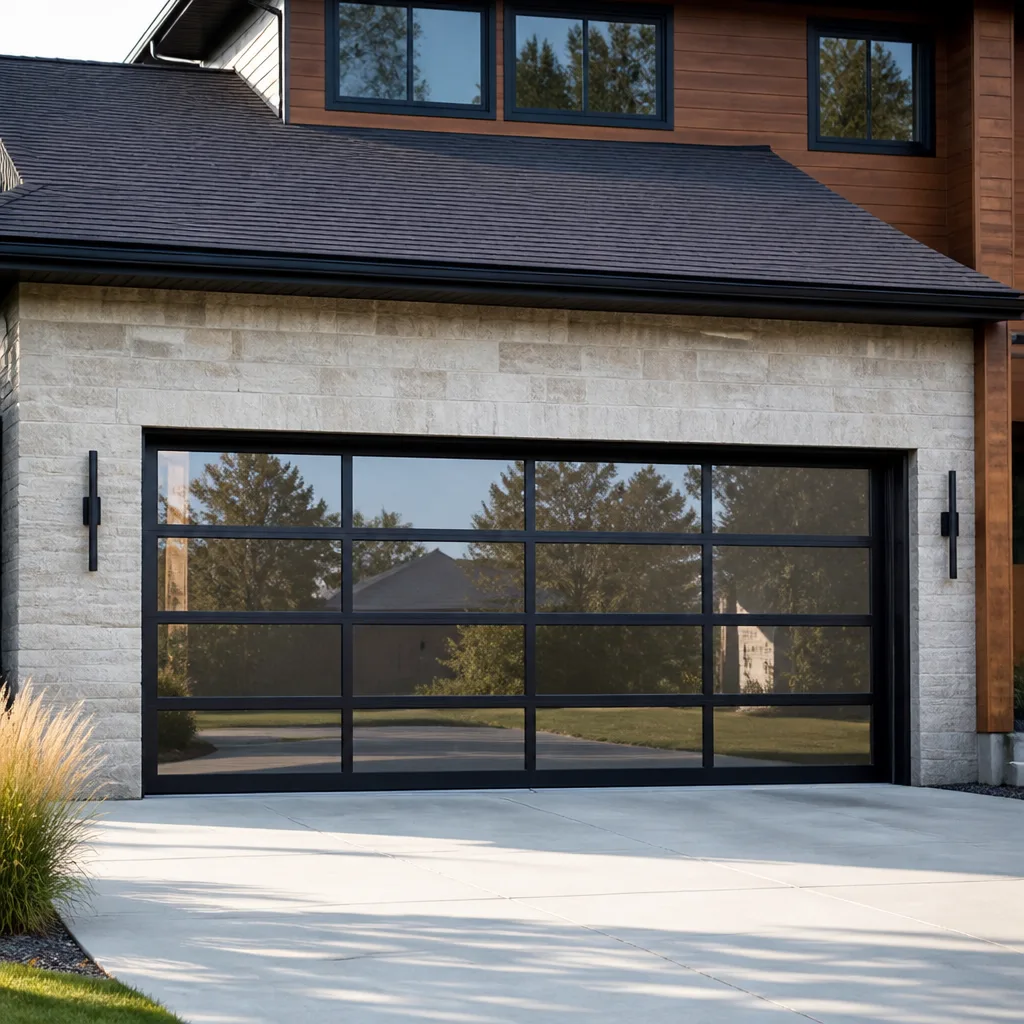 Full-view glass
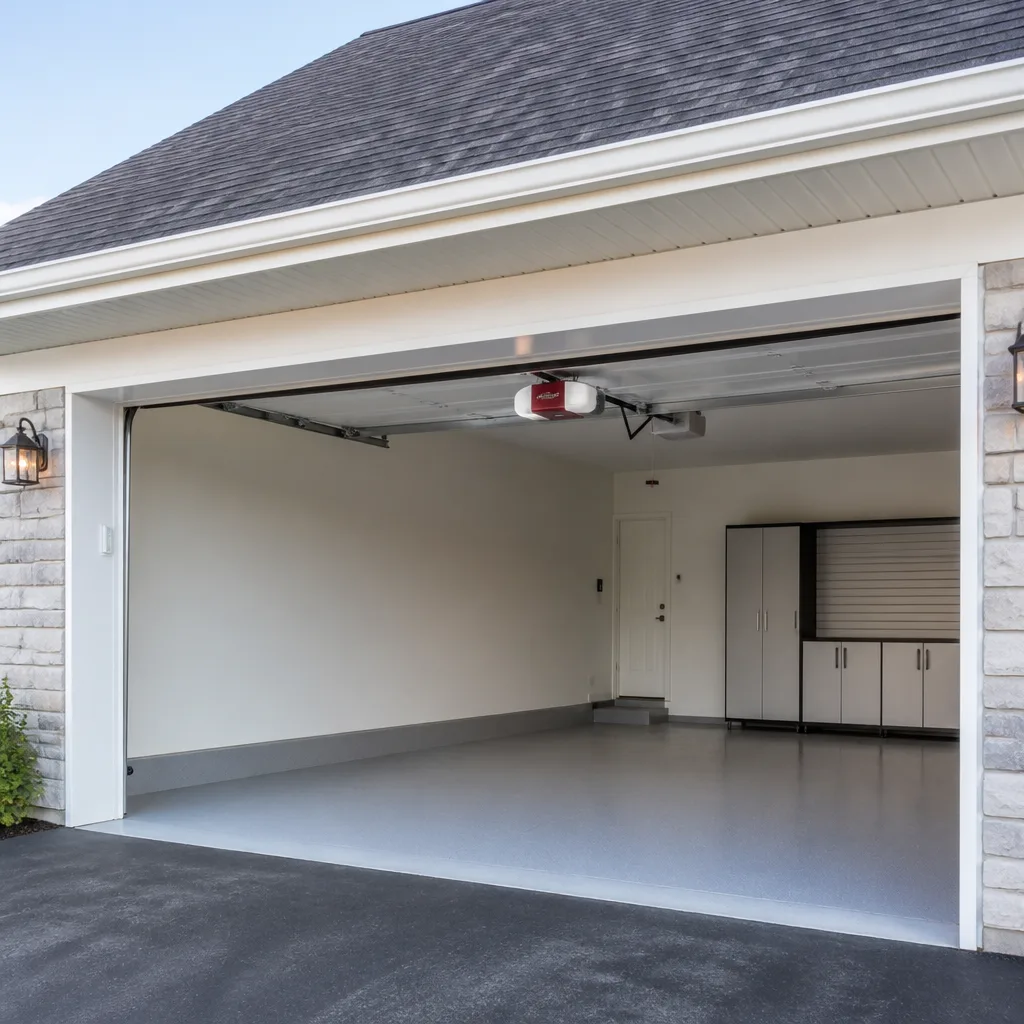 LiftMaster openers
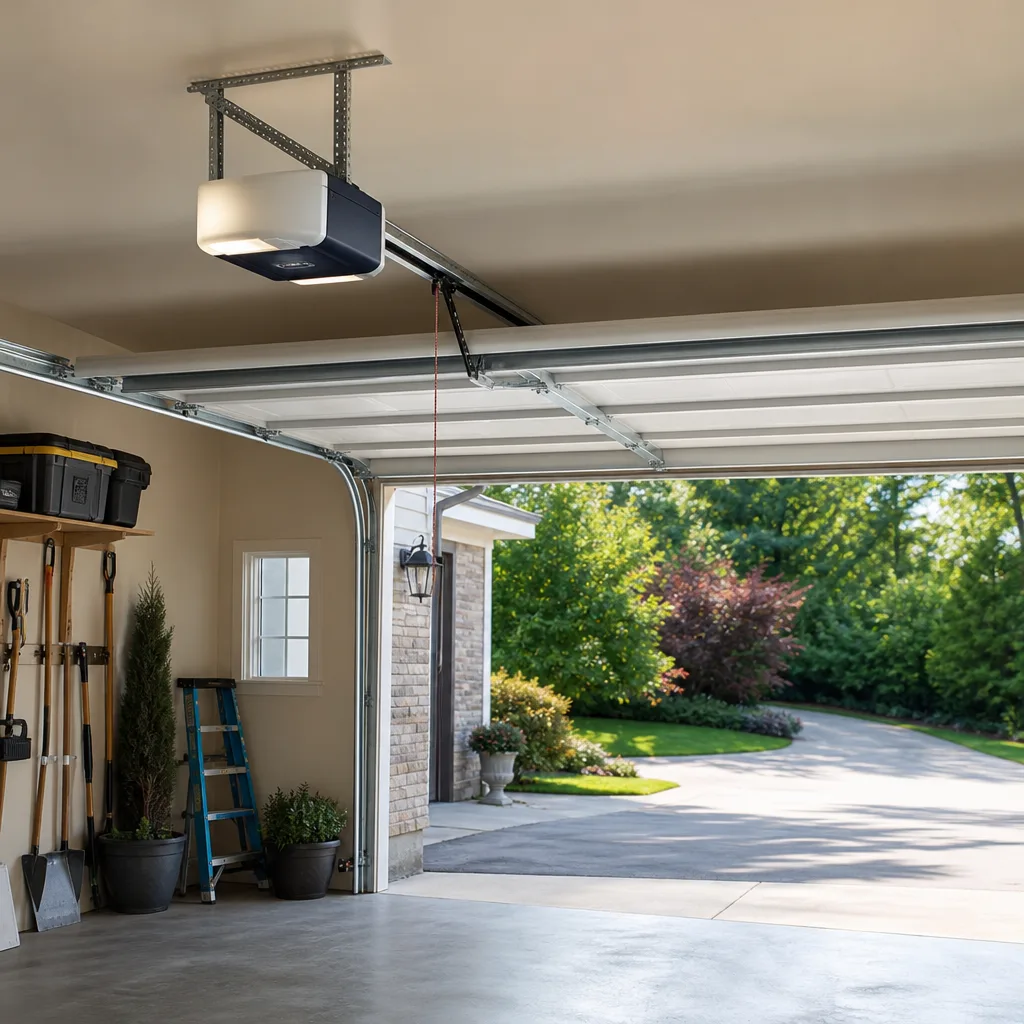 Chamberlain openers
Full 25-point door and opener safety check with every visit - springs, cables, rollers, tracks, and your LiftMaster or Chamberlain opener included
You get a price before we start. It does not change when the truck arrives.
Get your free estimateThe Complete Garage Door Repair Guide for Orlando Homeowners
A garage door spring rated for 10,000 cycles can fail in under three years in Orlando. Not because it was cheap. Not because it was installed wrong. But because thermal expansion from 95°F afternoons is doing work the cycle-count lab never simulated. This guide explains what actually breaks on Orlando garage doors, why our climate accelerates those failures, which repairs you can safely handle yourself, and when a trained technician from Carriage Garage Door Repair home is the only sensible call.
Quick Answer
Most Garage Door Repair services in Orlando cost between $125 and $450 depending on the component, with broken springs being the most common and most dangerous failure. A repair strategy that ignores heat cycling, humidity, and hurricane-season stress is just postponing the next breakdown. If the door makes a loud bang, hangs unevenly, or refuses to move, call a professional before attempting to force it.
Styles & brands we work with
Table of Contents
- Why Orlando’s Climate Is Your Garage Door’s Worst Enemy
- Spring Failures: The Repair Orlando Homeowners Face Most
- DIY-Safe Repairs vs. Jobs That Require a Pro
- Brand-Specific Quirks: Clopay, Wayne Dalton, LiftMaster
- Assessing Storm Damage After Hurricane Season
- Orlando’s Two-Season Maintenance Calendar
- When the Door Works but the Opener Doesn’t
- What Actually Drives Garage Door Repair Costs in Orlando
Why Orlando’s Climate Is Your Garage Door’s Worst Enemy
National repair guides talk about garage doors in terms of cycles, years, and usage. That misses what we see every week across Orlando. Our climate punishes metal components in ways a homeowner in Denver or Columbus never experiences. Humidity hangs above 70% for most of the year. Afternoon thunderstorms roll through from June through September. Salt-laden air from the Atlantic and Gulf rides inland on a regular basis. And the thermal swing between a 95°F afternoon and a 72°F air-conditioned garage puts every steel spring and aluminum track through a daily expansion-contraction workout.
Corrosion is the first casualty. Galvanized springs, cables, and hinges carry a zinc coating designed to resist rust. But in Orlando, that coating degrades faster than national averages would predict. We see surface rust on hardware within eighteen months of installation in lakeside neighborhoods like Conway and Belle Isle, where ambient humidity sits higher than inland areas like Ocoee or Apopka. Cables in coastal-adjacent communities like Dr. Phillips and Windermere show pitting sooner than the manufacturer’s intended lifespan because of the moisture content alone.
Heat is the second factor. Steel expands when hot. Aluminum expands at a different rate. Your tension spring stores enormous mechanical energy, and every afternoon heat soak adds microscopic fatigue that accumulates faster than the spring’s cycle rating suggests. The spring that would last seven years in a mild climate often fails in three to four here. The lab tests that produce those 10,000-cycle ratings are run at room temperature, not under a Florida sun loading a closed garage door to 115°F for hours at a stretch.
The practical takeaway: when you schedule a repair in Orlando, the technician should be evaluating more than the broken part. They should be looking at how your entire system is wearing under conditions unique to Central Florida. That’s the difference between fixing today’s failure and preventing next season’s.
Spring Failures: The Repair Orlando Homeowners Face Most
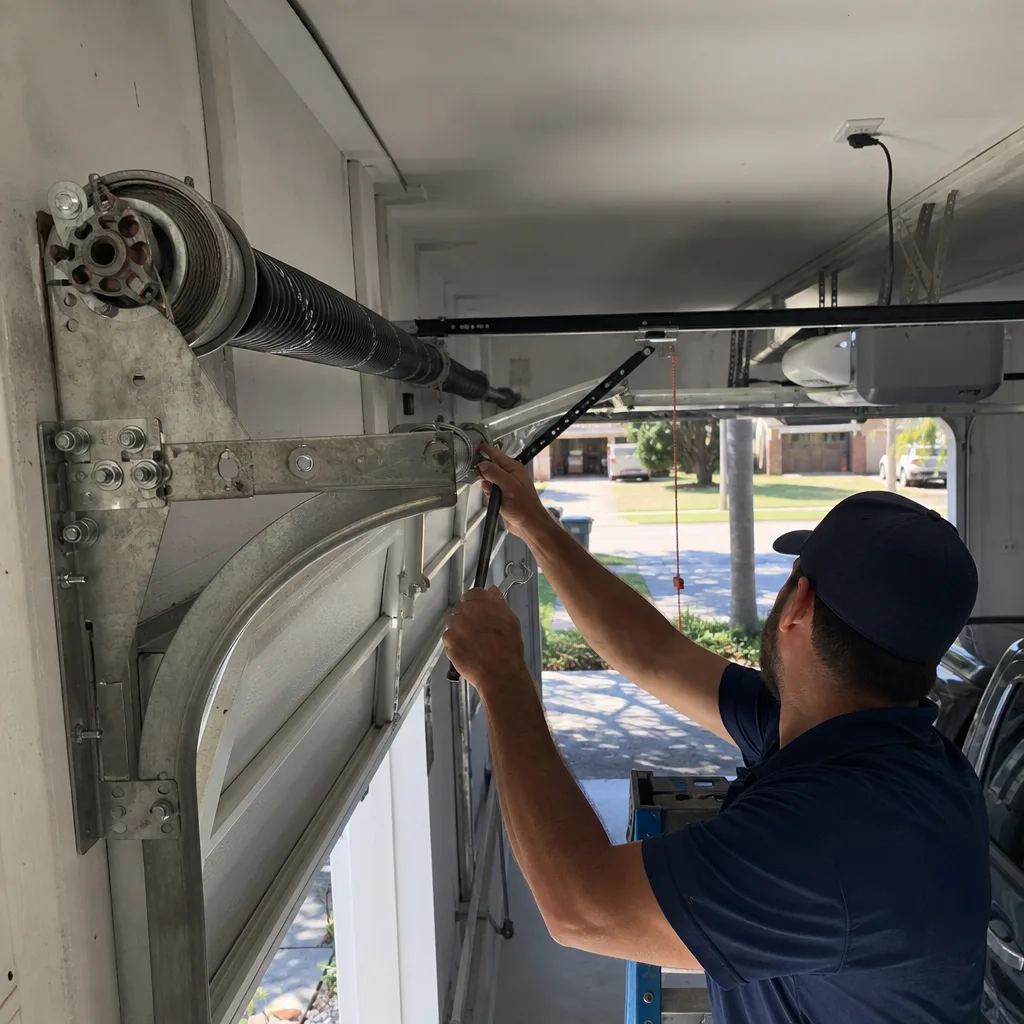
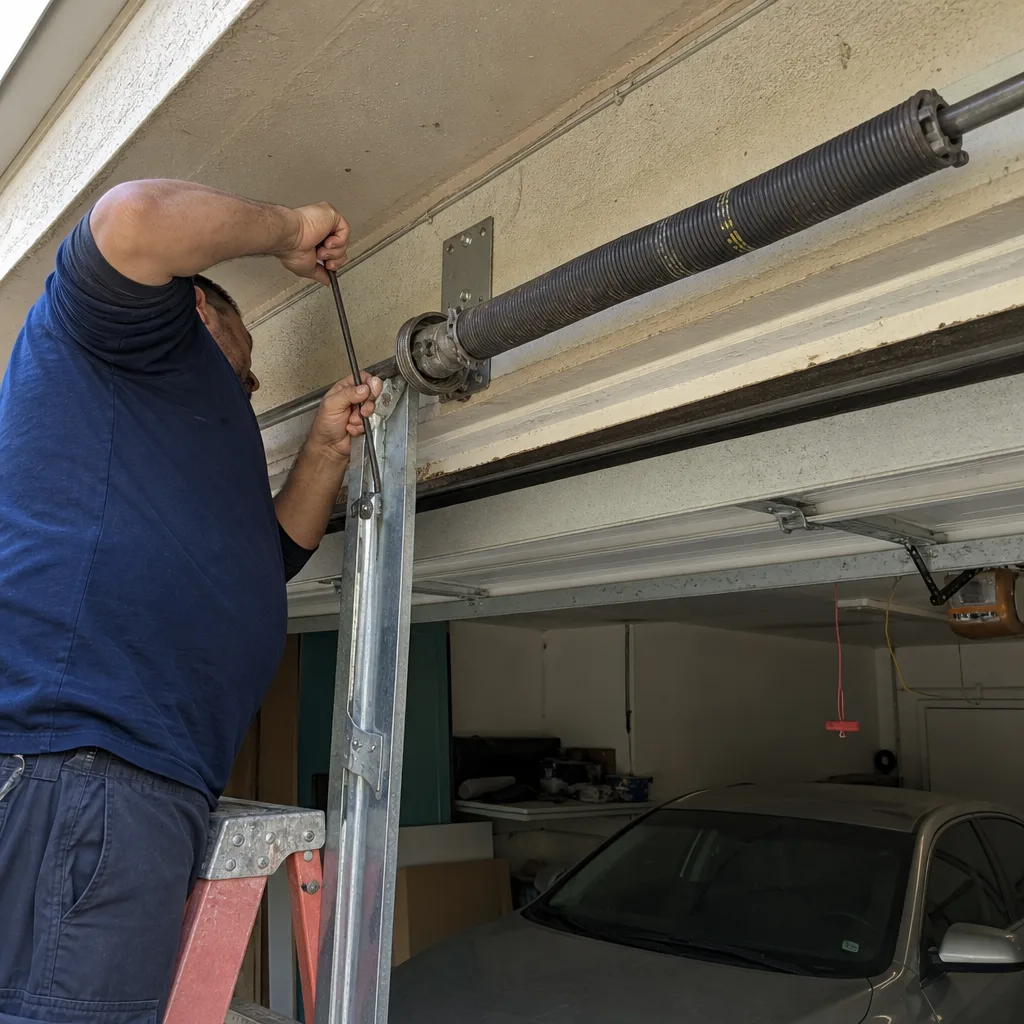
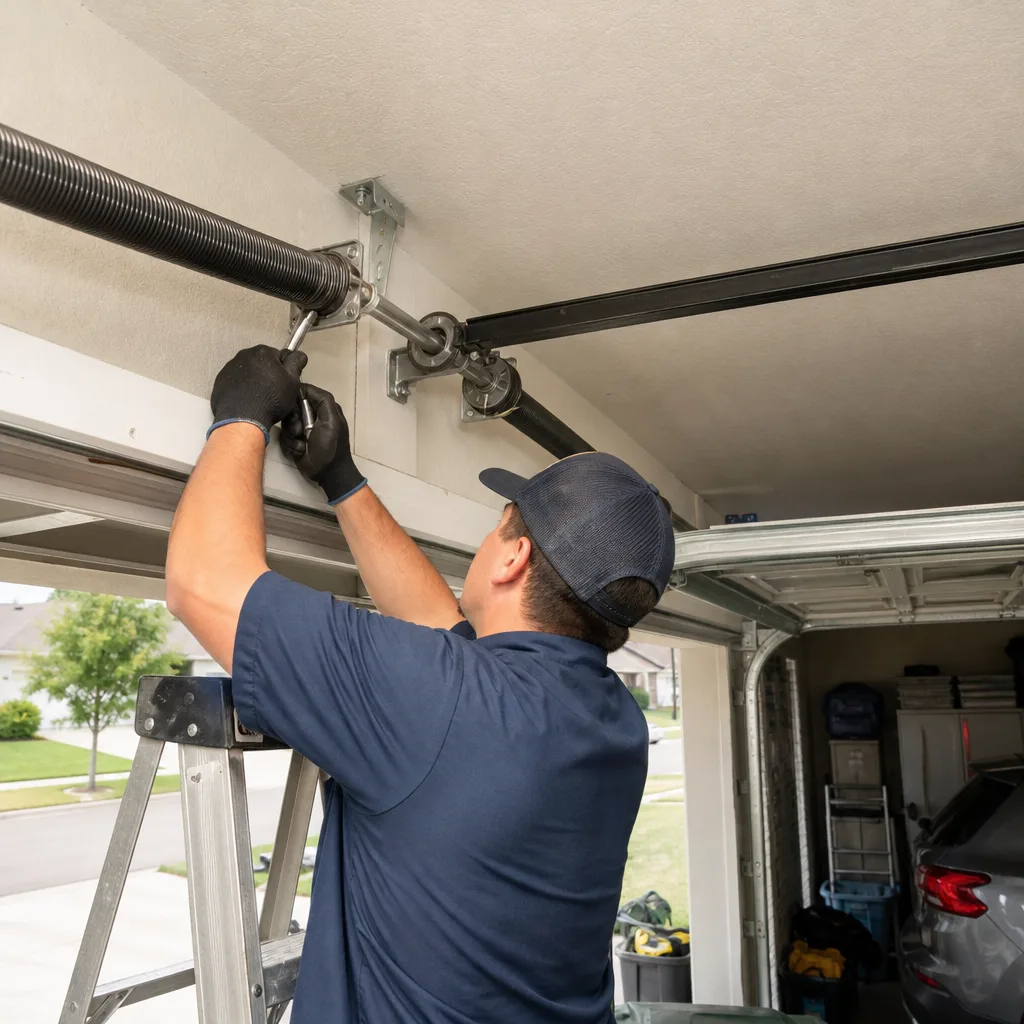
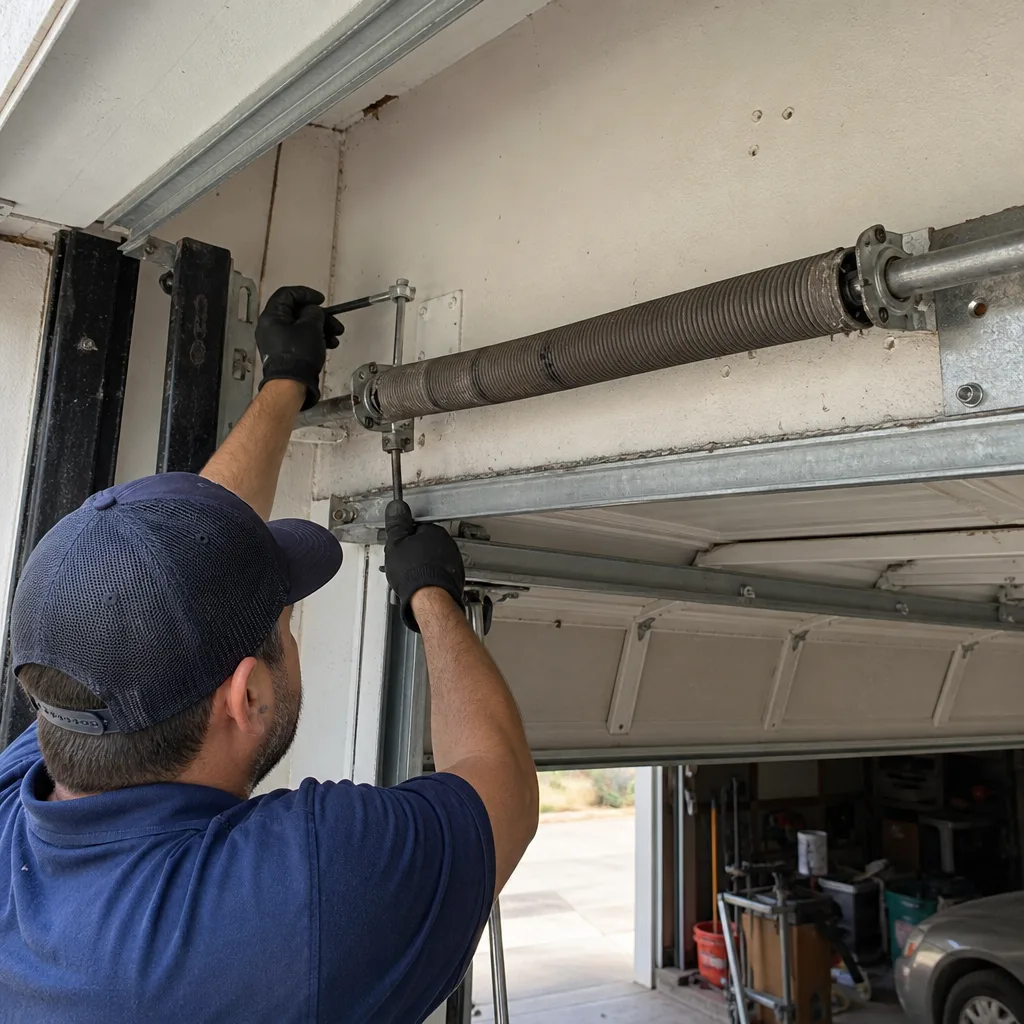
If you hear a sound like a gunshot from your garage in the middle of the night, that’s a torsion spring letting go. It’s the single most common repair call in Orlando, and it accounts for the majority of what we see year-round. Torsion springs sit horizontally above the door opening. They counterbalance the door’s weight so the opener motor only lifts a fraction of what it would otherwise have to move.
Here’s what happens when a torsion spring breaks:
- The spring loses all tension instantly, releasing stored energy in a fraction of a second.
- The door becomes dead weight, often 150 to 400 pounds depending on size and material.
- The opener motor, if engaged, tries to lift that weight and either stalls, strips a gear, or burns out.
- The door typically stays shut because the spring fails while under tension with the door closed, which is the safest possible failure mode.
A homeowner in Winter Park once told us he’d been tightening the spring bolts every few weeks “just to keep it working.” That’s not maintenance. That’s a warning sign. A spring that needs frequent adjustment has already lost its temper and is shedding tension unpredictably. It can snap at any time, and a snapping spring near a ladder or an open door has killed and maimed before.
What to check: Look at the springs above your door. If you see a gap in the coil, that spring is broken. If one is broken, the other is almost certainly near the end of its life. They’re installed as a pair and wear together. We always replace both springs on a double-spring system, even if only one has snapped. Replacing one guarantees the second will fail within months, and you’ll pay for another service call.
Cost reality: Spring replacement in Orlando typically runs $180 to $340 including the springs, labor, and balancing the door afterward. That price should be quoted and agreed before any work starts. A reputable shop will tell you the exact number up front. If someone quotes you a price and then adds charges after the work is done, that’s a red flag. Garage Door Repair in Orlando should always come with a fixed quote before the first wrench turns.
DIY-Safe Repairs vs. Jobs That Require a Pro
Some garage door maintenance is genuinely doable for a careful homeowner with basic tools. Other tasks should never be attempted without professional training and equipment. The distinction matters, and it’s not always intuitive. Our guide on DIY vs Professional Garage Door: The Orlando Homeowner’s Decision Guide breaks down exactly where to draw the line.
DIY-safe tasks (low risk, basic tools):
- Track cleaning: Wipe down vertical and horizontal tracks with a dry cloth. Don’t lubricate the tracks themselves; that attracts Orlando’s gritty dust and creates a paste that grinds rollers down faster.
- Photo-eye alignment: If your opener reverses immediately or won’t close, check whether the small sensors near the floor are pointing at each other. Loose brackets after a storm are common. Gently realign and tighten.
- Visual inspection: Look at cables, springs, rollers, and hinges monthly. You’re looking for fraying, rust, gaps, or anything that wasn’t there before. Document with photos if you want a pattern over time.
- Battery replacement: Keypads and remote batteries are straightforward. The opener’s backup battery is also typically owner-replaceable, though you should check your manual first.
Never attempt these without a trained professional:
- Torsion spring replacement: These springs hold 100 to 400 pounds of torque. The winding bars required to install them are hardened steel rods. One slip can deliver bone-shattering force. In our experience, the gap between “watched a YouTube video” and “replaced a torsion spring safely” is wider than most homeowners imagine.
- Cable replacement: The lift cables run alongside the door and carry full door weight when the spring breaks. They run through pulleys and wrap around drums under tension. A snapped cable in Orlando likes to whip.
- Opener motor replacement: This involves disconnecting the door from the drive mechanism, handling electrical wiring, and re-balancing the system. Brand-specific logic matters. A LiftMaster motor is not a Chamberlain motor, even though the same parent company makes both. Getting polarity or force settings wrong creates a door that becomes a hazard.
- Any repair after storm damage: If a tree limb hit the door, if the door came off its track, or if the frame is dented, the system has been subjected to forces it was never designed to handle. The risks of attempting a repair are compounded by hidden damage you can’t see from the outside.
We’ve had Orlando homeowners call us after an attempted DIY spring replacement left them with a door that was crooked, a spring that was wound wrong, and a repair bill that was tripled because we had to undo the damage before we could fix the original problem. The money saved on doing it yourself evaporates the moment a mistake happens. And with torsion springs, “mistake” can mean a hospital visit.
Brand-Specific Quirks: Clopay, Wayne Dalton, LiftMaster
Orlando subdivisions have their patterns. Drive through neighborhoods like Avalon Park, Hunter’s Creek, or Lake Nona, and you’ll notice the same door brands repeating house after house. Builders in the Orlando market have favored a handful of manufacturers over the years, and each brand has its own failure profile.
Clopay: The most common door brand in Central Florida
Clopay doors are everywhere in Orlando. They’re the default for many production builders, and they’re generally a solid product. But we see one recurring issue with Clopay systems in our climate: the bottom seal and retainer design holds water after heavy rain, and that trapped moisture accelerates rust on the bottom panel. The panel’s steel core starts corroding at the bottom edge, and by the time a homeowner notices bubbling paint, the panel is often beyond repair. A simple check after each hurricane season: run your hand along the bottom edge of the inside panel and feel for soft spots or flaking.
Wayne Dalton: The torque-master spring system
Wayne Dalton doors often ship with what’s called a TorqueMaster spring system, a spring enclosed in a tube rather than exposed above the door. It looks cleaner, but it creates a diagnostic challenge. The spring is hidden, so a homeowner can’t see whether it’s broken. And because the system is enclosed, it traps heat and humidity inside the tube in Orlando’s climate, accelerating wear. When a TorqueMaster fails, you’ll hear a muffled bang, not the loud crack of a standard torsion spring. Don’t mistake the quieter sound for a less dangerous failure. The door is still dead weight.
One common misdiagnosis: a Wayne Dalton door that won’t stay open or closes too fast is often assumed to have a broken spring when it’s actually a TorqueMaster that has lost tension gradually. A technician familiar with the TorqueMaster system will test tension before recommending a full replacement.
LiftMaster: The opener that outlives its logic board
LiftMaster openers are workhorses. They’re also the most common opener brand in Orlando garages, and we repair them as a dedicated specialty. The motors rarely fail. What fails is the logic board, especially in garages that get hot. Orlando’s afternoon sun beating on a west-facing garage door can push the inside temperature past 120°F, and the electronics bake. Symptoms include the opener running but not moving the door, remote signal loss, or the opener activating randomly in the middle of the night.
Older LiftMaster models also use plastic gears that strip over time, particularly when the door is out of balance. A door that’s too heavy for the opener to lift will grind a plastic gear down to nothing in a season. That’s why we check spring balance on every opener diagnosis. A new gear on a door that’s still unbalanced is a repair that won’t last.
Chamberlain and Craftsman share the same parent company as LiftMaster, but they’re built for the retail market rather than professional installation. The motors are lighter-duty, the rails are thinner, and the logic boards are less protected from heat. We work on all of them. The point isn’t that one brand is better than another. The point is that each brand has its own failure language, and a technician who knows that language gets the right diagnosis the first time.
Assessing Storm Damage After Hurricane Season
Hurricane season runs June 1 through November 30 in Orlando. Even without a direct hit, tropical storms push wind bands through Central Florida that stress garage doors in ways routine use never does. A door that survives years of normal open-and-close cycles can take a beating in a single afternoon of 60 mph gusts.
Here’s a step-by-step assessment to perform after any significant storm passes through:
- Check the door’s plane: Stand across the street and look at the door. Is it flat? A bowed panel means wind pressure exceeded the door’s rating. Bowing is not cosmetic. A weakened panel will flex further in the next storm and can pull out of its track.
- Inspect the tracks: Look for bends, gaps, or shifting. Wind can pull the door sideways, bending tracks and creating a situation where rollers bind. If the door was operating while wind was pressing against it, the track damage might not be obvious until the door jams halfway up.
- Test the balance: Pull the emergency release handle (the red cord) and try to lift the door manually. It should lift smoothly to waist height and hold. If it’s heavier than it was or wants to slam down, the springs have been compromised. This is a diagnostic test, not a repair. Do it once.
- Look at the weatherstripping: High winds tear seals and rip bottom weatherstrip from the retainer. A compromised seal lets water, insects, and hot humid air into the garage. In Orlando, that translates to mildew growth and accelerated rust on everything metal inside.
- Check the opener’s force settings: If the door moved during the storm while the opener was engaged, the force adjustment may have shifted. A door that reverses unexpectedly after a storm often has a force setting that’s out of spec for its new, slightly misaligned track.
If you find damage in steps 1 through 3, call before you start a repair. A storm-damaged door is not a weekend project. It’s a structural failure waiting to happen.
Orlando’s Two-Season Maintenance Calendar
Generic garage door advice talks about spring and fall maintenance. That’s fine for Ohio. Orlando has two real seasons: hot and wet (May through October) and warm and dry (November through April). Your maintenance schedule should match.
May (before hurricane season starts):
- Inspect springs visually for gaps or rust. If a spring looks questionable, have a professional test the tension.
- Clean and lubricate rollers, hinges, and the lock. Use a silicone-based lubricant, not WD-40. WD-40 is a solvent that strips lubrication rather than adding it.
- Check the bottom seal and replace if cracked. During hurricane season, a good seal keeps water out during the daily summer downpours.
- Test the opener’s auto-reverse function. Place a 2×4 flat under the door and close it. The door should reverse within 2 seconds of contacting the wood. If it doesn’t, call for service.
October or November (after hurricane season wraps):
- Check for corrosion on springs, cables, and hardware that developed during the humid months. Surface rust can be cleaned. Deep pitting is a replacement signal.
- Inspect the weatherstripping for tears from wind-driven debris and replace if needed.
- Test the door’s balance manually using the emergency release. If it’s heavier than it was in May, the springs are losing tension.
- Wipe down photo-eye lenses. Dust and spider webs accumulate in the dry season and cause false reversal issues.
A half-hour of maintenance twice a year in Orlando catches most problems before they become midnight emergencies. And in this city, emergency calls during hurricane season come with wait times that are measured in days, not hours.
When the Door Works but the Opener Doesn’t
A garage door that operates smoothly by hand but won’t open with the remote or wall button points to the opener, not the door. This is a diagnostic distinction that saves homeowners from paying for door repairs they don’t need. Garage Door Opener Repair in Orlando is a specific specialty, not an afterthought, because opener electronics are where brand-specific knowledge matters most.
The most common opener symptoms we see in Orlando:
- The motor runs but the door doesn’t move: This means the drive gear has failed, or the belt/chain has broken. A stripped gear is the classic failure on older LiftMaster and Craftsman units that spent years lifting an unbalanced door.
- The remote works only from very close: The logic board’s receiver is failing or the antenna is damaged. Heat degradation in a sun-baked garage accelerates this.
- The opener activates by itself: Intermittent signal from a failing board or a misaligned safety sensor circuit. This is a safety issue, not a convenience issue. An opener that operates when nobody’s pressing a button is dangerous.
- The door opens but won’t close: Photo-eye misalignment is the most common culprit, especially after a storm. But if you’ve aligned the eyes and it still won’t close, the force adjustment or the logic board may be the problem.
Opener repair is often a 30 to 60 minute job when the right technician shows up with the right part on the truck. It becomes a multi-day ordeal when someone has to order a board sight unseen. If your opener is more than ten years old and the logic board is failing, we’ll tell you honestly whether replacement makes more sense than repair. A new motor on a Rusty old board system is money spent twice.
What Actually Drives Garage Door Repair Costs in Orlando
Repair pricing is not mysterious. It’s driven by a handful of factors, and understanding them helps you evaluate quotes intelligently.
| Repair Component | Typical Orlando Range | Notes |
|---|---|---|
| Single spring replacement (pair) | $180 – $280 | Always replace in pairs. Labor included. |
| Double spring replacement (pair) | $250 – $340 | Heavier doors require two springs. |
| Cable replacement (one side) | $145 – $225 | Often done alongside spring service. |
| Opener logic board | $150 – $250 | Brand-specific. Not all boards are stockable. |
| Opener gear replacement | $120 – $200 | Common on LiftMaster models 10+ years old. |
| Track realignment | $95 – $175 | Price depends on how far out of alignment. |
| Bottom seal replacement | $80 – $140 | Parts and labor included. |
Three factors move you toward the high or low end of any range:
- Brand: Some manufacturers price replacement parts at a premium. Wayne Dalton TorqueMaster springs cost more to replace than exposed torsion springs because the entire tube assembly is replaced, not just the spring. Clopay panels are typically easier and cheaper to source than a custom Amarr panel.
- Access: Garage ceilings under 7 feet, obstructions above the door, or tight side clearances add labor time. An Orlando garage with a storage rack bolted over the door costs more to service than a clean, open space.
- Timing: A repair scheduled for Tuesday morning costs what it costs. A repair at 11 PM after a storm shuts your door on your car and your teenager needs to leave for work the next morning carries an emergency service premium. We’re upfront about that.
Every price we quote is the price you pay. It’s agreed before any work starts. No surprise line items, no “while we’re in there we found something else” additions without your explicit approval. That’s how a Garage Door Installation in Orlando shop should operate too. The counterbalance to Orlando’s demanding climate is a repair strategy built on straight answers.
Common Mistakes to Avoid
- Replacing only one spring on a two-spring system. Springs are installed as matched pairs. The second one is inches from failure. You’ll pay for another service call within months.
- Lubricating the tracks. Track lubrication attracts dust and grit, creating a grinding paste that destroys rollers. Lubricate the rollers and hinges. Leave the tracks dry.
- Using WD-40 as a lubricant. WD-40 is a water displacement product that strips lubricant. Use a silicone-based garage door lubricant instead.
- Ignoring a noisy door. That squeak or grind is metal wearing against metal. By the time it becomes a bang, the repair is more expensive than a $12 can of lubricant and a service call would have been.
- Holding the wall button down when the door doesn’t open. If the door strains and you keep pressure on that button, you’re likely stripping a gear or burning out a motor. Release the button and diagnose.
- Waiting until after hurricane season to check seals. The seal that fails in May lets water in all through the wet season. By October, you’ve got mildew and rust on top of a simple seal replacement.
See the difference
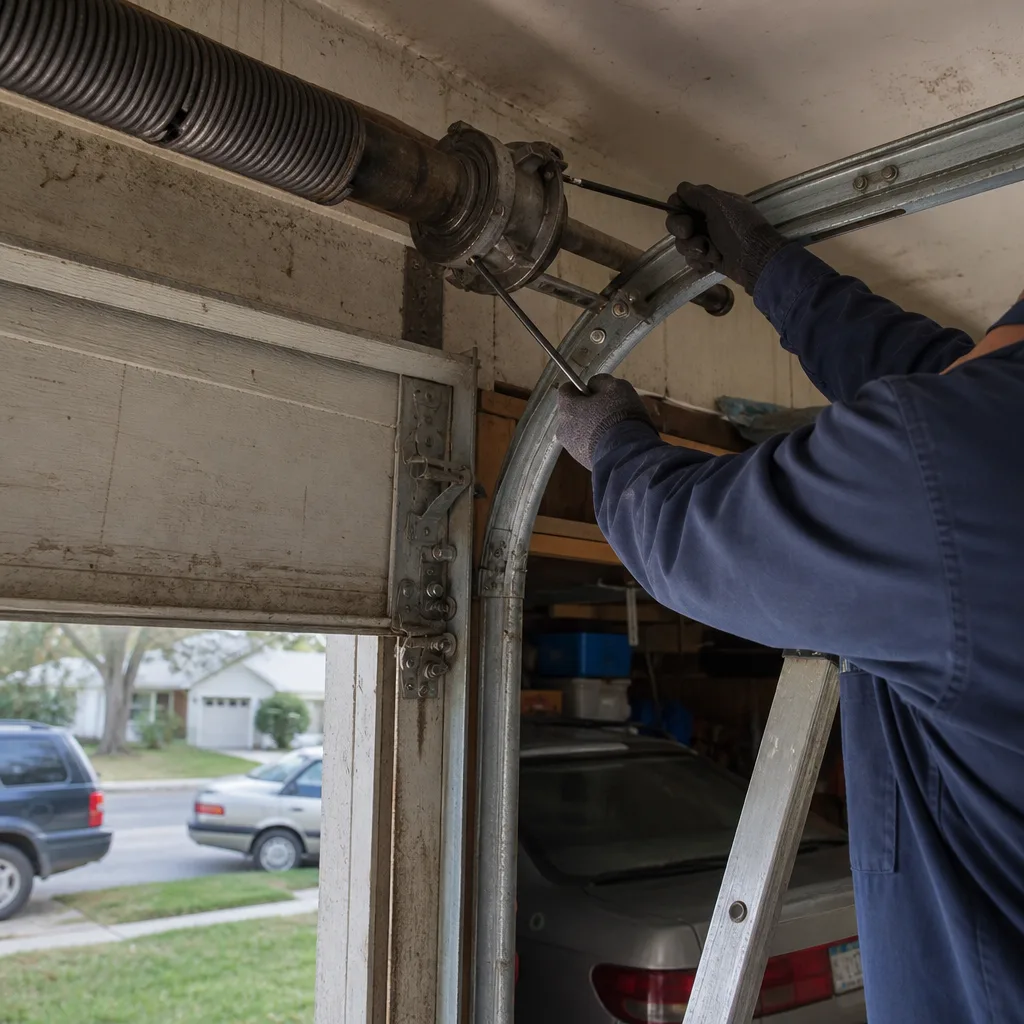 Before
 After
 Before
 After
 Before
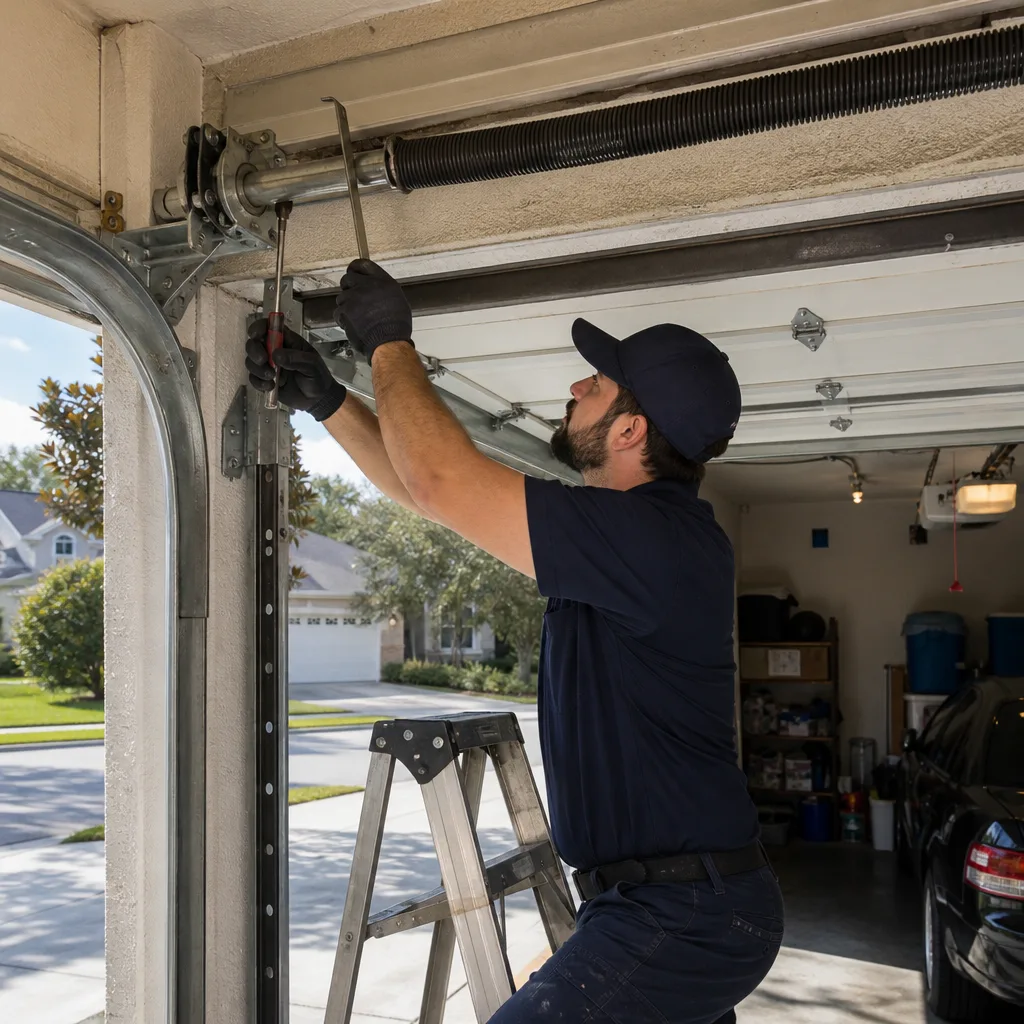 After
When to Call a Professional
Call a professional if you hear a loud bang and the door won’t move. Call if the door hangs unevenly, if it’s heavier than it was, if the cables look frayed, or if the opener runs without moving the door. Don’t call a general handyman who “does garage doors too.” Orlando’s climate demands a technician who knows Clopay from Wayne Dalton from LiftMaster, and who can diagnose by brand-specific logic rather than trial and error. Carriage Garage Door Repair offers free estimates in Orlando. Call (855) 596-4175 to schedule a visit. We’ll tell you whether repair or replacement makes more sense, and we’ll quote a fixed price before any work begins.
Frequently Asked Questions
Most garage door repairs in Orlando cost between $125 and $450 depending on the component, with spring replacement (the most common repair) typically running $180 to $340 including labor. The exact price is quoted and agreed before any work starts. Call (855) 596-4175 for an exact quote, estimates are free.
Yes. We carry parts for the eight brands we service, including LiftMaster, Chamberlain, Genie, Clopay, Amarr, Wayne Dalton, Craftsman, and Raynor, so most repairs are completed on the first visit. For genuine emergencies like a spring failure that traps a car inside, we prioritize same-day service.
Orlando’s daily heat cycles cause thermal expansion that adds fatigue beyond what a spring’s cycle rating accounts for, and our high humidity accelerates the corrosion that weakens spring steel. A spring that would last seven years in a cool, dry climate often fails in three to four here. This is a predictable environmental pattern, not a brand defect.
No. Torsion springs hold hundreds of pounds of torque, and the winding bars used to install them can deliver catastrophic injury if they slip. This is the one repair where the risk to life and limb is highest, and even experienced technicians treat spring work with respect. Call a professional.
No. We quote a fixed price based on the diagnosis, and that’s the price you pay. If we find additional issues during the repair that you didn’t authorize, we stop and discuss them with you before proceeding. The quote you agree to upfront is binding.
If the panels are structurally sound and the tracks and hardware are intact, repair makes sense. If the bottom panels are rusted through from Orlando humidity, if the door is storm-damaged, or if the investment in repairs would exceed half the cost of a new door, replacement becomes the better financial decision. We’ll give you a straight answer either way.
The Bottom Line
In Orlando, garage doors age faster than they should. The springs, cables, hinges, and opener electronics all contend with a climate that accelerates every known failure mode. The smartest strategy is prevention: twice-yearly maintenance tuned to our two seasons, immediate attention to unusual noises, and a clear-eyed understanding of which repairs you can handle and which ones demand a professional. Explore more guides & resources to stay ahead of common failures. When a professional is needed, brand-specific knowledge separates a fast, accurate fix from a series of return visits. We work on the brands in your neighborhood, and we quote a price that doesn’t change once we see the door.
Written by the team at Carriage Garage Door Repair, serving Orlando since 2016.