Last updated October 30, 2026
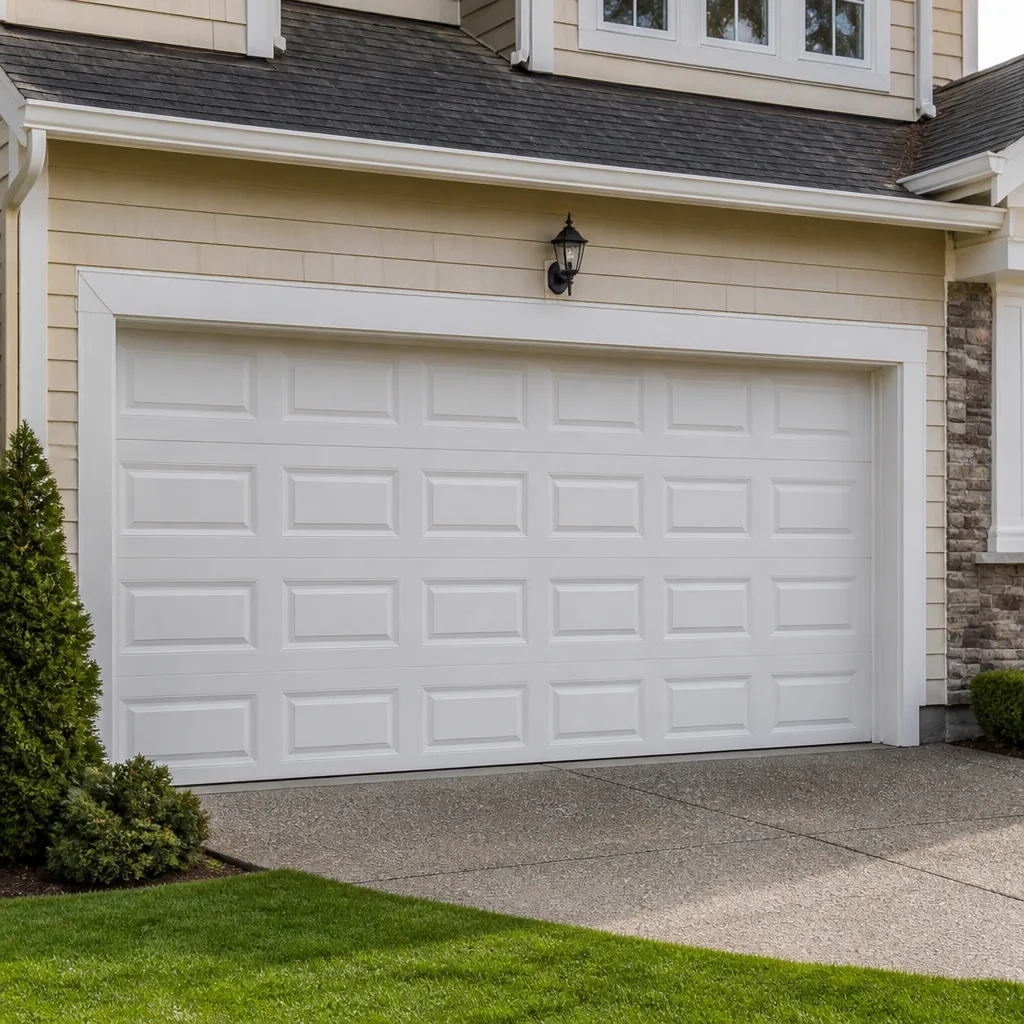 Raised-panel steel
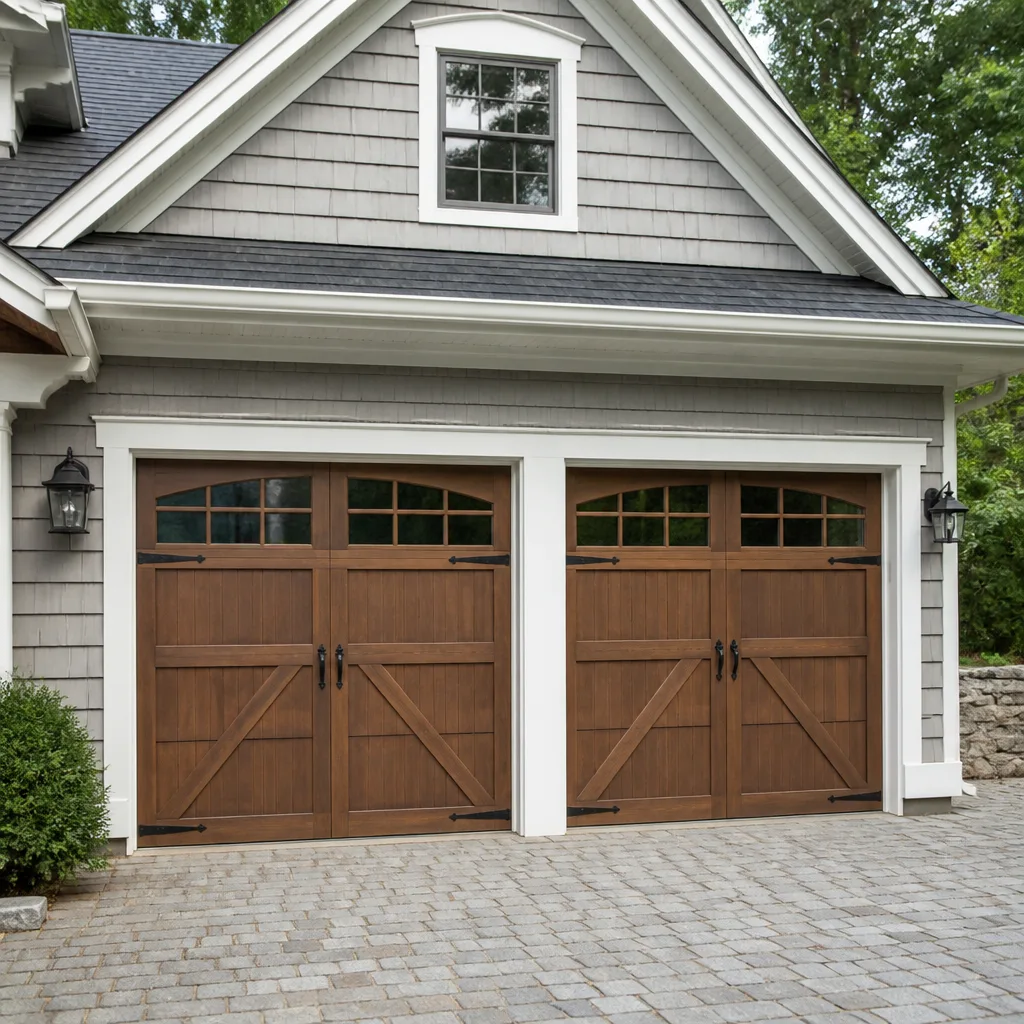 Carriage house
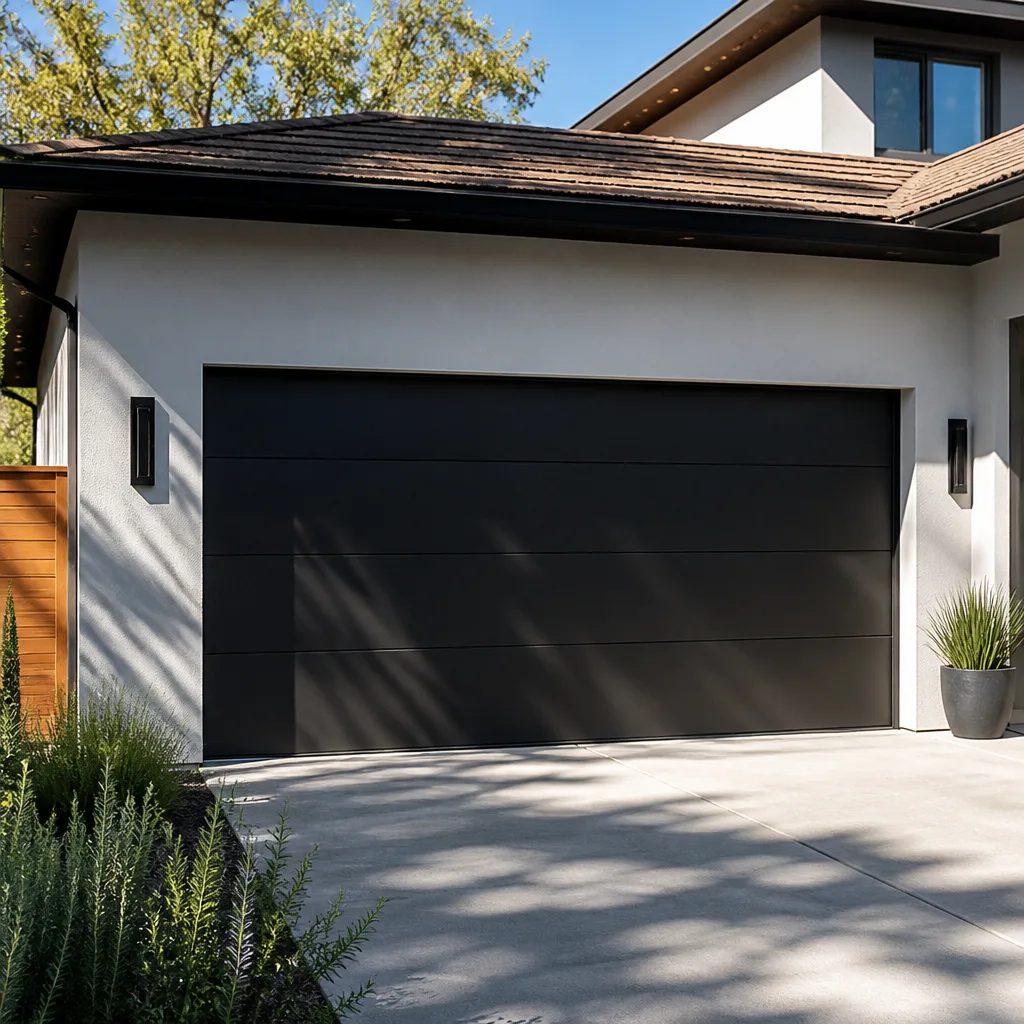 Modern flush
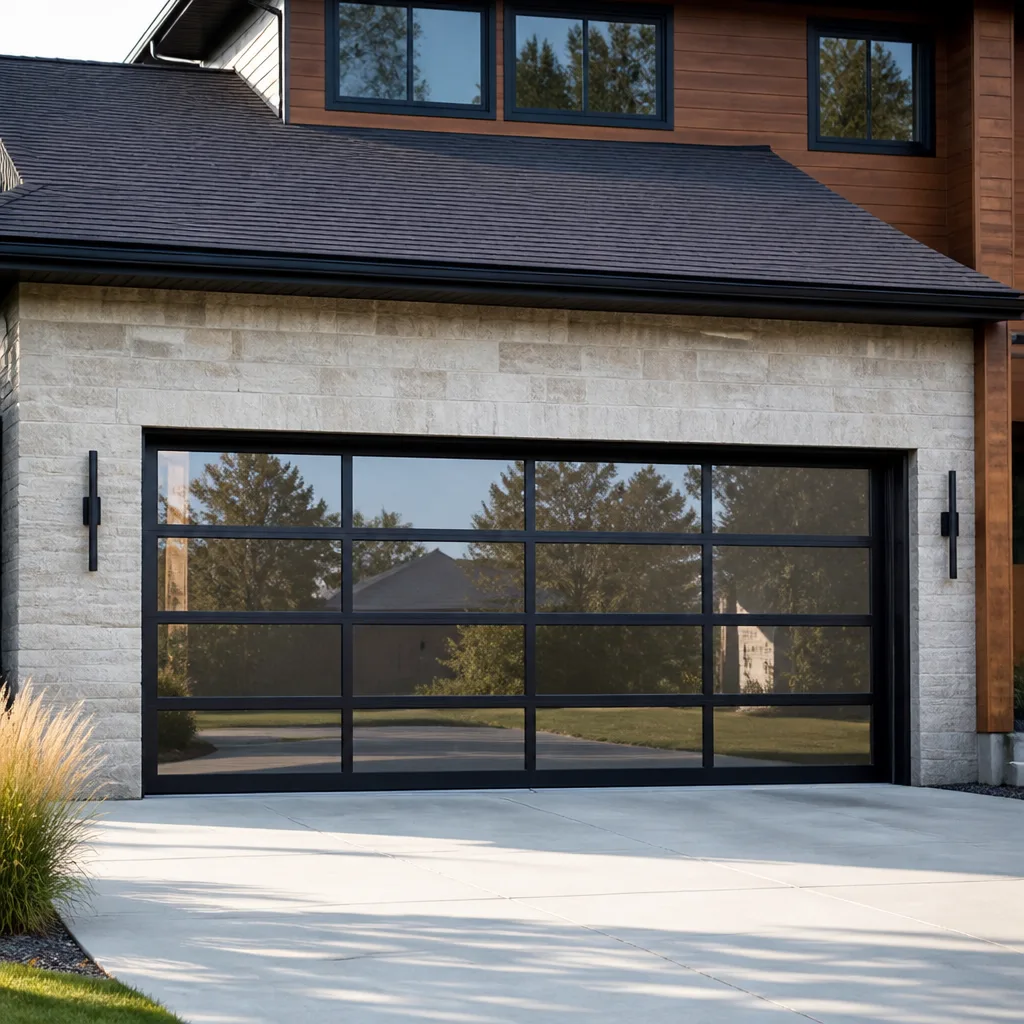 Full-view glass
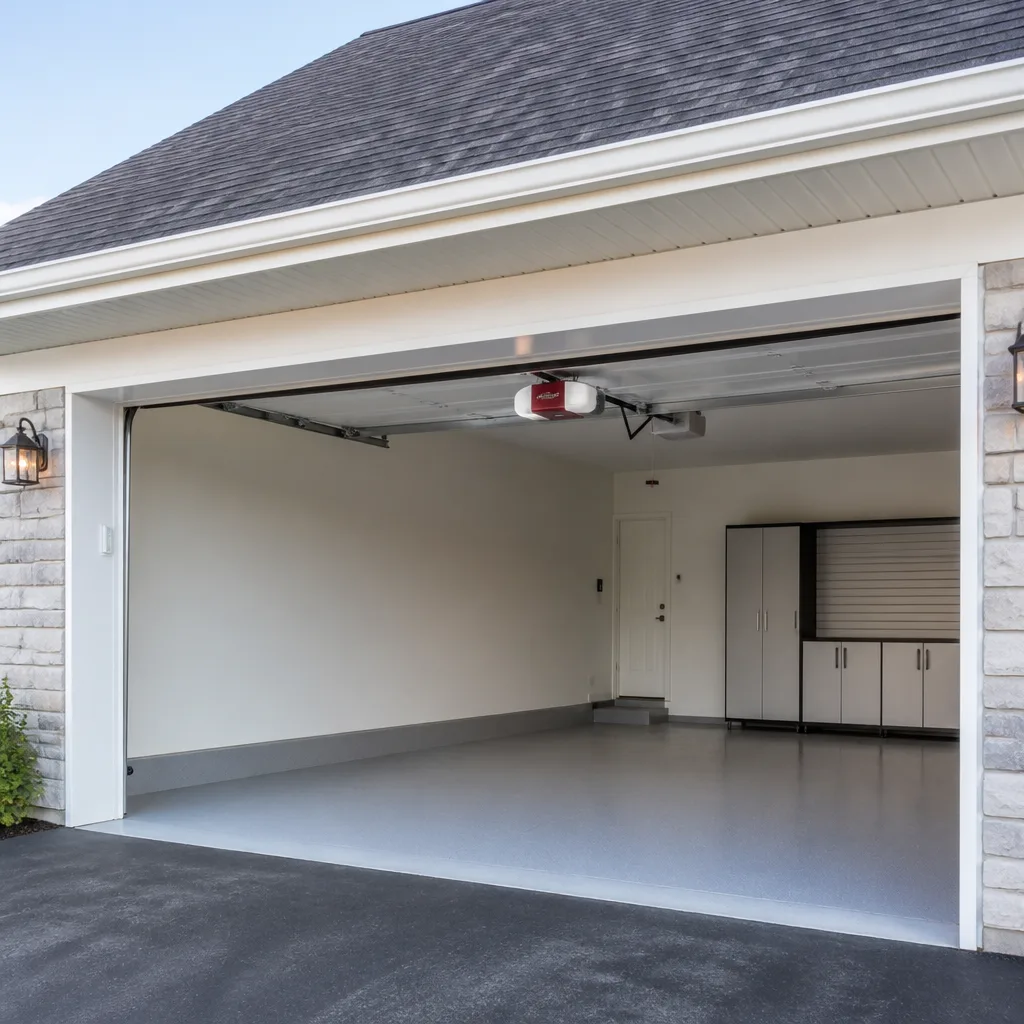 LiftMaster openers
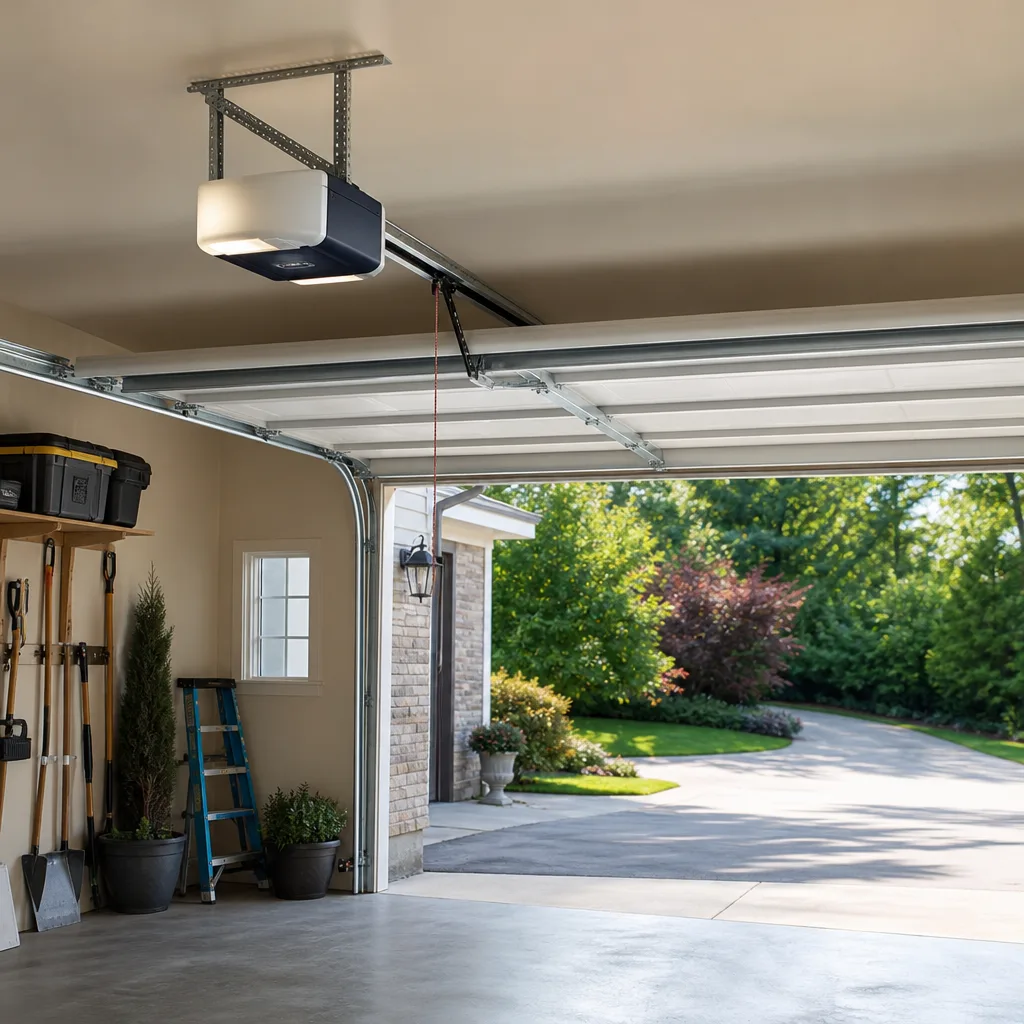 Chamberlain openers
Full 25-point door and opener safety check with every visit - springs, cables, rollers, tracks, and your LiftMaster or Chamberlain opener included
You get a price before we start. It does not change when the truck arrives.
Get your free estimateGarage Door Warning Signs: A Orlando Homeowner’s Reference Guide
Most garage doors don’t fail suddenly. They fail slowly, over weeks or months, sending signals that get ignored or misattributed. A door that shudders on the way up isn’t having a “door problem.” It’s almost certainly a roller or track issue, and treating it as anything else means paying for a repair that doesn’t fix the real problem. This guide maps specific symptoms to their actual causes so Orlando homeowners can diagnose accurately, decide when to act, and avoid a cascade of expensive failures. For more guides & resources, see our blog. We’ve seen every warning sign the Florida climate can produce, and we’ll walk you through each one.
Styles & brands we work with
Quick Answer
Most garage door warning signs fall into five categories: unusual noises, uneven movement, slow response, visible wear on parts, and erratic opener behavior. Each symptom points to a specific component – not the door as a whole – and the difference matters. A grinding sound means worn rollers or bearings. A jerking motion usually means a track or spring issue. A door that starts and stops unpredictably signals opener circuit board problems. Knowing which is which determines whether you need a $40 tune-up or a $400 component replacement, and whether you need it today or can schedule it next week.
Table of Contents
- What Your Garage Door Noise Is Telling You
- Movement Patterns That Signal Specific Failures
- Spring Warning Signs: Gradual Fatigue vs. Impending Break
- Opener Warning Signs: Circuit Board Failure vs. Sensor Misalignment
- How Orlando Humidity Creates False Symptoms
- Which Signs Need Same-Day Attention vs. Monitored Observation
- Common Mistakes to Avoid
- When to Call a Professional
- Frequently Asked Questions
- The Bottom Line
What Your Garage Door Noise Is Telling You
Noise is the most common warning sign, and the one most often ignored until it becomes a repair. But not all garage door noise means the same thing. In fact, the specific character of the sound – whether it grinds, squeals, rattles, or pops – points to a completely different component.
Here’s the diagnostic map we use on every service call in Orlando:
- Grinding or metallic scraping: This almost always means worn rollers or bearings. The metal-on-metal contact happens when the roller’s internal bearing has failed, and the wheel is no longer spinning. Left alone, this carves grooves into your track, turning a $15 roller replacement into a $200 track replacement.
- Squealing or high-pitched whine: This typically comes from the opener’s drive mechanism – either a belt that’s lost proper tension or a chain that needs lubrication. On LiftMaster and Chamberlain units especially, a persistent whine during operation indicates the drive gear inside the motor housing is wearing down. On Genie models, it’s often the belt tensioner.
- Rattling or vibration noise: A door that rattles while moving usually has loose hardware: hinge bolts, track brackets, or the opener’s mounting bolts. The rattling itself isn’t the problem; it’s what it signals. Loose bolts create play in the system, which accelerates wear on every moving part.
- Popping or snapping sounds: When a torsion spring releases tension suddenly during operation, you’ll hear a sharp pop. This can happen when the spring is losing its temper gradually, and it’s a warning sign that a full break is coming. We’ll get into springs in detail below.
- Thumping or banging at the top or bottom of travel: This is usually a stop-limit issue on your opener. The door is traveling too far in one direction because the limit switch isn’t set correctly. On Wayne Dalton and Amarr doors with heavier panels, this can also indicate worn bottom-seal brackets.
The location of the noise matters as much as the noise itself. A grinding from the roller track is different from a grinding from the opener head. A rattle near the top panel is different from a rattle at floor level. When you call for service, note where the sound comes from, because that detail narrows the diagnosis before a technician even arrives.
Movement Patterns That Signal Specific Failures
How your door moves – or doesn’t move – tells you more than any noise ever will. Movement patterns are the purest diagnostic signal, and you can observe them from a safe distance without touching anything.
Here are the five movement patterns that indicate specific mechanical failures:
- Shaking or shuddering as the door travels up: Despite what it looks like, this is not a “door problem.” It’s a roller or track problem. The door shakes because a roller has stopped rolling and is instead dragging along the track, or because the track itself has a bend or kink in it. In Orlando, we also see this when rust has developed on steel rollers due to humidity, creating flat spots that cause a rhythmic thump-shake-thump as the door travels.
- Door rises unevenly (one side higher than the other): This points to either a cable that has slipped or frayed, or a spring that has lost tension on one side. Watch the bottom corners of the door as it lifts. If one corner lags behind the other by more than an inch, you have a cable or spring issue that needs attention before the imbalance bends the track.
- Door starts, stops, then starts again (hesitation): This pattern is almost always an opener logic-board issue or a failing capacitor, not a door issue. The opener’s motor is losing power mid-cycle, and the circuit board is resetting or re-engaging. On Chamberlain openers, we see this with failing capacitors on units over 8 years old. On Craftsman units from the 2000s, it’s often the logic board itself.
- Door reverses immediately after touching the floor: This is a force-sensitivity setting issue on the opener, not a door problem. The opener’s force sensor is reading the floor contact as an obstruction and reversing. It’s a simple calibration fix on most LiftMaster, Genie, and Chamberlain units, but if you have a Wayne Dalton door with a thick bottom seal, the added thickness can trigger false reversals and requires a different calibration approach.
- Door drifts down slowly after being opened all the way: This is a spring that’s losing tension. The springs counterbalance the door’s weight, and when they weaken, the door becomes too heavy for the opener to hold in place. It drifts. This is the single most important movement pattern to address early, because it’s the precursor to a spring breaking completely.
Each of these movement patterns is distinct, observable, and mappable to a specific component. The fix for a shaking door is not the same as the fix for a drifting door, and paying for the wrong one won’t solve either.
Spring Warning Signs: Gradual Fatigue vs. Impending Break
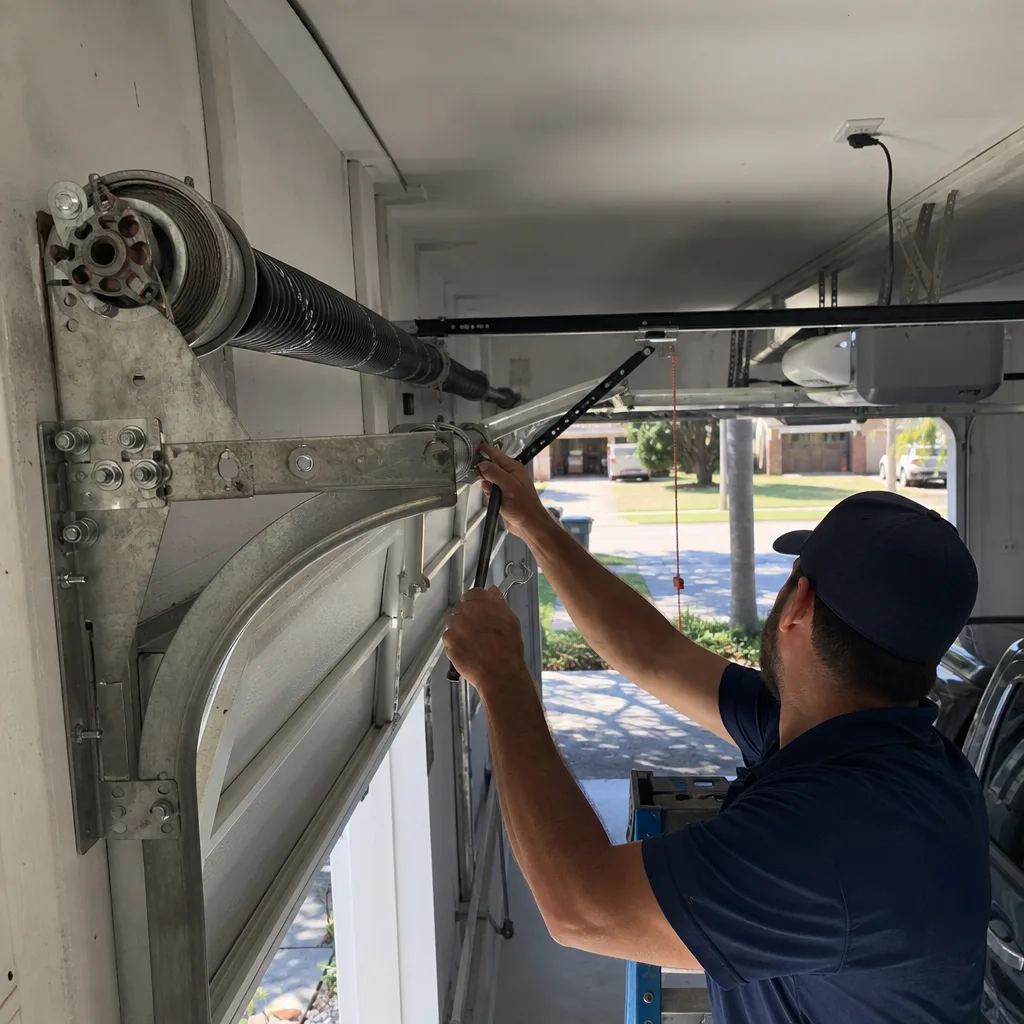
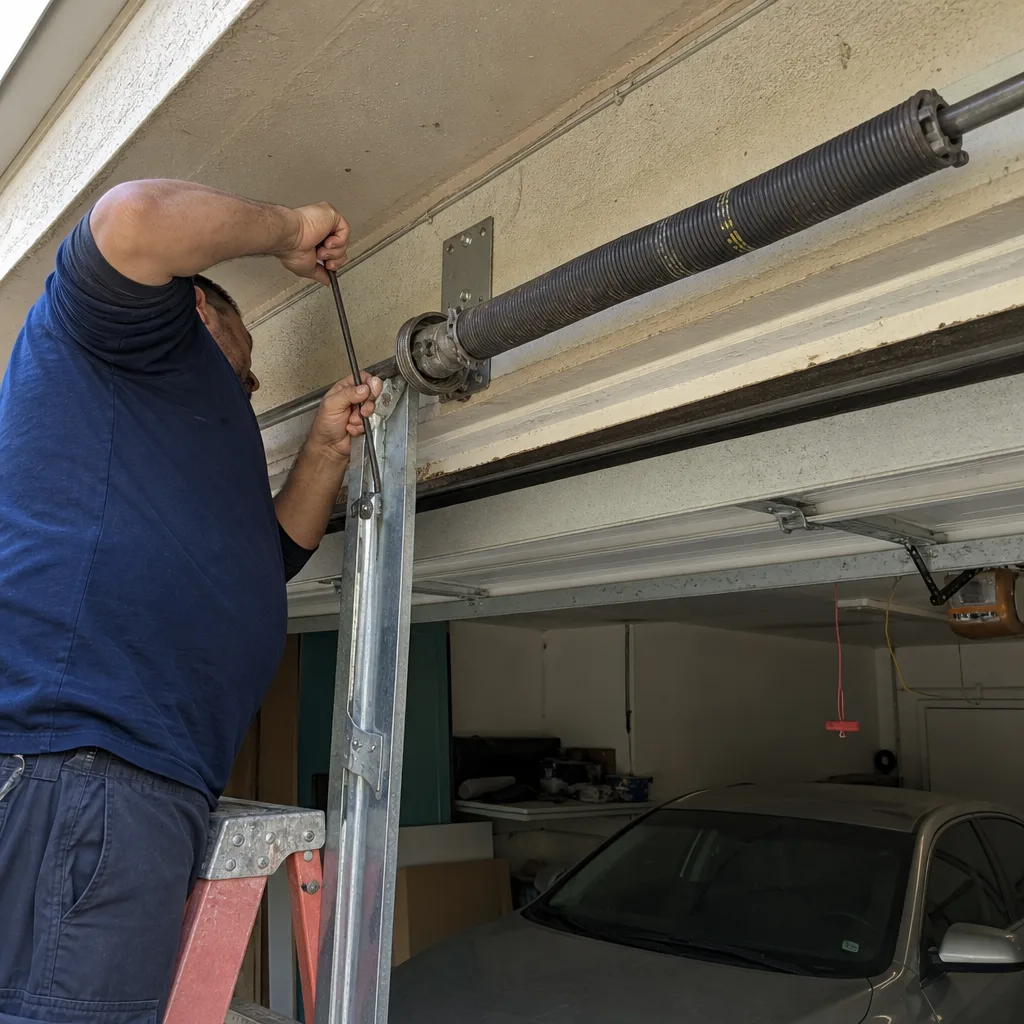
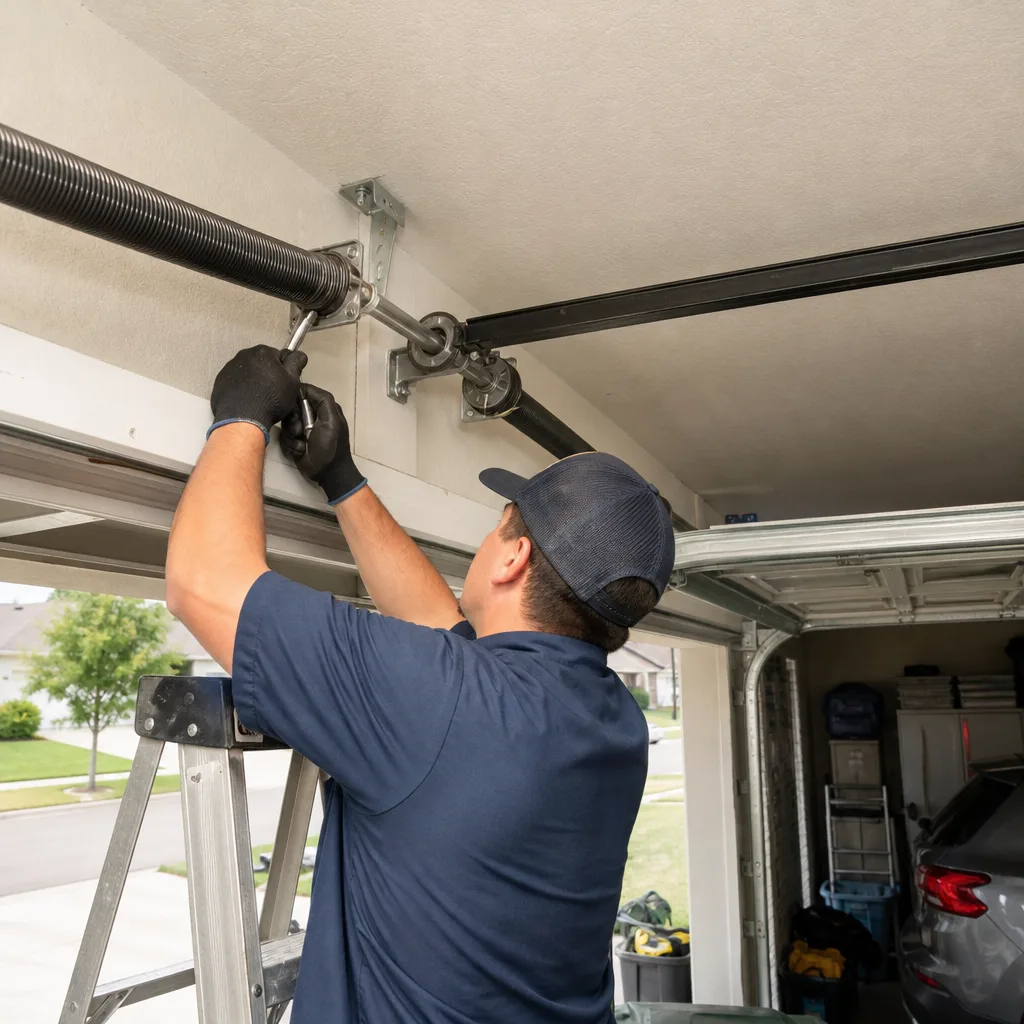
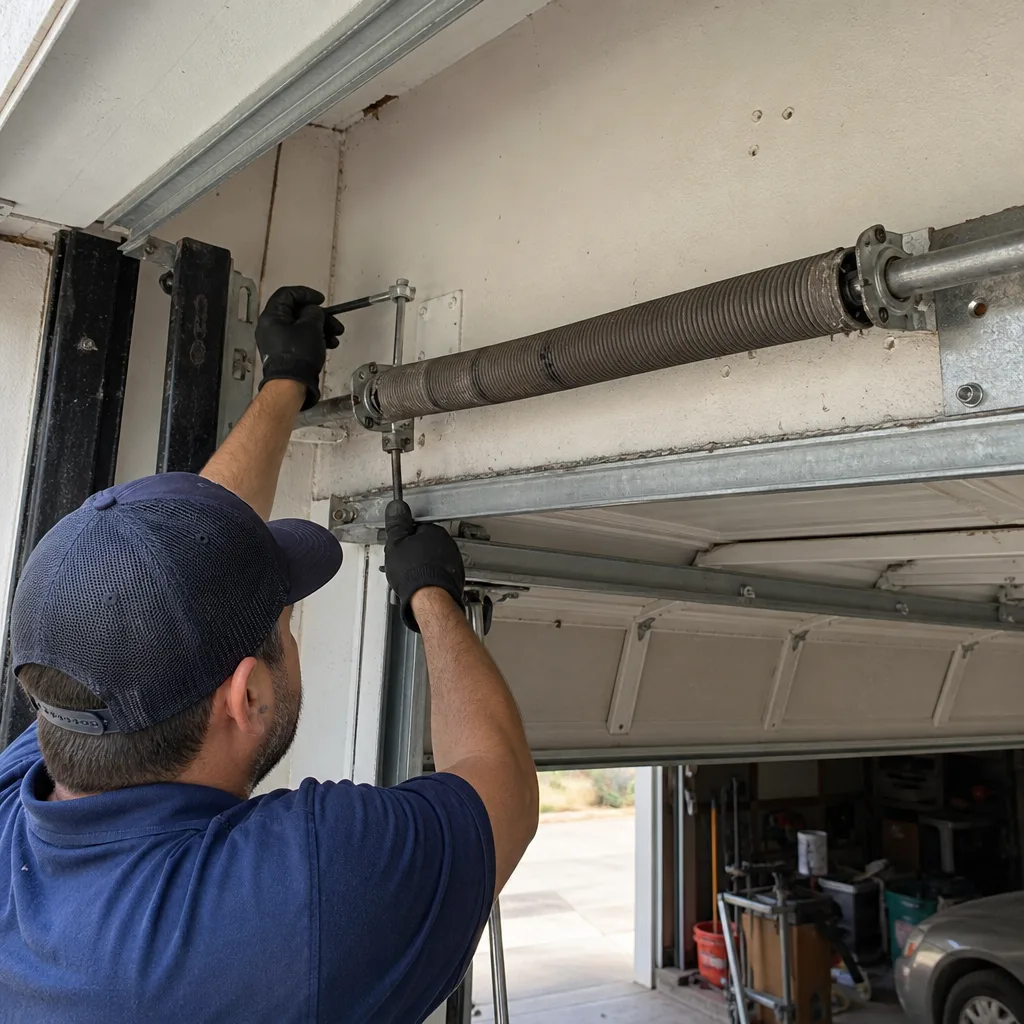
Torsion springs are the most dangerous component on your garage door system, and they’re also the most misunderstood. They hold anywhere from 150 to 250 pounds of torque under compression, and they don’t last forever. The average spring is rated for 10,000 cycles, which translates to roughly 7-10 years of normal use for the typical Orlando family.
Here’s what’s critical to understand: a spring that’s losing tension gradually and a spring that’s about to break look nearly identical to the untrained eye. Both cause the door to feel heavy when you disconnect the opener and lift manually. Both cause the door to drift downward when open. Both make the opener work harder, producing a strained, labored sound.
The difference is detectable, but it requires expertise to see:
Gradual Fatigue (Normal Wear)
- The spring’s coil gaps remain even and consistent, but the spring looks slightly longer than it should.
- The door drifts slowly – taking 10-15 seconds to lose a foot of height when manually released.
- Opening the door manually takes moderate effort, but you can still lift it.
- No visible cracks, gaps, or separations in the coil windings.
- Typically occurs between years 7-10 of a spring’s life.
Impending Break (Immediate Danger)
- The spring shows a visible gap between two or three coils – a clear sign the steel has begun to separate.
- The door drops quickly when released – losing a foot of height in 1-3 seconds.
- You notice a pop or snap sound during normal operation, as individual coils release tension.
- There’s a slight rust-colored dust around the spring, which is micro-fragments of steel fatiguing off.
- Manual opening is nearly impossible, even with two hands.
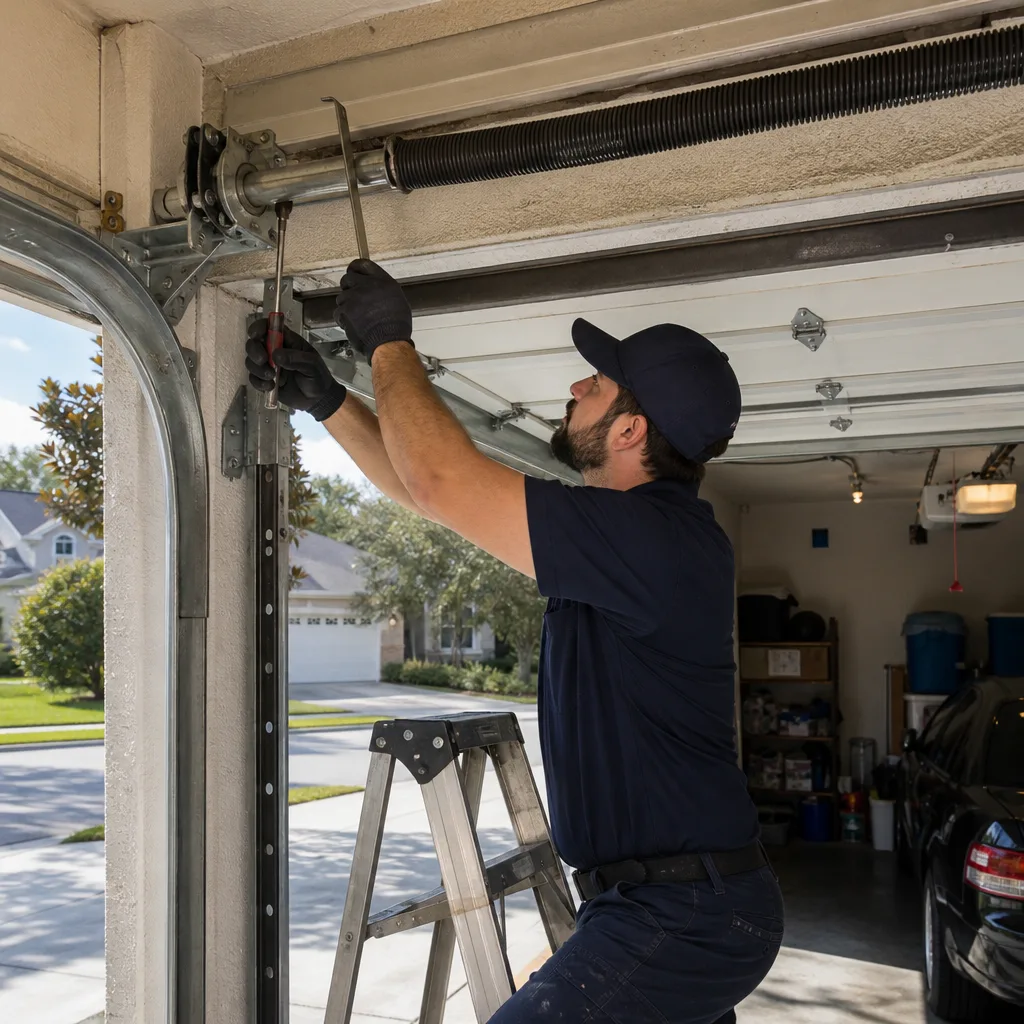
One more Orlando-specific factor: our humidity accelerates spring rust. Steel torsion springs in coastal or high-humidity areas like Florida fail faster than their cycle ratings suggest because surface rust gives fatigue cracks a place to start. We regularly see springs in Orlando fail at 7-8 years that identical springs in drier climates last 10-12 years. If your springs are over 7 years old and you notice any of the warning signs above, call for an inspection. The spring itself is not a do-it-yourself project – the tension stored in a torsion spring can cause severe injury if released improperly, and professional tools and training are required. Our Garage Door Repair in Orlando covers spring inspection and replacement for all major brands, including Clopay, Amarr, and Wayne Dalton door systems.
Opener Warning Signs: Circuit Board Failure vs. Sensor Misalignment
Opener problems are the most frequently misdiagnosed issues we see. Homeowners replace sensors when the real issue is a circuit board, or they replace the entire opener when the only problem is a sensor that needs 30 seconds of realignment. The difference matters because one costs $60 and the other costs $400 or more.
The diagnostic question is simple: does the opener behave predictably or unpredictably?
Predictable Problems = Mechanical or Sensor Issues
When an opener fails the same way every time, you’re dealing with a physical or optical problem:
- Door reverses every single time it touches the floor: Force sensitivity misadjusted. The opener thinks the floor is an obstruction. Fixable with a screwdriver adjustment, and not a replacement issue.
- Safety beam blocked error (lights flash) every time: Sensor misalignment or a loose wire to the sensor. Sensors get knocked out of alignment by passing cars, garage clutter, or even strong drafts. The fix is mechanical, not electronic.
- Remote works from 10 feet but not from 20: Battery issue or antenna interference. Not a circuit board problem. Chamberlain and LiftMaster units have a small antenna wire, and if it’s been bent or blocked by metal shelving, range drops.
- Opener runs but door doesn’t move (with a grinding sound): The drive gear inside the motor unit has stripped. Common on Genie and older Craftsman units. The motor itself is fine; the gear is the $30 part that wears out.
Unpredictable Problems = Circuit Board or Logic Board Issues
When an opener behaves differently each time it operates, the electronics are failing:
- Door starts, stops, then starts again at random points: This is the classic failing-capacitor signature on Chamberlain units. The capacitor provides the startup surge, and as it degrades, the motor stalls and re-engages unpredictably.
- Opener works fine with the wall button but intermittently fails with the remote: The receiver circuit on the logic board is failing. On LiftMaster units, this is repairable by replacing the logic board, not the whole opener.
- Opener reverses for no reason at random points in the cycle: The force sensor circuit is sending false obstruction signals. This is circuit board, not mechanical.
- Opener loses its travel limits and needs reprogramming every few weeks: The memory chip on the logic board is failing. Once it loses settings repeatedly, the board needs replacement.
Opener repair is a distinct specialty, not an afterthought. The electronics in modern openers – particularly Genie’s Intellicode and LiftMaster’s Security+ 2.0 systems – have brand-specific logic that a generalist can easily misread. Our Garage Door Opener Repair in Orlando service handles opener diagnosis from the motor to the circuit board, so you’re not paying for guesses.
How Orlando Humidity Creates False Symptoms
Orlando’s climate does something to garage doors that homeowners in Phoenix or Dallas never experience: humidity creates symptoms that look like mechanical failures but aren’t. We call these “false positives,” and they’re a waste of time and money if you don’t know what you’re looking at.
Here are the three most common humidity-driven false symptoms we see in Orlando:
- Swollen wood sections that mimic track misalignment: If you have a wood garage door – and many Orlando homes in neighborhoods like College Park and Delaney Park do – the humid summer months cause the wood panels to absorb moisture and expand. The expansion can make the door bind against the track or the frame, producing exactly the same grinding and sticking symptoms as a track that’s out of alignment. The difference? This problem goes away in the winter dry season and returns in the summer. A track issue stays all year round. We’ve seen technicians replace tracks on wood doors that only needed the panel edges to dry out or be shaved slightly.
- Rust accumulation that mimics roller failure: High humidity accelerates rust on steel rollers, especially on doors installed before stainless or nylon rollers became standard. Rust creates flat spots on the roller surface, which produces a rhythmic thumping as the door travels. This sounds mechanical, and it is – but the root cause is rust, not a failed bearing. The fix is replacing the rollers with nylon or stainless steel options, which we recommend for every Orlando garage door regardless of issue.
- Condensation on safety sensors that mimics sensor failure: When warm, humid Florida air hits a cool garage floor, condensation forms. If that condensation collects on your opener’s safety sensor lenses, the beam gets diffused and the opener behaves as if the beam is broken – refusing to close or reversing randomly. The false “sensor failure” is just water on the lens. A quick wipe with a dry cloth solves it, but we get calls for this every summer, and many homeowners have already replaced sensors that were fine.
Knowing which symptoms are climate-driven and which are mechanical saves money. See our Seasonal Garage Door Care for Orlando: Year-Round Homeowner’s Guide for a month-by-month maintenance plan. It’s also why we always ask Orlando customers when the problem started and whether it’s worse in certain seasons. Timing tells us a lot.
Which Signs Need Same-Day Attention vs. Monitored Observation
Not every warning sign is an emergency. Knowing which ones demand immediate action and which can be watched for a few weeks prevents both panic and neglect.
Call for Same-Day Professional Attention
- A snapped or visibly separated spring: The door becomes a dead weight, and the opener can burn out trying to lift it. This is dangerous and urgent.
- The door drops fast when manually released: This indicates catastrophic spring fatigue or a cable failure, and the door could fall uncontrolled.
- A door that’s visibly crooked in the track or binding hard: Continued operation bends tracks and damages panels, turning a $100 repair into a $800 replacement.
- Smoke, burning smell, or sparks visible at the opener unit: Electrical failure is occurring. Disconnect power and call immediately.
- Opener opens the door but won’t close it at all: If this has come on suddenly and the sensors are clean, the logic board may be failing, and a board failure left alone can short out the entire unit.
Can Be Monitored (Schedule Within 2-4 Weeks)
- Mild roller noise: As long as the door still moves smoothly and there’s no visible track damage, you have a small window.
- Slight drift when open (less than 3 inches): Spring fatigue is starting, but you have time to schedule an inspection before it becomes critical.
- Remote range decreasing gradually: Almost always a battery or antenna issue, not urgent.
- Door runs a bit slow: If it’s been getting slower over months, the opener’s drive is wearing, but it’s not an emergency yet.
The rule of thumb: if the door’s movement has changed in a way that feels unsafe or unpredictable, call today. If it’s just noisy but behaves consistently, you can schedule within the month.
Common Mistakes to Avoid
- Lubricating a grinding noise: Lubricant masks the symptom temporarily but doesn’t fix a failed roller bearing or a worn drive gear. You’re buying three weeks of quiet before the real problem gets worse and costs more.
- Replacing the opener when the problem is a spring: We see this at least twice a month in Orlando. A door that won’t open or drifts down has a spring issue, but the homeowner assumes the opener is weak and replaces it. A $300 spring job becomes a $600 opener replacement, and the door still doesn’t work right.
- Manually forcing a door that’s binding: If the door is stuck or binding, forcing it with the opener or by hand bends the track and strips the drive gear. This is how a $50 roller replacement becomes a $300 track job.
- Ignoring the pop sounds from a spring: A popping torsion spring is actively releasing tension. It’s not a one-time noise; it’s the last warning before the spring snaps. Address it before it becomes a falling door.
- Adjusting the force settings to “fix” a heavy door: If your door is heavy because the spring is worn, cranking up the opener’s force setting makes the opener work against gravity without counterbalance. It burns out the motor. Fix the spring, not the setting.
- Replacing sensors before checking for condensation: In Orlando’s humidity, a large percentage of “sensor failures” are just moisture on the lens. Clean the lens first – it takes 30 seconds and costs nothing.
When to Call a Professional
If you’ve identified a spring issue, a track alignment problem, or erratic opener behavior from this guide, they all share one thing: professional diagnosis and repair. Springs carry lethal stored tension. Tracks require precision realignment to avoid panel damage. Opener circuit boards require electronic testing that a multimeter and a YouTube video can’t substitute for. The right technician, trained on your specific brand, will diagnose by brand-specific logic rather than trial and error. Not sure which brand to choose? Read our Choosing the Right Garage Door Brand: A Buyer’s Guide for Orlando. Carriage Garage Door Repair works across LiftMaster, Chamberlain, Genie, Clopay, Amarr, Wayne Dalton, Craftsman, and Raynor – so the diagnosis is right the first time. We offer free estimates in Orlando. Call (855) 596-4175.
Frequently Asked Questions
The most common warning signs we see in Orlando are grinding noises that indicate worn rollers, doors that drift down when open due to failing springs, and openers that reverse unpredictably due to circuit board issues. Orlando’s humidity adds two climate-specific signs: swollen wood panels that mimic track misalignment and condensation on safety sensors that mimics sensor failure. Call (855) 596-4175 for a free inspection if you notice any of these.
Garage door spring replacement in Orlando typically ranges from $250 to $450 for a standard torsion spring pair, depending on the door’s weight and spring specifications. Heavy wood doors, custom doors, and high-cycle springs run higher. The price is quoted and agreed before any work starts. Call (855) 596-4175 for an exact quote – estimates are free.
Yes, for spring replacements, roller replacements, track realignment, and most opener repairs, we keep common parts on the truck and can complete same-day service in most cases. If your door is stuck open or closed, call (855) 596-4175 and we’ll give you an honest arrival window.
A shaking door is almost always a roller or track issue, not a problem with the door itself. A roller has stopped spinning and is dragging along the track, or the track has developed a bend. In Orlando, rust on steel rollers from humidity is a frequent culprit. Call (855) 596-4175 and describe where the shake is coming from – that detail helps us diagnose before we arrive.
No. We quote the price before any work begins, and we don’t change it unless you approve additional work that wasn’t in the original scope. If we find something unexpected, we’ll show you what we found and get your approval before proceeding. Call (855) 596-4175 and we’ll explain exactly what you’re paying for.
Most openers last 10-15 years, but Orlando’s heat and humidity can shorten that to 8-12 years because electrical components degrade faster in high temperatures. Chamberlain and LiftMaster units tend to last longest, while older Craftsman models from the 2000s often need circuit board replacement around the 10-year mark. If your opener is over 10 and showing unpredictable behavior, it may be time to compare repair against Garage Door Installation in Orlando options. Call (855) 596-4175 for an assessment.
The Bottom Line
Garage door warning signs are a language, and learning to read it saves you from expensive misdiagnoses. Noise type points to the component. Movement patterns point to the failure. The difference between gradual spring fatigue and impending spring break is visible if you know what to look for. Orlando’s humidity creates false symptoms that get fixed differently than mechanical ones. And when you do call a professional, the right technician – one trained on your brand, not guessing – is the difference between a $100 repair and a $500 unnecessary replacement. For help finding one, read How to Hire a Garage Door Contractor in Orlando: A Step-by-Step Guide. We work on your brand, from opener motor to panel and track, and we’ll tell you whether repair or replacement makes more sense. Carriage Garage Door Repair serves Orlando homeowners with brand-specific diagnosis, free estimates, and pricing agreed before any work starts. Call (855) 596-4175 to schedule your inspection.
Written by the team at Carriage Garage Door Repair, serving Orlando since 2016.
See the difference
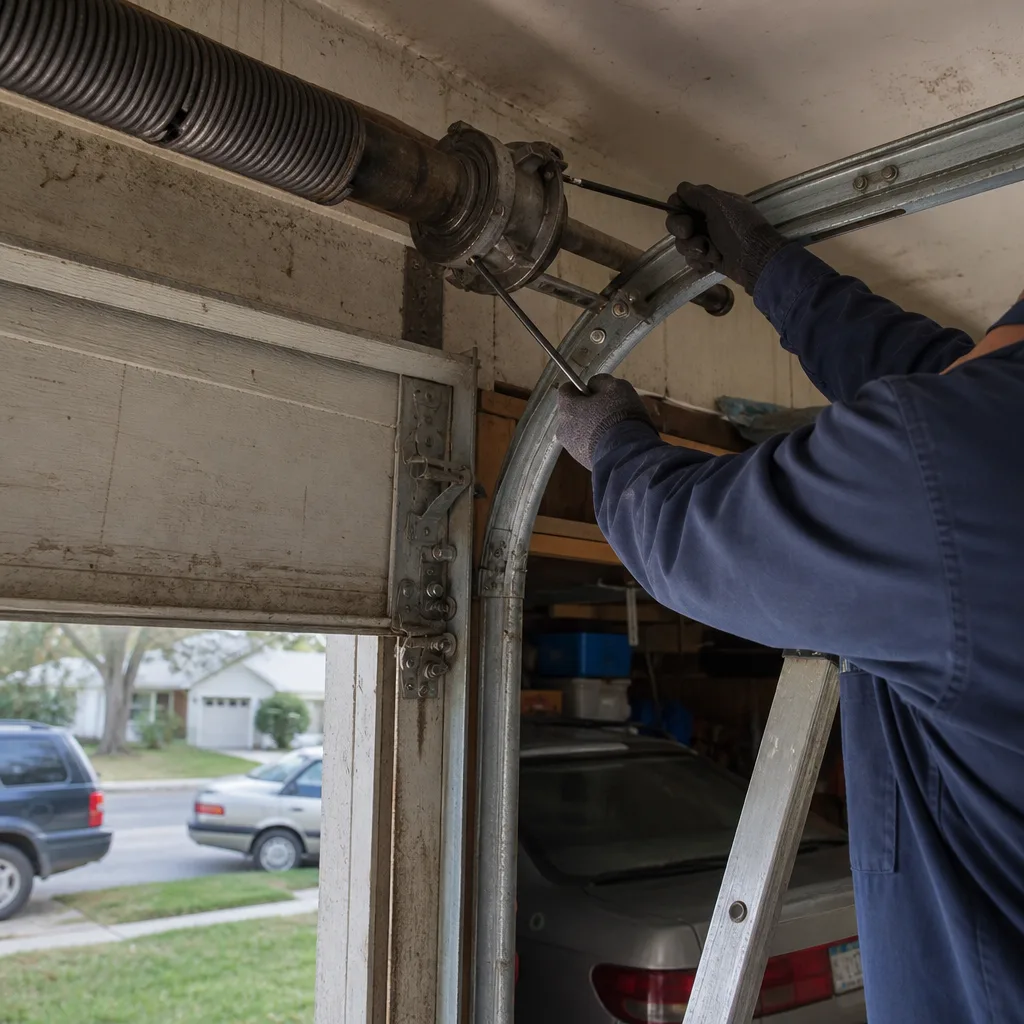 Before
 After
 Before
 After
 Before
 After