Last updated October 30, 2026
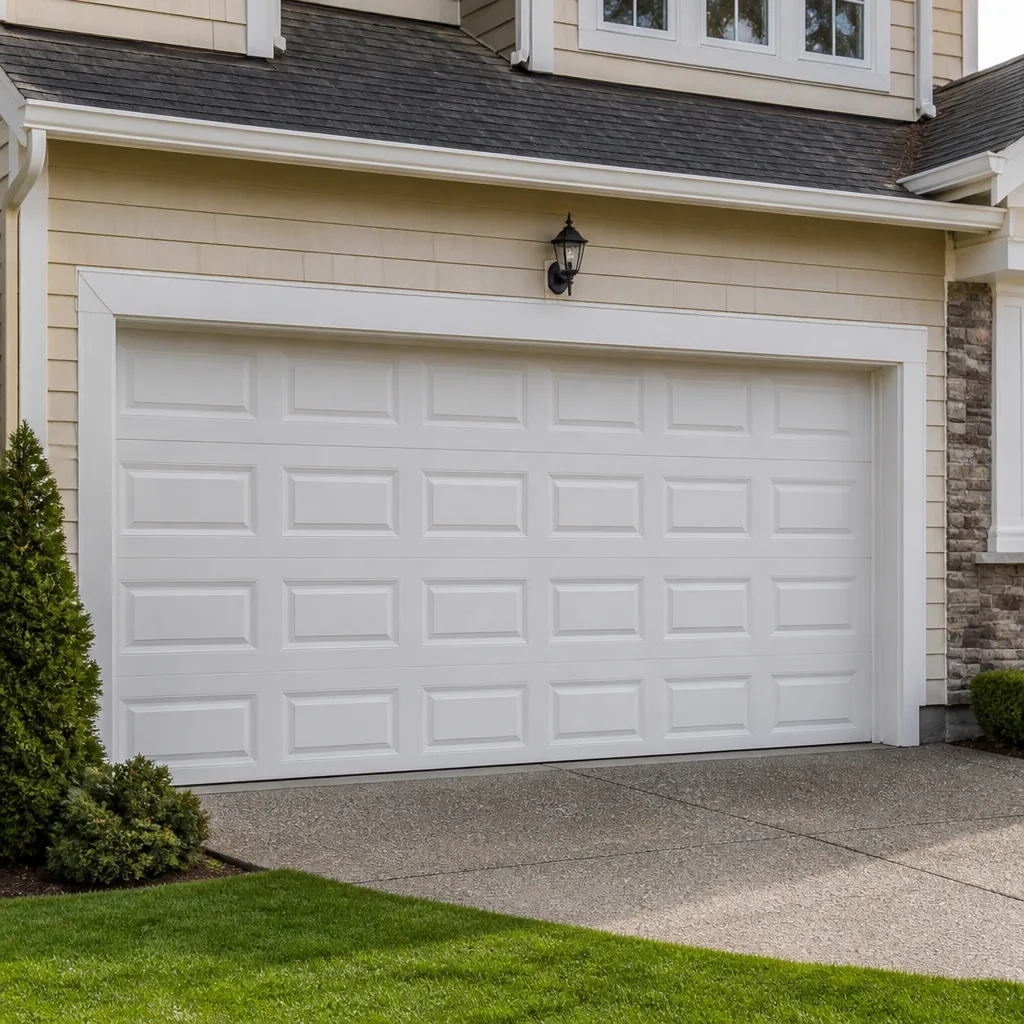 Raised-panel steel
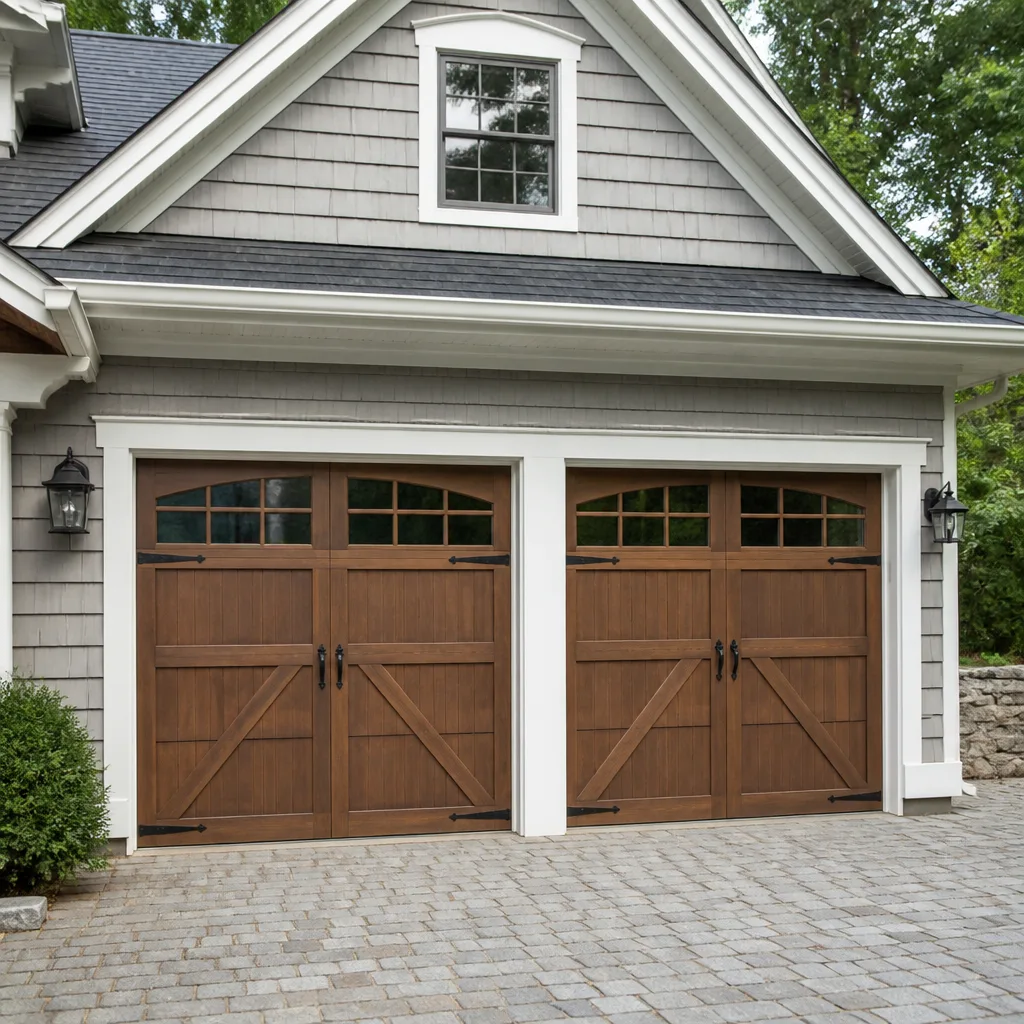 Carriage house
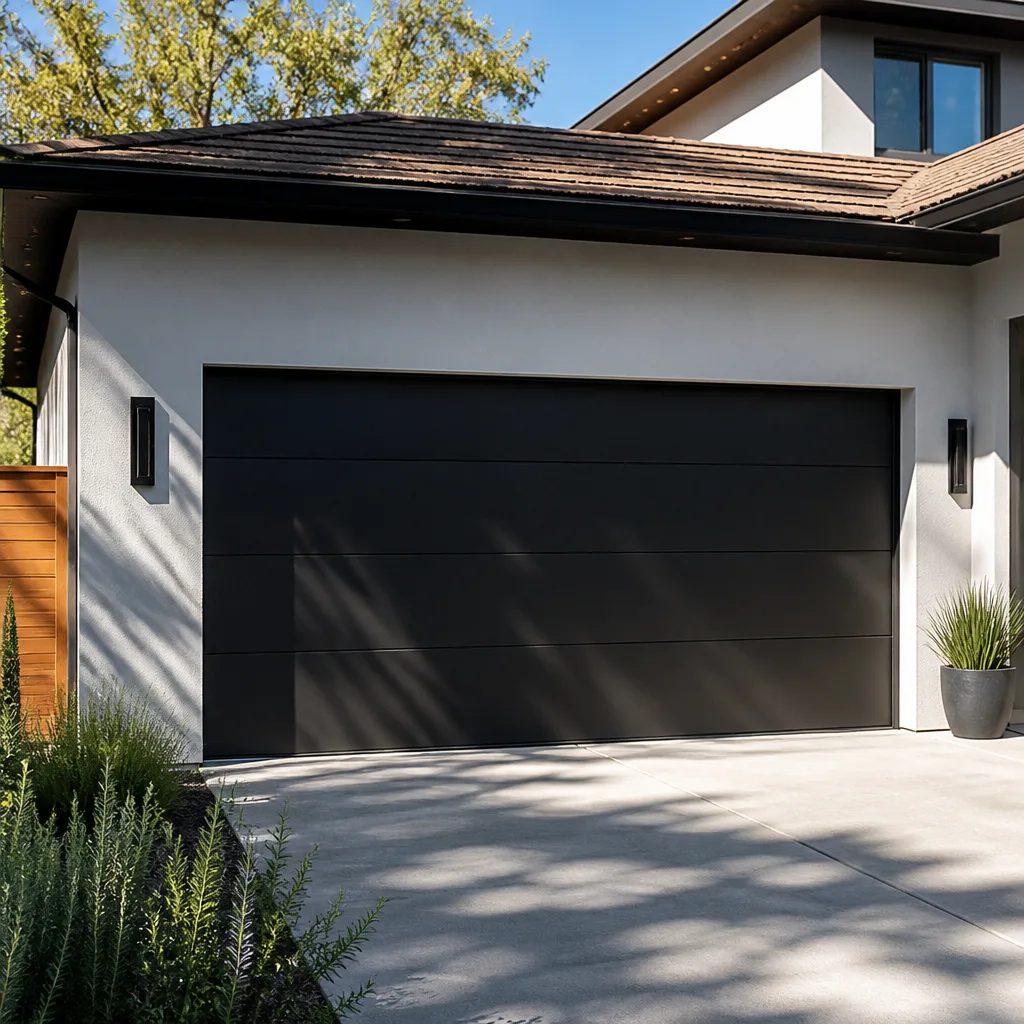 Modern flush
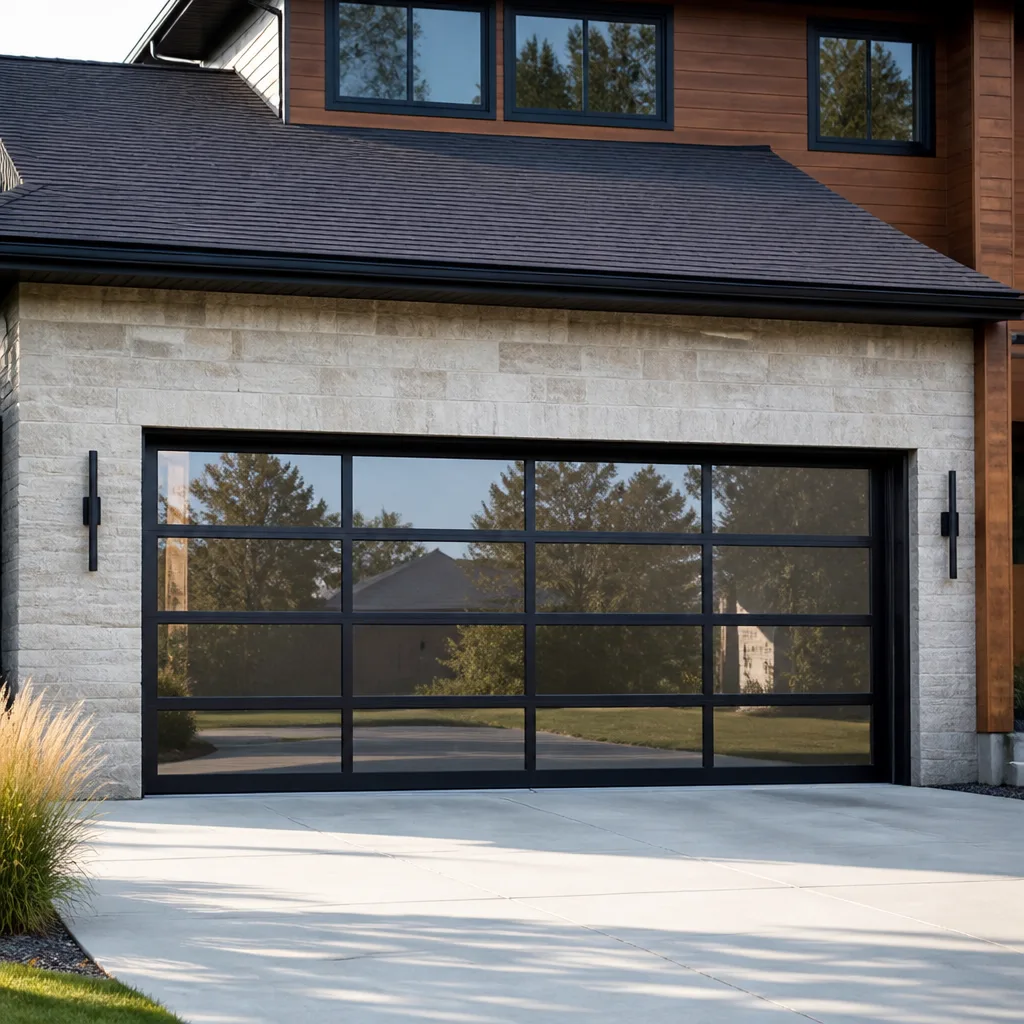 Full-view glass
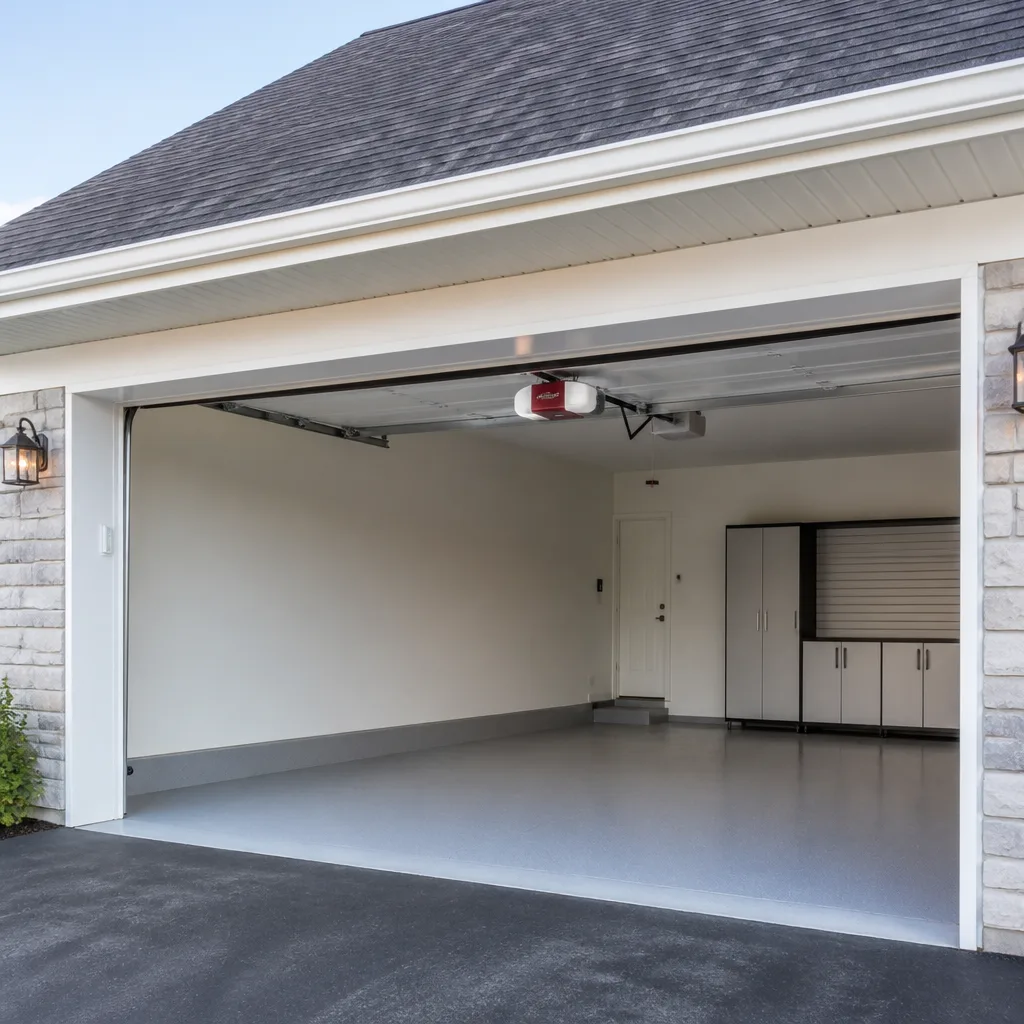 LiftMaster openers
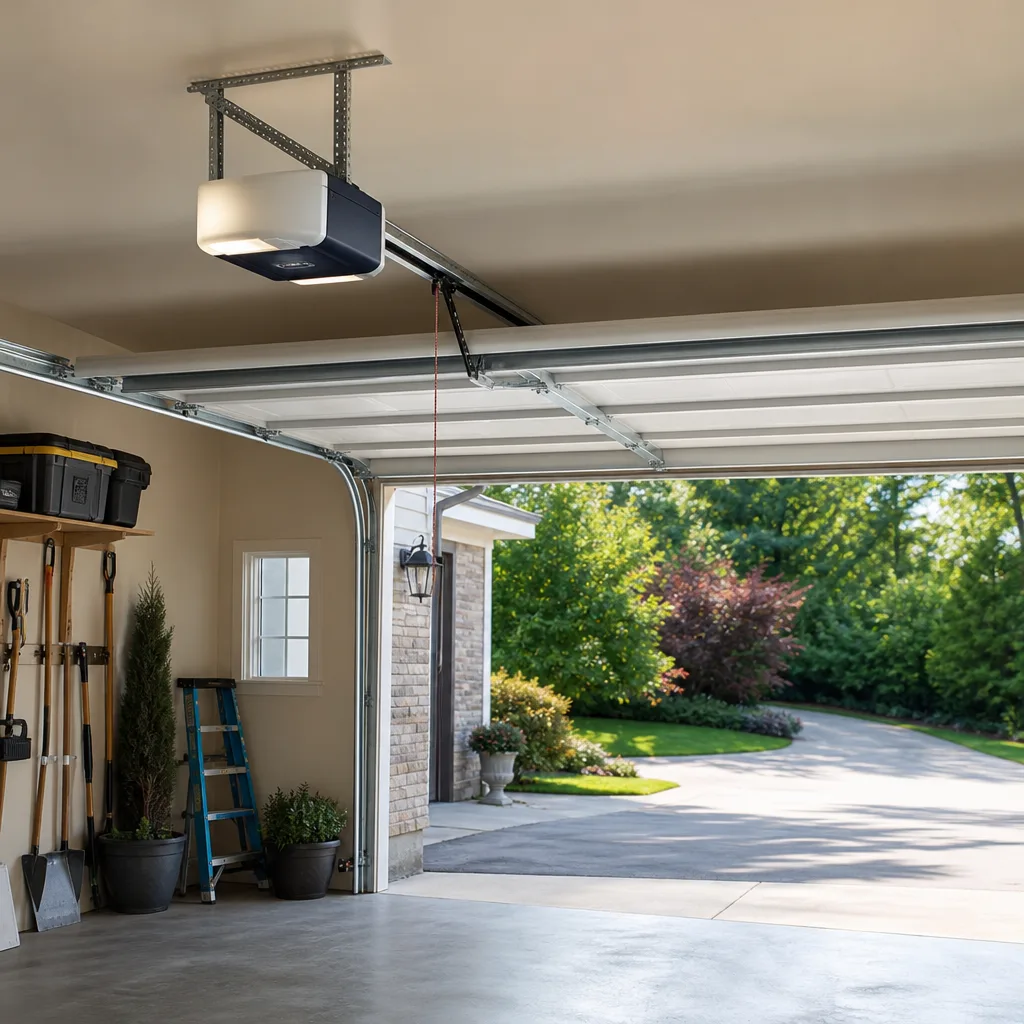 Chamberlain openers
Full 25-point door and opener safety check with every visit - springs, cables, rollers, tracks, and your LiftMaster or Chamberlain opener included
You get a price before we start. It does not change when the truck arrives.
Get your free estimateChoosing the Right Garage Door Brand: A Buyer’s Guide for Orlando
Here’s something no showroom will tell you: the garage door brand that tops national durability rankings uses a factory paint finish that fails measurably faster under Central Florida sun than two of its lower-ranked competitors. We’ve replaced enough chalky, faded Orlando doors to know the pattern. UV index, humidity, and salt air don’t care about marketing copy. This guide tells you what actually holds up in Orlando, which brands earn their reputation, and how to match a door to your home without falling for warranty fine print that excludes Florida’s climate. For a deeper dive, see The Complete Guide to Garage Door in Orlando.
Styles & brands we work with
Quick Answer
The best garage door brand in Orlando depends more on your home’s exposure to sun and moisture than on any national ranking. For most Orlando homeowners, we recommend Clopay and Amarr for corrosion resistance and paint durability in Central Florida’s climate, paired with a LiftMaster or Chamberlain opener for the most reliable electronics and local parts availability. Need help deciding on installation? Read DIY vs Professional Garage Door: The Orlando Homeowner’s Decision Guide. Raynor and Wayne Dalton make solid mid-range options, but their standard finishes need more maintenance in Florida UV.
Table of Contents
- The Florida Problem: Why National Rankings Mislead Orlando Homeowners
- Brand-by-Brand: How Eight Major Manufacturers Hold Up in Orlando
- Steel Gauge, Insulation, and Wind Load: The Specs That Actually Matter
- Florida-Specific and Coastal-Rated Configurations: What Changes
- Opener and Door Brand Compatibility: Why It Matters More Than You Think
- Warranty Reality: What’s Covered, What’s Excluded, and What Florida Does to Both
- Local Dealer Networks in Orlando: How Parts Availability Affects Repair Speed
- What You’ll Actually Pay in Orlando: Price Ranges by Brand and Tier
- Common Mistakes to Avoid
- When to Call a Professional
- Frequently Asked Questions
- The Bottom Line
The Florida Problem: Why National Rankings Mislead Orlando Homeowners
National garage door rankings are built on data from Ohio, Michigan, and Pennsylvania. Cold-weather performance, snow load, and freeze-thaw cycles dominate the testing. Orlando sits in a different reality: 230-plus days of sunshine a year, summer humidity that rarely dips below 70 percent, and afternoon thunderstorms that dump an inch of rain in twenty minutes. Add the salt air that drifts inland from the Atlantic and you have a corrosion and UV environment that no Midwestern test lab accounts for.
We see the results up close. Steel doors with factory finishes rated for fifteen years start showing rust blooms at the panel seams in eight or nine. Powder coating that looks pristine in a climate-controlled showroom chalks and fades when it faces west on an Orlando home with no shade. Polystyrene insulation absorbs moisture through micro-cracks in the panel seal, then the door gets heavy and the opener strains. The brand that wins national awards isn’t always the brand that survives Colonialtown, Conway, or Dr. Phillips.
What actually separates brands in Orlando comes down to three things: the quality of their base steel treatment before paint, the type and thickness of the finish they apply, and whether their standard hardware is galvanized or just zinc-plated. Those aren’t glamorous differences, but they’re the ones that determine whether your door looks good in year twelve or needs a replacement in year nine.
Brand-by-Brand: How Eight Major Manufacturers Hold Up in Orlando
Carriage Garage Door Repair maintains certified working knowledge of eight leading brands: Clopay, Amarr, Wayne Dalton, Raynor, LiftMaster, Chamberlain, Genie, and Craftsman. We diagnose by brand-specific logic, not trial and error, and that experience shapes how we rank these doors for Orlando conditions.
Clopay: The UV Survivor
Clopay uses a multi-stage pretreatment on its steel that includes a zinc-phosphate base coat before the finish layer. In practice, that means Clopay doors resist the kind of panel-edge rust that starts at the bottom corners where rainwater sits. Their higher-tier lines, like the Reserve and Canyon Ridge collections, hold finish color noticeably longer in direct Florida sun than doors at the same price point from other manufacturers. They also offer coastal-rated hardware packages that swap standard hinges and brackets for 304 stainless steel, which matters if you live within ten miles of the coast or in a neighborhood where irrigation overspray hits the door.
Amarr: The Coastal Contender
Amarr builds its reputation on insulation and quiet operation, but for Orlando the more relevant detail is their rust-through warranty on select lines. That’s a claim most competitors won’t make. Their Lincoln and Heritage lines use galvanized steel with a baked-on finish that handles humidity well. Amarr also publishes wind-load documentation clearly, which helps if your home sits in a higher wind zone near the Orlando Executive Airport corridor or open areas with little tree cover. The trade-off: their premium finishes come at a premium price, and some of their door designs lean traditional, which doesn’t suit every Orlando home.
Wayne Dalton: The Middle Ground with a Catch
Wayne Dalton’s Model 8000 and 9000 series are everywhere in Orlando, largely because they’re competitively priced and available through multiple local dealers. The doors themselves are solid, but the standard finish on their entry lines is thinner than Clopay or Amarr. That shows up as edge-rust and fading sooner, especially on doors with south or west exposure. If you go Wayne Dalton, we recommend stepping up to a factory-applied premium finish or budgeting for more frequent maintenance. Their TorqueMaster spring system also requires a specific tool for adjustment, which means not every repair company can service it properly on the first visit.
Raynor: The Steel-First Specialist
Raynor uses a heavier steel gauge in many of its standard doors than competitors put in their premium lines. That structural heft is a real advantage in Orlando, where daily thermal cycling expands and contracts panels at the seams. Heavier steel resists that fatigue better over a decade of ninety-degree afternoons followed by seventy-degree nights. The finish durability sits between Wayne Dalton and Clopay, and Raynor’s coastal hardware upgrade is worth the cost if salt air reaches your home. Availability of Raynor parts in Orlando is thinner than Clopay or Wayne Dalton, which can extend repair timelines if a specialized component fails.
LiftMaster and Chamberlain: The Opener Side of the Equation
Neither LiftMaster nor Chamberlain builds door panels, but their openers are what most Orlando homes pair with every door brand listed here. LiftMaster is the professional-line brand sold through dealers and installers, while Chamberlain is the consumer-facing line sold in big-box stores. Both share parent company Chamberlain Group engineering. The practical difference in Orlando: LiftMaster openers sold through professional channel carry a lifetime motor warranty and access to proprietary diagnostics tools, while Chamberlain units rely on consumer-level troubleshooting. For a door that opens and closes four to six times a day in Florida heat, that motor warranty difference matters.
Steel Gauge, Insulation, and Wind Load: The Specs That Actually Matter
Steel gauge is the least understood number in garage door marketing. Lower gauge numbers mean thicker steel. A 24-gauge door is thinner than a 26-gauge door is thinner than a 28-gauge door. Most Orlando homes have 24- or 25-gauge doors on the garage, which is fine for light to medium use. If your garage faces an open street with no shade, or if you use the garage as a workshop or gym, stepping up to a 26-gauge or Raynor’s heavier standard panel changes how the door holds its shape over time.
Insulation is where the marketing language gets thick. Polystyrene insulation is the rigid foam board you see in budget and mid-range doors. It insulates, but it’s not sealed to the panel, so in Orlando’s humidity it becomes a moisture trap. Polyurethane insulation is injected between the steel skins and bonds to both surfaces. That means no internal condensation, better sound deadening, and roughly twice the R-value per inch. If your garage shares a wall with a bedroom or you run a dehumidifier in the space, polyurethane is the upgrade we recommend first.
Wind-load ratings matter more than most Orlando homeowners think. Florida building code requires wind-load resistance for garage doors, and homes built after 2002 in most of Orange County need doors rated for specific design pressures. A door without proper wind-load reinforcement can bow inward during a severe thunderstorm, pop the track, and leave your garage open to the weather. Always confirm that the door you’re quoted carries the wind-load rating for your specific zip code, not just a generic Florida rating.
Florida-Specific and Coastal-Rated Configurations: What Changes
Every major brand sells a standard nationwide product line and a set of Florida-specific or coastal-rated configurations. The differences are invisible in a showroom and critical over a ten-year ownership period.
Coastal-rated hardware packages replace standard galvanized steel hinges, brackets, and fasteners with 304 stainless steel. Standard galvanized hardware carries a zinc coating that corrodes away slowly, then the base steel rusts. In Orlando’s inland neighborhoods, that process takes years. Within five to ten miles of the coast, or in any home where irrigation water regularly hits the door, the timeline shortens dramatically. If your door shows rust streaks from the hinge points or at the bottom bracket, the hardware was never meant for Florida exposure.
Finish upgrades are the second Florida-specific change. Clopay and Amarr both offer premium factory finishes that use fade-resistant pigments and a thicker clear coat. These finishes carry longer warranty coverage against fading and chalking. A door without that upgrade, sitting on a south-facing Orlando garage with no shade, will show visible fading in three to five years. The color shift is gradual and most homeowners don’t notice until they see the panel behind a trim piece or compare photos from installation.
The third change is sealed panel construction. Entry-level doors use mechanical fasteners and seam seals that allow micro-movement between panels. Florida’s humidity finds those micro-gaps. Higher-tier doors, and all coastal configurations, use sealed seams that prevent water entry at the joint. This matters most during Orlando’s summer pattern of afternoon downpours followed by intense sun: water that penetrates a seam gets baked into the panel interior, accelerating internal corrosion.
Opener and Door Brand Compatibility: Why It Matters More Than You Think
Most homeowners assume any opener works with any door. That’s true at a basic level, but it’s the wrong question. The right question is whether your opener brand communicates with your door brand’s design specs when something needs adjustment or service.
Here’s the practical reality we deal with in Orlando every week: a homeowner has a Wayne Dalton door with a TorqueMaster spring system and a Chamberlain opener. The spring breaks. A generalist technician arrives without the TorqueMaster-specific tool, substitutes a generic spring from the truck, and now the opener is lifting a door it wasn’t balanced to lift. The motor overheats, the logic board fails, and a $180 spring replacement becomes a $600 opener replacement six months later.
Brand-specific compatibility also affects warranty coverage. Some door manufacturers void portions of their warranty if aftermarket parts or mismatched openers are installed. Others require that opener travel limits and force settings match door weight specifications exactly. A technician trained on your specific opener brand, whether it’s LiftMaster, Chamberlain, Genie, or Craftsman, knows the factory settings and diagnostic patterns. That’s the difference between a repair that lasts and one that returns in three months.
We also see homes where the door and opener were installed by different companies at different times, and neither knew the other’s work. The door’s weight, spring balance, and opener force settings end up mismatched. The opener strain shows up as premature gear wear or logic board failure. When we install a new door in Orlando, we check the existing opener’s compatibility and settings against the new door’s weight before anything gets mounted. It’s part of the craftsmanship standard, not an add-on.
Warranty Reality: What’s Covered, What’s Excluded, and What Florida Does to Both
Garage door warranties are the most misunderstood piece of paper in the industry. Here’s what actually happens when you file a claim on a fading or rusting door in Orlando.
Most manufacturers split their warranty into sections covering the steel skin, the finish, the hardware, and the springs. The steel skin warranty often runs ten to fifteen years and covers through-metal rust, meaning rust that penetrates from inside and creates a hole. Surface rust, which is what Florida humidity and salt air produce, is usually excluded. The finish warranty runs one to five years and covers fading beyond a manufacturer-defined threshold. That threshold is generous enough that most Orlando fading falls short of a claim.
Spring warranties are the shortest, typically one to three years, and they’re pro-rated in ways that make claims uneconomical. Hardware warranties vary by brand: Clopay and Amarr cover their coastal hardware longer than entry-level hardware, which tells you what they expect from each.
The detail that gets Orlando homeowners is the transferability clause. Some brands void the warranty if the door was installed by an unauthorized dealer or if it was moved from the original home. Others require documented annual maintenance to keep coverage active. Nobody tells you this at the point of sale. When we replace a door, we walk through the warranty registration process and document the installation specifics: opener settings, spring cycle rating, wind-load confirmation. If a claim ever comes up, that documentation makes the difference between a covered repair and a denied one.
If you’re shopping for a new door, read the warranty before you read the brochure. Look for finish warranties that extend at least five years if the door will face west or south. Look for rust-through coverage on the steel beyond five years. And confirm whether the warranty is tied to the original installer or the original home. These three checks tell you more about door quality than any “best of” list.
Local Dealer Networks in Orlando: How Parts Availability Affects Repair Speed
A garage door brand is only as good as its nearest parts inventory. Orlando has a competitive dealer landscape, but not every brand enjoys the same presence. Clopay and Wayne Dalton have the broadest local distribution, which means panels, hinges, and springs are usually available same-day or next-day from Orlando warehouses. Amarr distribution is solid but can thin out for specialized coastal hardware. Raynor parts are the most limited, with many specialty components requiring direct shipment from the manufacturer, adding days to a repair timeline.
This matters most when you need a specific panel replaced rather than an entire door. Every manufacturer changes panel designs, colors, and stamping dies over time. A door bought in 2016 from a brand that has since redesigned its lineup may not have a matching panel available at all. In Central Florida’s sun, a mismatched panel is obvious from the street within eighteen months as the old and new finishes age differently.
When we quote a repair on a branded door, we check parts availability in Orlando before we quote the job. If a Clopay panel is in stock at the distributor, the repair proceeds quickly. If a Raynor panel requires a factory order, we tell the homeowner that timeline upfront. It’s a detail most quotes ignore, and it’s the difference between a garage door fixed next week and one fixed next month.
For new installations, we recommend choosing a brand with strong Orlando parts presence even if another brand wins on paper. A slightly better warranty is worthless if the part you need isn’t in Central Florida when the door fails. Ask any dealer which brands they can source same-day from local warehouses. The honest answer will narrow your list quickly.
What You’ll Actually Pay in Orlando: Price Ranges by Brand and Tier
Garage door pricing in Orlando runs the full range from budget to luxury, and brand positioning doesn’t always match price the way you’d expect. Here’s what we see in the current Orlando market for a standard 16-foot by 7-foot double door, installed:
| Brand | Tier | Typical Installed Range | What You Get |
|---|---|---|---|
| Wayne Dalton | Entry (Model 8000 series) | $850 – $1,200 | 25-gauge steel, polystyrene insulation, basic finish, standard hardware |
| Clopay | Mid (Classic, Gallery) | $1,200 – $2,200 | 24-25 gauge steel, polyurethane option, premium finish options, better hardware |
| Amarr | Mid (Lincoln, Heritage) | $1,300 – $2,400 | 24-25 gauge steel, solid insulation, rust-through warranty option, quiet operation |
| Raynor | Mid to Upper (Advantage, Aspen) | $1,400 – $2,600 | Heavier steel, structural durability, limited local parts inventory |
| Clopay | Premium (Reserve, Canyon Ridge) | $2,800 – $5,000+ | Faux wood, custom colors, coastal hardware, longest finish warranty |
| Amarr | Premium (Classica, Vista) | $2,500 – $4,500 | Custom designs, highest insulation values, premium finish packages |
These ranges assume a standard replacement with existing track in acceptable condition. Track replacement, opener integration, and wind-load upgrades add cost. Luxury faux-wood doors from Clopay or Amarr can push past $6,000 for a double door on a custom Orlando home.
For openers, LiftMaster professional-line units in Orlando typically run $450 to $850 installed, depending on the drive type and features. Chamberlain consumer units are more common at $350 to $600. The motor warranty on the LiftMaster line, not the upfront cost, is the reason we recommend it for most Orlando homes. A garage door opener that cycles four or more times daily in Florida heat earns its warranty.
Every quote we provide in Orlando is a firm number agreed before any work starts. You’ll know the door price, the opener price if applicable, the labor, and any disposal or permit fees before we order anything. Nobody should be surprised by an invoice after installation.
Common Mistakes to Avoid
- Buying on national rankings alone. A door that wins durability awards in Ohio is not the same door in Orlando humidity. Check corrosion resistance and finish warranty for Florida conditions specifically, not just overall score.
- Skipping the wind-load check. Orange County building code requires wind-load ratings by zip code. A door without the proper rating can fail during a storm and leave your home exposed. Get it confirmed in writing.
- Choosing polystyrene insulation for a garage that gets any daily use. In Orlando’s humidity, polystyrene panels trap moisture and lose insulation value over time. Polyurethane is the upgrade that pays off in comfort and door longevity.
- Ignoring opener compatibility. A mismatched opener strains the motor and can void your door warranty. Match your opener brand to your door’s weight and spring specification, not to whichever was on sale at the hardware store.
- Accepting the standard warranty without reading Florida exclusions. Surface rust and gradual fading are the two most common Orlando complaints, and both are frequently excluded from standard warranties. Know what your finish warranty actually covers.
- Overspending on a premium brand when parts availability is thin. A beautiful Raynor door is fine until you need a specific panel and it’s a factory order from out of state. Consider Orlando parts availability as part of your buying decision.
When to Call a Professional
Some garage door decisions are worth a professional assessment before you spend money. Our Complete Garage Door Repair Guide for Orlando Homeowners covers what to expect. If your door is more than ten years old and you’re considering a repair, get a quote before assuming replacement is necessary. If you’re seeing rust at the panel seams or hinge points, a professional can tell you whether it’s surface rust or structural. If your opener is straining, vibrating, or reversing unexpectedly, that’s a spring or force-setting issue that’s dangerous to ignore. And if you’re buying a new door, especially in a wind-load zone, professional measurement and code confirmation prevent expensive mistakes.
We work on all eight major brands from Carriage Garage Door Repair home to your garage, and we’ll tell you honestly whether repair or replacement makes more sense. Garage Door Repair in Orlando starts with a proper diagnosis. Garage Door Opener Repair in Orlando is our specialty, not an afterthought. And if you’re ready for a new door, our Garage Door Installation in Orlando service includes the full craftsmanship standard from first measure to final adjustment. Carriage Garage Door Repair offers free estimates in Orlando. Call (855) 596-4175.
Frequently Asked Questions
Clopay and Amarr hold up best in Florida’s UV and humidity because they use multi-stage steel pretreatment, thicker finishes, and offer true coastal-rated hardware as factory options. If your Orlando home has south or west exposure with no shade, these two brands give you the best chance at a finish that still looks right in year ten.
Expect to pay between $850 and $1,200 for an entry-level double door installed, between $1,200 and $2,400 for a quality mid-range door from Clopay or Amarr, and $2,800 to $5,000 or more for premium faux-wood or custom designs. Call (855) 596-4175 for an exact quote on your specific door size and requirements, or explore more guides & resources on our blog.
Yes, especially within ten miles of the coast or if your door faces any source of standing moisture. Orlando’s humidity alone accelerates corrosion on standard galvanized hardware. Coastal-rated hardware uses stainless steel and is a worthwhile upgrade for most Central Florida homes, not just oceanfront properties.
Sometimes, but it depends on the brand, the age of the door, and whether the manufacturer still produces that panel design. In our experience, doors older than eight to ten years often have discontinued panel designs. A mismatched replacement panel on a sun-exposed Orlando door will be visibly different within a year or two as the old and new finishes age at different rates.
With proper installation and maintenance, a quality steel door in Orlando lasts fifteen to twenty years, but the finish may show visible wear in five to eight years depending on exposure. Entry-level doors with south or west sun exposure often need finish restoration or replacement in ten to twelve years. Spring life is separate and averages seven to ten years regardless of door quality.
Yes, Carriage Garage Door Repair maintains certified working knowledge of eight leading brands: Clopay, Amarr, Wayne Dalton, Raynor, LiftMaster, Chamberlain, Genie, and Craftsman. We diagnose by brand-specific logic and carry the parts experience to fix your door right the first time. Call (855) 596-4175 for a free estimate.
The Bottom Line
Choosing the right garage door brand in Orlando means looking past national rankings and asking what holds up in Florida’s specific conditions. Clopay and Amarr lead for corrosion resistance and finish durability, with the strongest coastal-rated configurations. Wayne Dalton offers value but needs finish upgrades for sun exposure. Raynor builds structurally strong doors with a quieter local parts network. Pair any of them with a LiftMaster or Chamberlain opener for the best electronics and warranty coverage. Garage Door Installation in Orlando done right includes wind-load confirmation, opener compatibility, and warranty documentation. Before you buy, check the finish warranty, the hardware spec, and the parts availability in Orlando. Those three details will tell you more than any brochure.
Written by the team at Carriage Garage Door Repair, serving Orlando since 2016.
See the difference
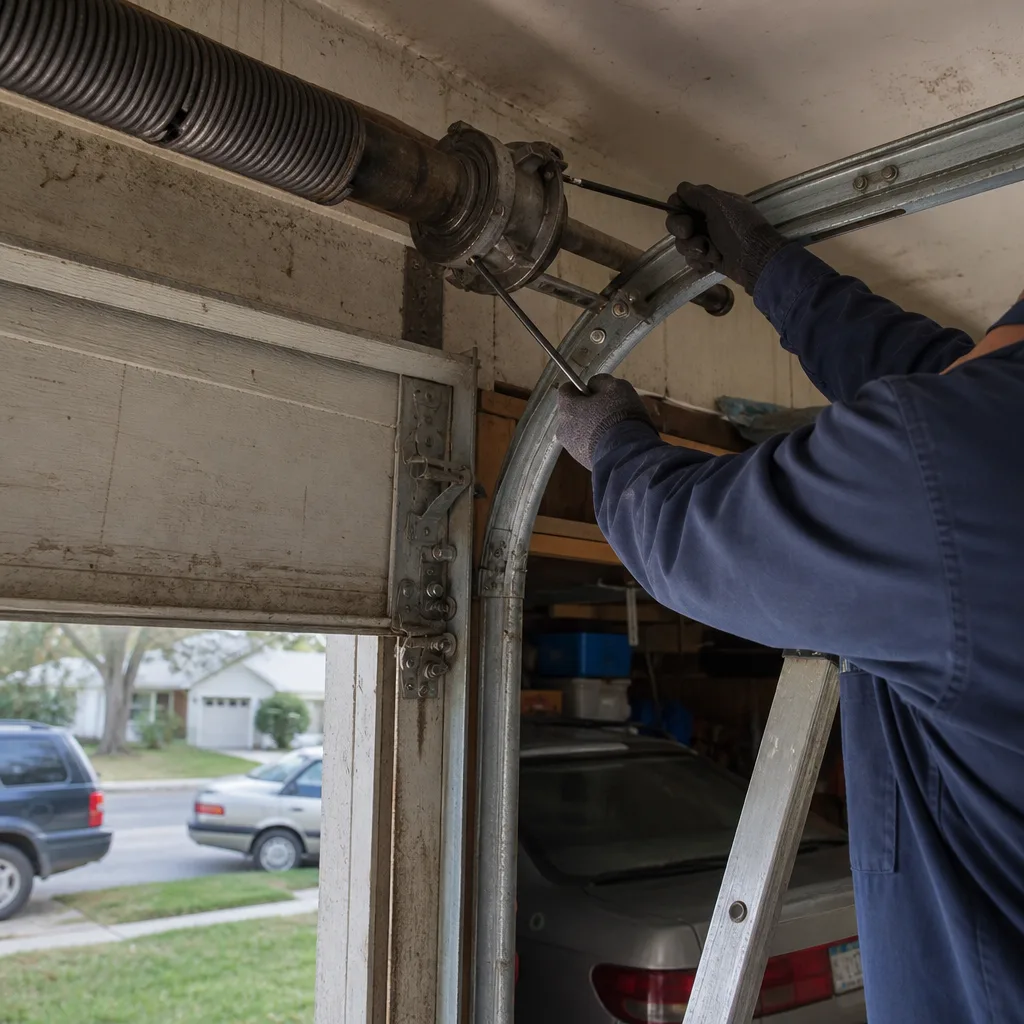 Before
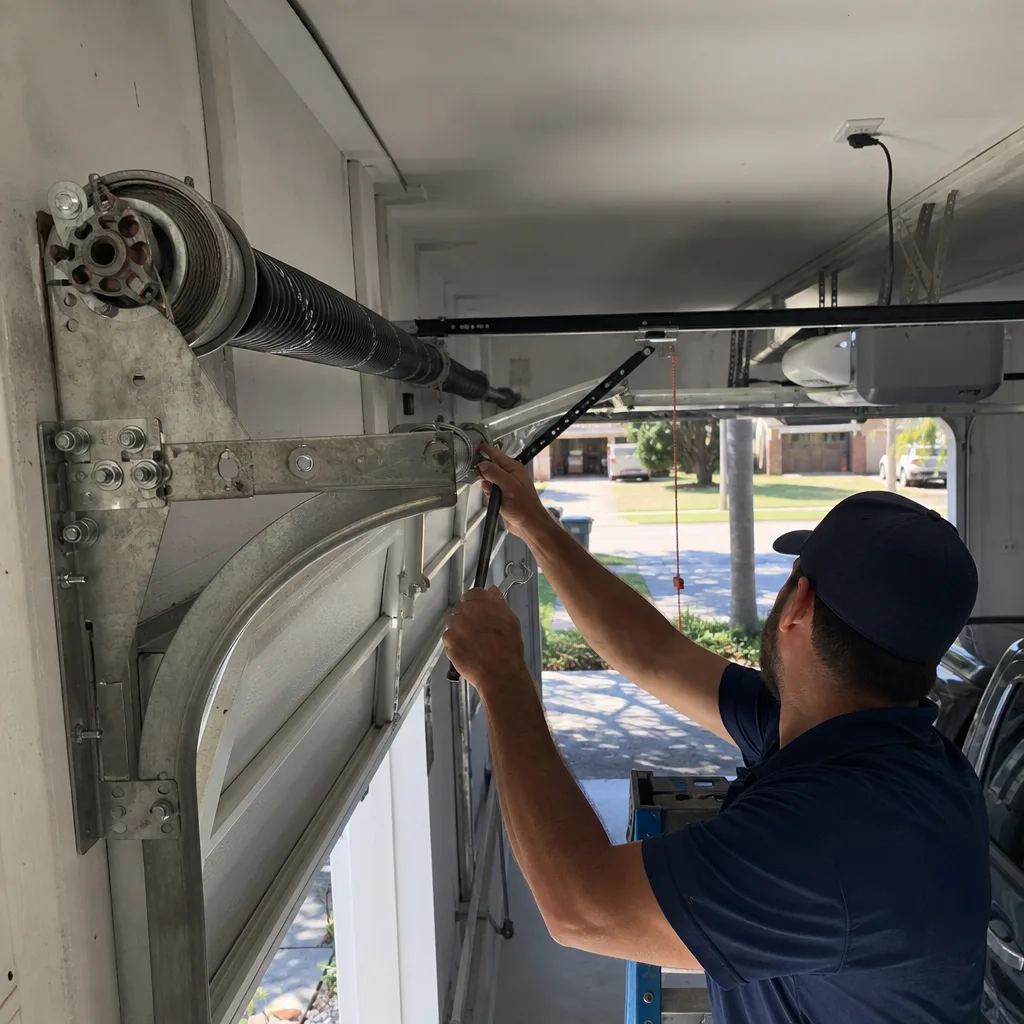 After
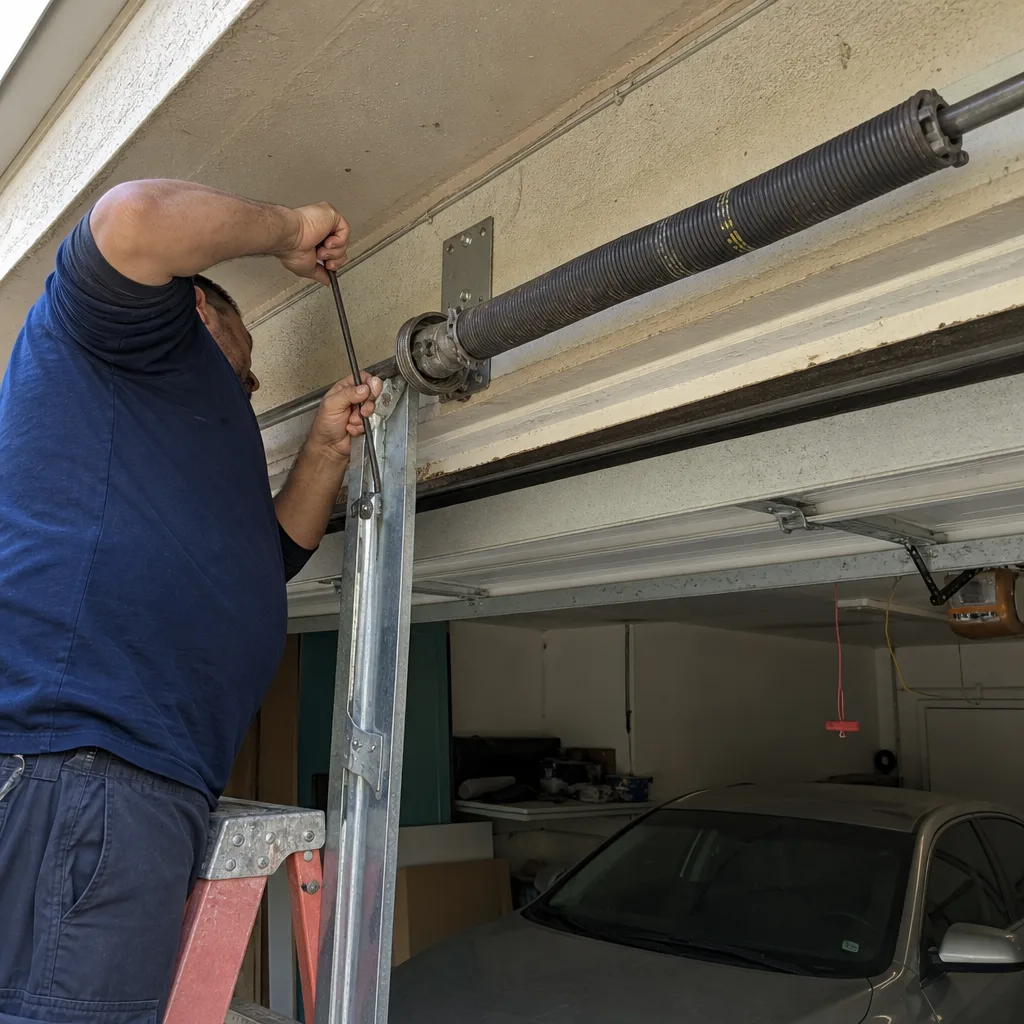 Before
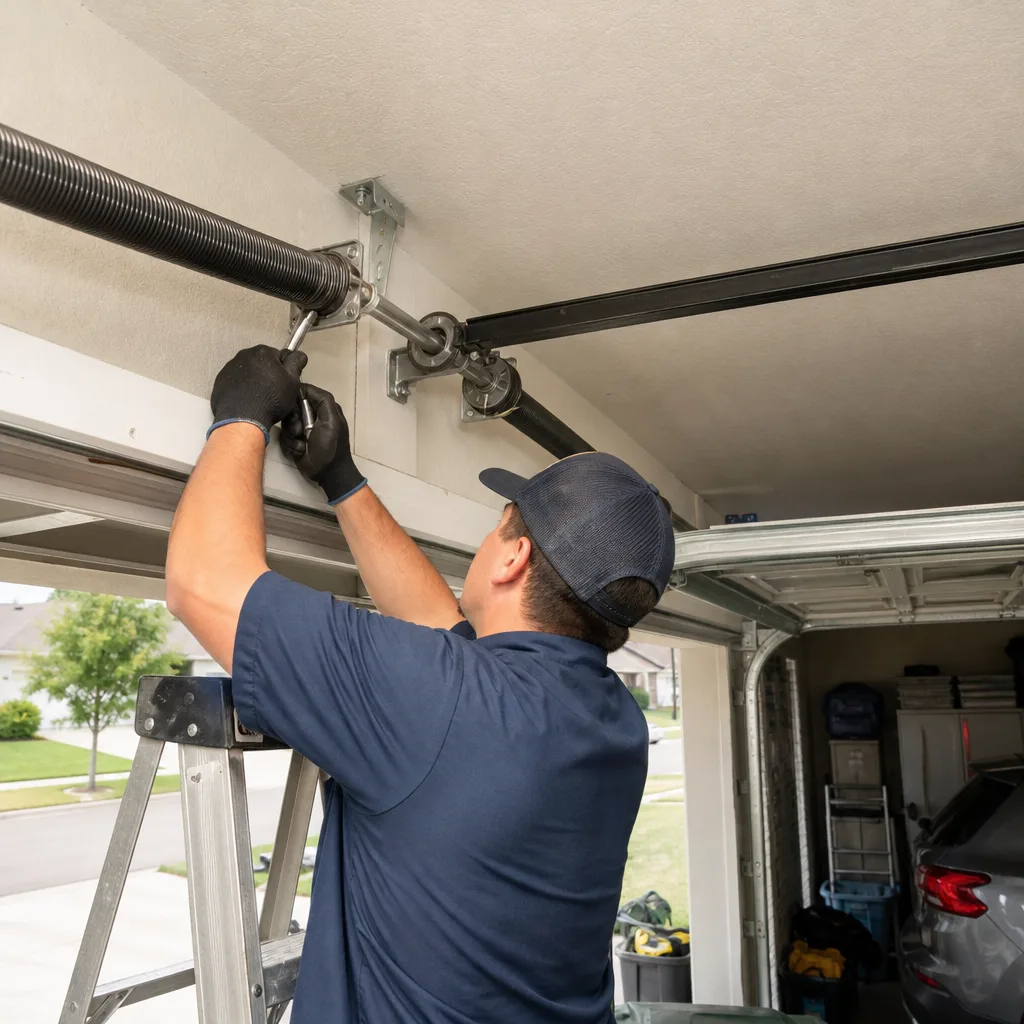 After
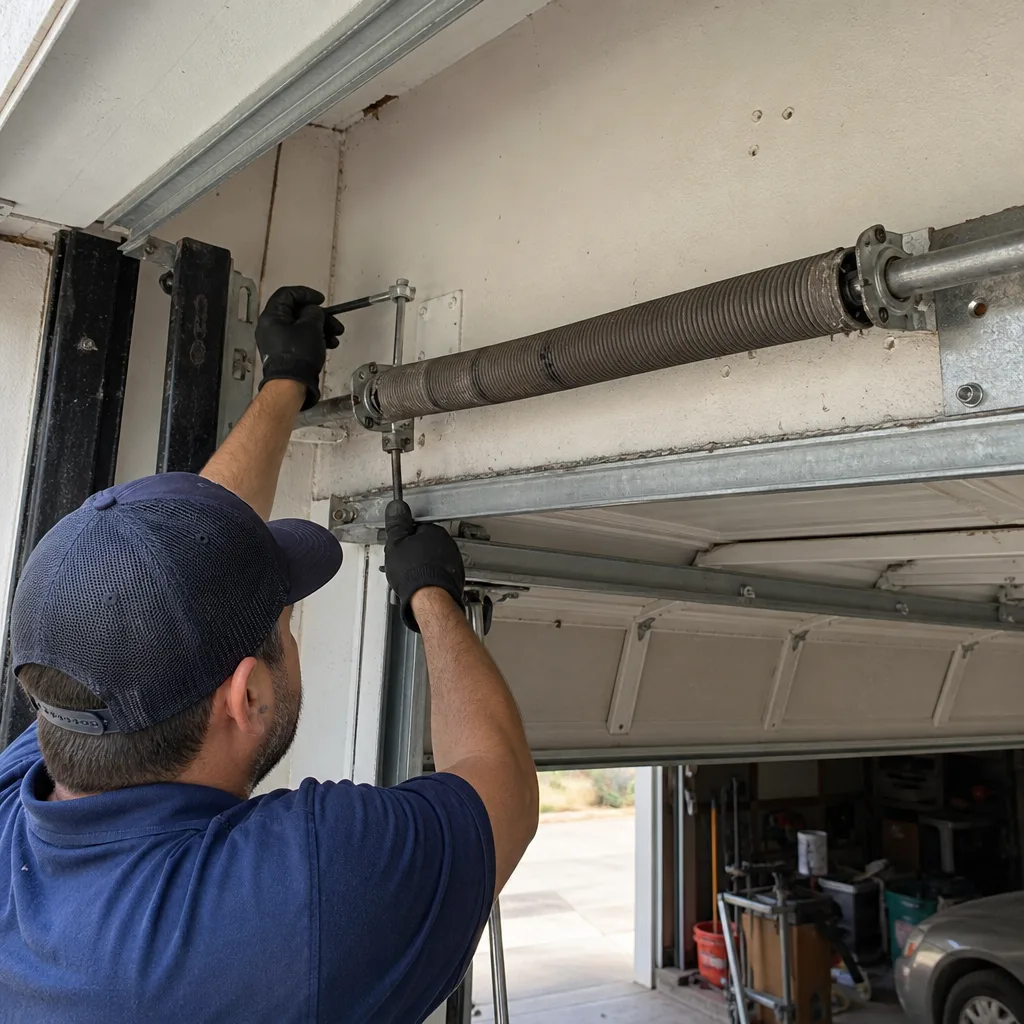 Before
 After