Last updated October 30, 2026
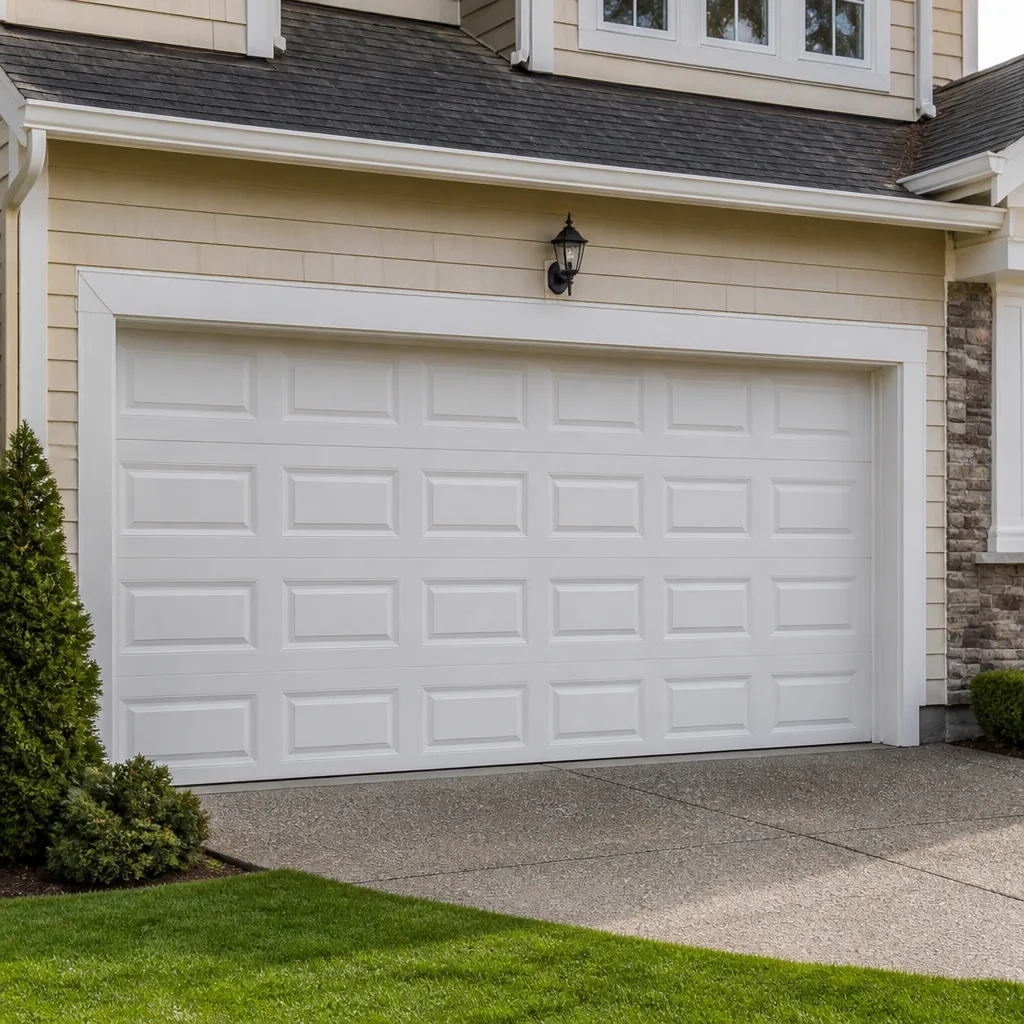 Raised-panel steel
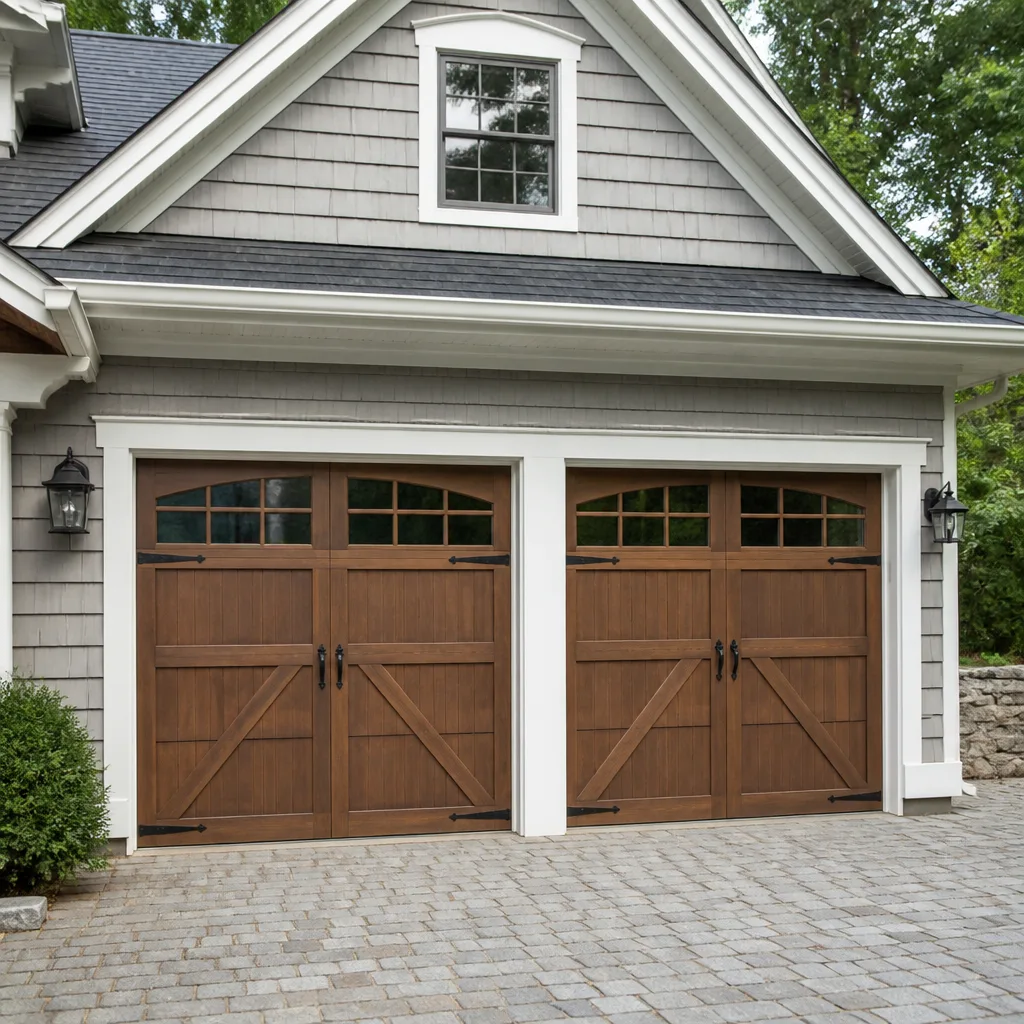 Carriage house
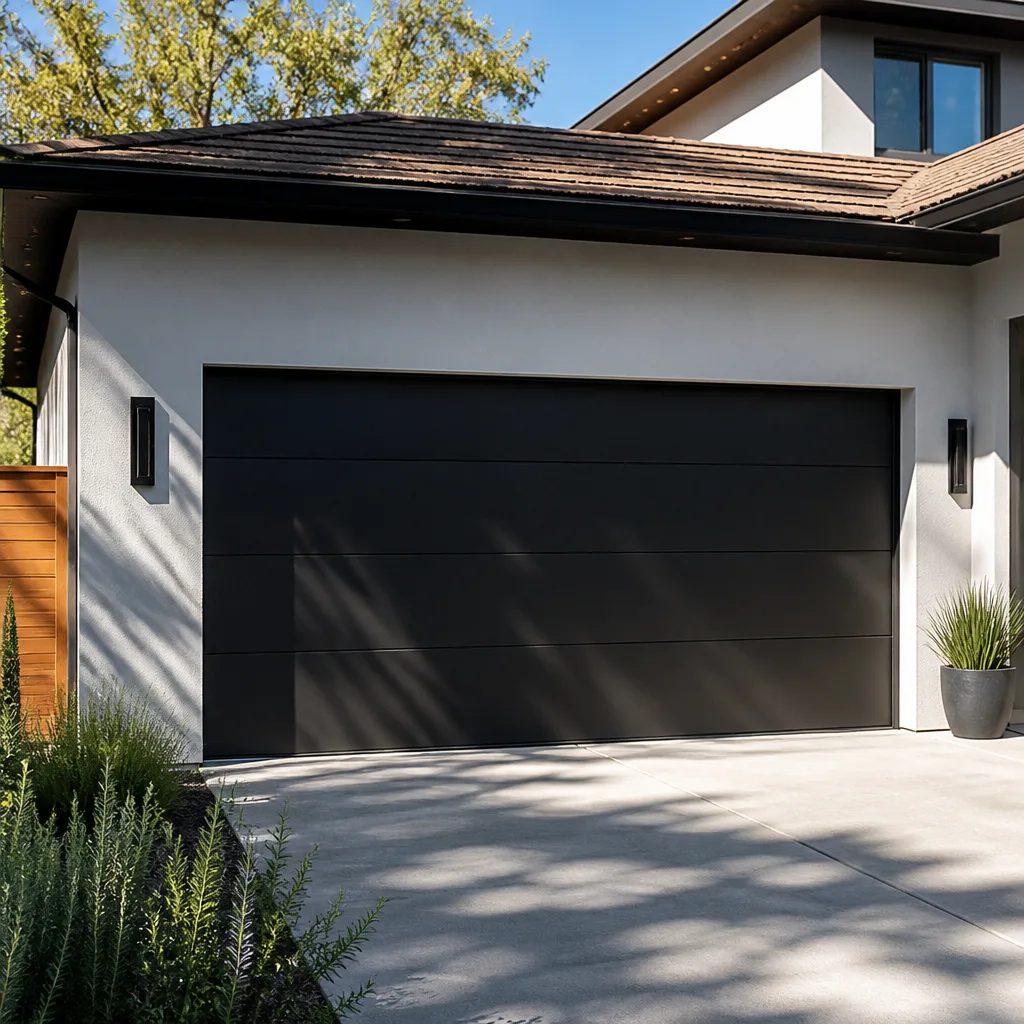 Modern flush
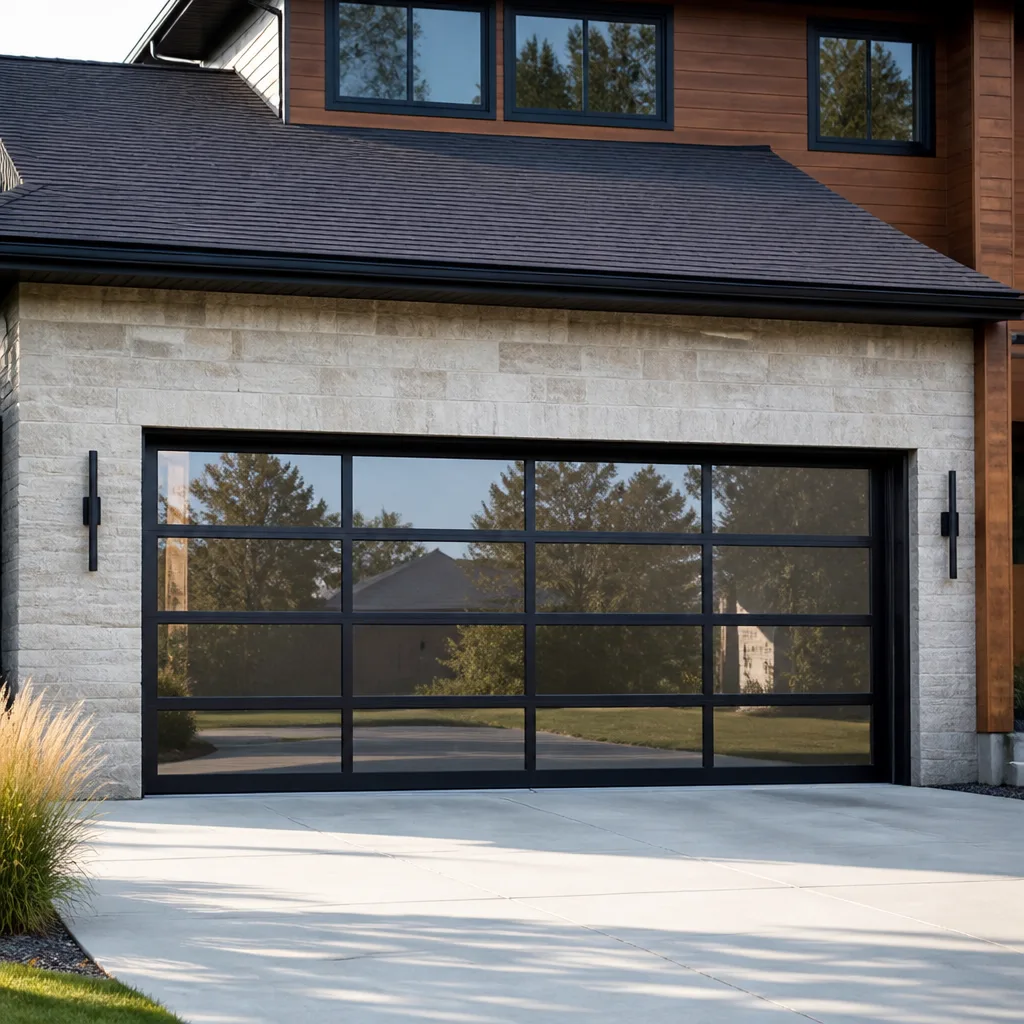 Full-view glass
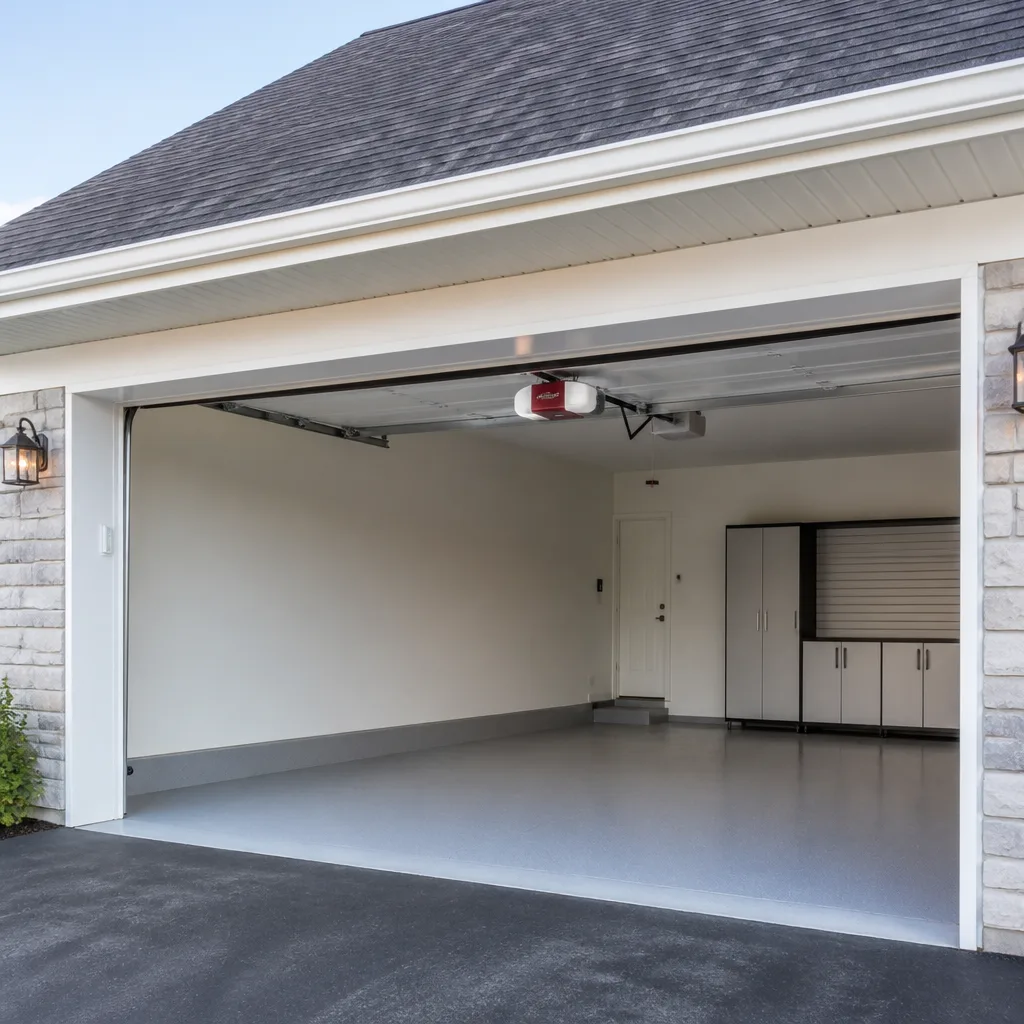 LiftMaster openers
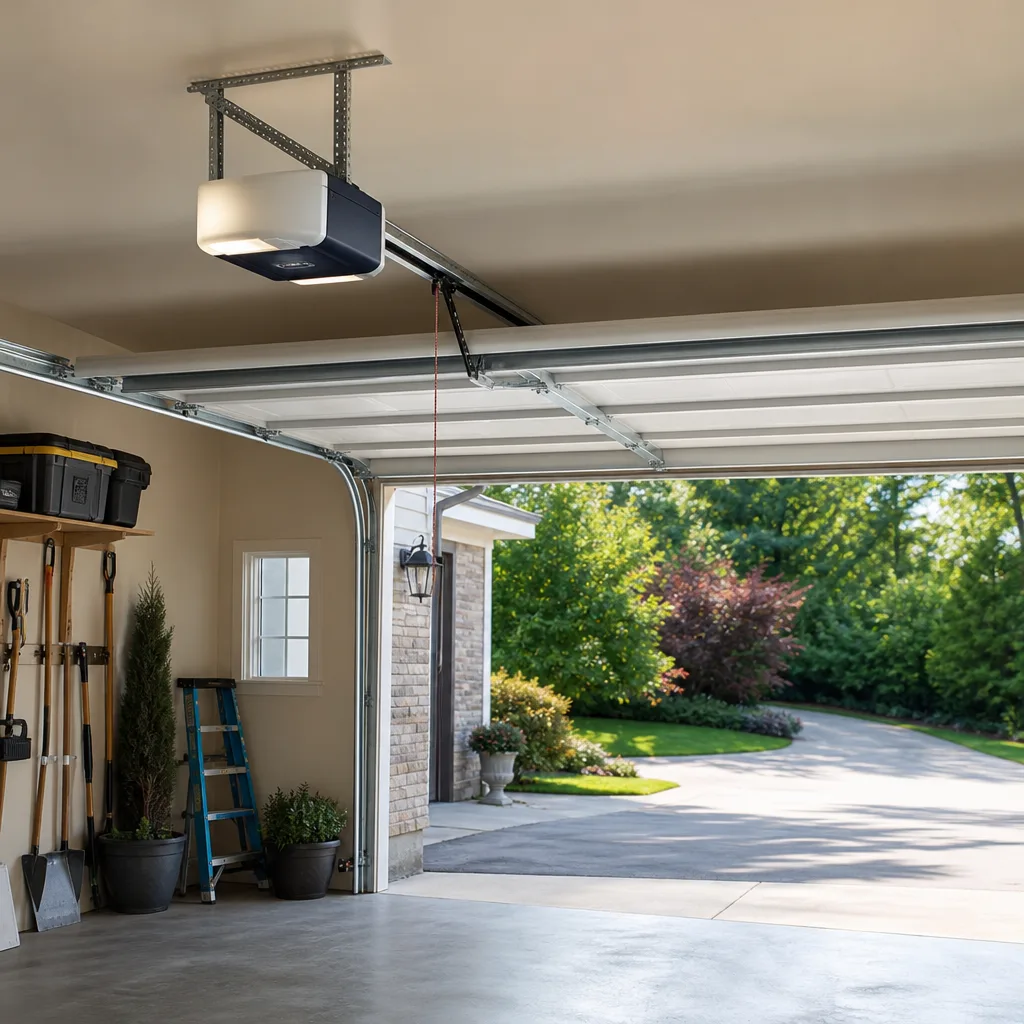 Chamberlain openers
Full 25-point door and opener safety check with every visit - springs, cables, rollers, tracks, and your LiftMaster or Chamberlain opener included
You get a price before we start. It does not change when the truck arrives.
Get your free estimateHow to Hire a Garage Door Contractor in Orlando: A Step-by-Step Guide
Ask any garage door contractor which brands they’re trained on. If the answer is one, you already know how the diagnosis will end. Orlando has more garage door companies per square mile than almost any city in Florida, and most of them fit into two camps: single-brand dealers who steer every repair toward a replacement, and general handymen who quote $79 for a spring they have no business touching. This guide walks you through the screening process we’d recommend to a neighbor, so when you search for garage door repair in Orlando, you end up with a specialist instead of a salesperson with a truck. For more guides & resources, visit our blog.
Quick Answer
Hiring a garage door contractor in Orlando comes down to verifying four things before you sign anything: multi-brand training (not single-brand dealership), Florida-specific licensing and insurance that actually covers spring work, an itemized written quote with a fixed price agreed before work starts, and a warranty in writing rather than a verbal promise. If a contractor hesitates on any of those four, call the next name on your list. Legitimate Orlando garage door specialists answer these questions daily without blinking.
Styles & brands we work with
Table of Contents
- Step 1: Verify the Florida Contractor License (CILB Lookup)
- Step 2: Ask the Multi-Brand Question That Exposes Dealers
- Step 3: Check Insurance Coverage for Spring Work Specifically
- Step 4: Read the Quote for Line Items, Not Just a Bottom Line
- Step 5: Get the Warranty in Writing Before Work Begins
- Step 6: Watch for Orlando-Specific Red Flags in the Walkthrough
- Step 7: Confirm Who Shows Up and What They Carry
- Common Mistakes to Avoid
Step 1: Verify the Florida Contractor License (CILB Lookup)
Garage door work in Florida does not always require a state contractor’s license, and that loophole is precisely why Orlando has a handyman problem. Minor repairs like photo-eye alignment or track lubrication fall outside the scope of trade. But torsion spring replacement, opener installation, and full door installation involve structural tension, electrical connections, and load-bearing components that Florida regulates.
Here’s the step-by-step verification process we recommend:
- Go to the Florida Department of Business and Professional Regulation (DBPR) website and find the Construction Industry Licensing Board (CILB) license lookup tool.
- Search the company name and the individual technician’s name. Both matter. A company can carry a license while sending unlicensed workers to your home.
- Check the license type. Garage door contractors in Florida often carry a specialty contractor license or work under a general contractor classification. The critical question: does the scope cover the specific work you need done?
- Look for complaints. The DBPR database lists disciplinary actions. A company with three complaints about unauthorized work is a different risk than one with a clean record.
- Ask for the license number on the first call. If the person on the phone hesitates, changes the subject, or says they’ll “send it over later,” end the call.
In Orlando, this step matters more than in smaller Florida towns because the market attracts out-of-state contractors chasing the new construction boom. Orange County issues its own competency licenses for some trades, and some municipalities within the metro have additional local requirements. A contractor who operates in Winter Park, Kissimmee, and downtown Orlando should know which jurisdiction applies to your address without having to look it up when they arrive.
Step 2: Ask the Multi-Brand Question That Exposes Dealers
Here’s the question that separates a garage door specialist from a brand dealer—one we explore in depth in our guide to Choosing the Right Garage Door Brand: A Buyer’s Guide for Orlando: “Which brands of openers and doors are your technicians trained on?” Listen to the pause. A single-brand dealer says “We’re a Clopay dealer” or “We specialize in Genie” and then spends the next ten minutes explaining why every other brand is inferior. A handyman says “All of them, really” and can’t name a single motor logic difference between a Chamberlain and a Raynor.
Why does this matter for your diagnosis? Because garage door openers and doors from different manufacturers fail differently. A LiftMaster opener with a bad logic board behaves nothing like a Genie with a stripped worm gear. A technician who has only ever installed one brand will interpret every malfunction through that single lens, and the diagnosis often lands on “you need a new opener” because that’s the only fix they can confidently sell.
At Carriage Garage Door Repair home, our technicians train across eight brands: LiftMaster, Chamberlain, Genie, Clopay, Amarr, Wayne Dalton, Craftsman, and Raynor. That breadth means when a Chamberlain opener in a Conway-area home starts reversing mid-cycle, we check the travel module before recommending anything. When an Amarr door in Baldwin Park binds on one side, we look at the track alignment, not the sales catalog. The right diagnosis the first time is the entire point.
Orlando’s housing stock spans everything from 1970s ranch homes in Azalea Park to brand-new builds in Lake Nona, and each era has its own dominant brands. A contractor who only knows the brands being installed this year is useless on a 1985 door in College Park.
Step 3: Check Insurance Coverage for Spring Work Specifically
Torsion springs store enough energy to launch a metal bar through a windshield. That’s not an exaggeration, and it’s why garage door work has a higher injury rate than most residential trades. What most Orlando homeowners don’t realize is that general liability policies often exclude garage door spring work, or cap the coverage with a rider the contractor never actually purchased.
When you ask for proof of insurance, ask three specific questions:
- “Does your policy cover garage door torsion spring replacement specifically?” A general “we’re insured” answer is not enough. Ask to see the certificate and check for exclusions.
- “What are your coverage limits per occurrence?” If a spring snaps during installation and puts a hole in your drywall or your car, the coverage needs to actually pay for the damage.
- “Does your workers’ compensation policy cover the technician on my property?” If an uninsured worker gets injured on your property, your homeowner’s insurance is the one that pays. That’s a risk no reputable Orlando contractor will ask you to take.
Companies that do opener repair in Orlando should also carry coverage for electrical work, since opener installation involves wiring into your home’s power supply. A company that only carries liability for door panel replacement but sends a tech to wire an opener is exposing you to risk on paper.
Step 4: Read the Quote for Line Items, Not Just a Bottom Line
A legitimate garage door quote in Orlando looks like a parts list, not a paragraph. If the person who comes to your home writes “$480 – spring repair” on a business card and asks for a signature, walk away. Here’s what a real quote includes:
- Part names and numbers. A torsion spring quote should list the spring’s wire size, inside diameter, length, and cycle rating. “Spring, heavy duty” is not a part description.
- Labor broken out from materials. You should see both numbers. Vague labor line items are how quotes get inflated after the work starts.
- Specific opener model for opener work. If an opener replacement is recommended, the exact model number should be on the quote. “Opener, belt drive” could mean a $199 unit or a $599 unit.
- A dispatcher’s phone number to call with questions. Not just the tech’s cell that goes to voicemail after hours.
Red flags in Orlando garage door quotes we’ve seen over the years: a pressure line like “this price is only good if you sign today,” a labor charge that mysteriously doubles when the crew arrives because “the job was bigger than expected,” and a bottom line with no breakdown at all. The price you’re quoted should be the price you pay, and it should be agreed before any work begins. That’s how Garage Door Repair in Orlando operates for every job we take on.
Step 5: Get the Warranty in Writing Before Work Begins
Every garage door contractor in Orlando says they stand behind their work. Very few will put it in writing with specificity. A legitimate warranty includes the following:
- Part coverage in months or years. A quality torsion spring warranty typically covers 10,000 cycles, which translates to roughly 3-5 years of normal use in an Orlando household. If the warranty says “lifetime” with no cycle rating, it’s a marketing line.
- Labor coverage window. How long after the repair will they return and fix it for free if something fails? 90 days is reasonable for minor adjustments. A year is strong.
- What voids the warranty. A legitimate liability policy will state that misuse or a different contractor modifying the work voids coverage. If the warranty document doesn’t mention exclusions, it’s vague enough to deny anything.
- Who honors it if the company is sold or closes. Manufacturer warranties on openers and doors transfer. A one-truck operation’s verbal warranty dies with the truck.
We recommend asking: “Can you email me the warranty terms before I schedule?” A company that has real warranty terms will send them in under five minutes. A company that stalls is telling you what their word is worth.
Step 6: Watch for Orlando-Specific Red Flags in the Walkthrough
Orlando’s climate and market create specific failure patterns that a knowledgeable technician should address during the walkthrough. We cover these patterns year-round in Seasonal Garage Door Care for Orlando: Year-Round Homeowner’s Guide. Here’s what to watch for:
- Rust assessment. Orlando’s humidity and afternoon thunderstorms accelerate rust on hinges, springs, and tracks. A good contractor examines the hardware and tells you whether the rust is cosmetic or structural. A bad one ignores it and later blames your “old door” for the failure.
- Hurricane bracing check. Post-Andrew building codes in Orange County require garage doors to have specific wind-load ratings and bracing if your home was built after 1992. A contractor who doesn’t mention wind-load rating during an installation quote doesn’t know Orlando code.
- Lightning and power-surge discussion. Orlando leads the country in lightning strikes, and openers here get damaged by surges more than anywhere else in the state. A specialist asks about surge protection. A generalist doesn’t know to ask.
- Photo-eye placement questions. Florida building code requires sensors mounted no higher than 6 inches from the floor. A technician who installs them higher than that will have you failing an inspection or, worse, endangering a child or pet.
Each of these Orlando-specific checks signals whether the contractor understands this market or just works here. The difference matters when your garage door is the largest moving object in your home.
Step 7: Confirm Who Shows Up and What They Carry
You’ve verified the license, checked the insurance, read the quote, and confirmed the warranty. One question remains: who actually shows up to do the work? Subcontracting is common in Orlando’s high-volume market, and a company that sells the job to a different outfit has just rendered all your verification work meaningless.
Ask directly: “Will the technician who comes to my home be a direct employee of your company?” Then ask what the truck carries. A real garage door specialist rolls up with inventory: multiple spring sizes, common tracks, hinges, rollers, and at least two opener models. They should not need to “come back tomorrow with the parts” for a standard repair. That’s the difference between Garage Door Opener Repair in Orlando done right and a two-trip inconvenience.
Our technicians carry parts for the eight brands we service, which means a Chamberlain diagnostic doesn’t require a second visit because the truck only had Genie parts. That’s a practical detail that matters when your garage door is stuck open and the Florida heat is turning your garage into an oven.
Common Mistakes to Avoid
- Clicking the first paid ad without checking the license. The top Google result in Orlando for “garage door repair” is often a lead-generation service that sells your call to the highest bidder. You have no idea who’s showing up.
- Paying by cash with no receipt. If there’s no paper trail, there’s no warranty, no proof of work, and no recourse in Orange County small claims court. Always pay by check or card with a detailed invoice.
- Accepting a “free safety inspection” from a cold caller. A knock at your door in Winter Park explaining your garage door “looks dangerous” is a sales script, not a service. Reputable companies in Orlando don’t cold-call for inspections.
- Signing a work order that’s also the quote. If the first thing they hand you is something to sign, you’re hiring based on whatever number they just made up. A real specialist gives you a document you can review, send to your spouse, or have a second company evaluate.
- Letting a single-brand dealer talk you out of a repair. If the quote conversation keeps drifting back to “new door” no matter what you asked about, the answer was predetermined before they arrived.
- Ignoring the opener when the door has a problem. A door that “doesn’t stay down” may be a door issue or an opener issue. The right specialist diagnoses both. A handyman replaces the opener. A dealer replaces the door. Neither may fix the actual problem.
See the difference
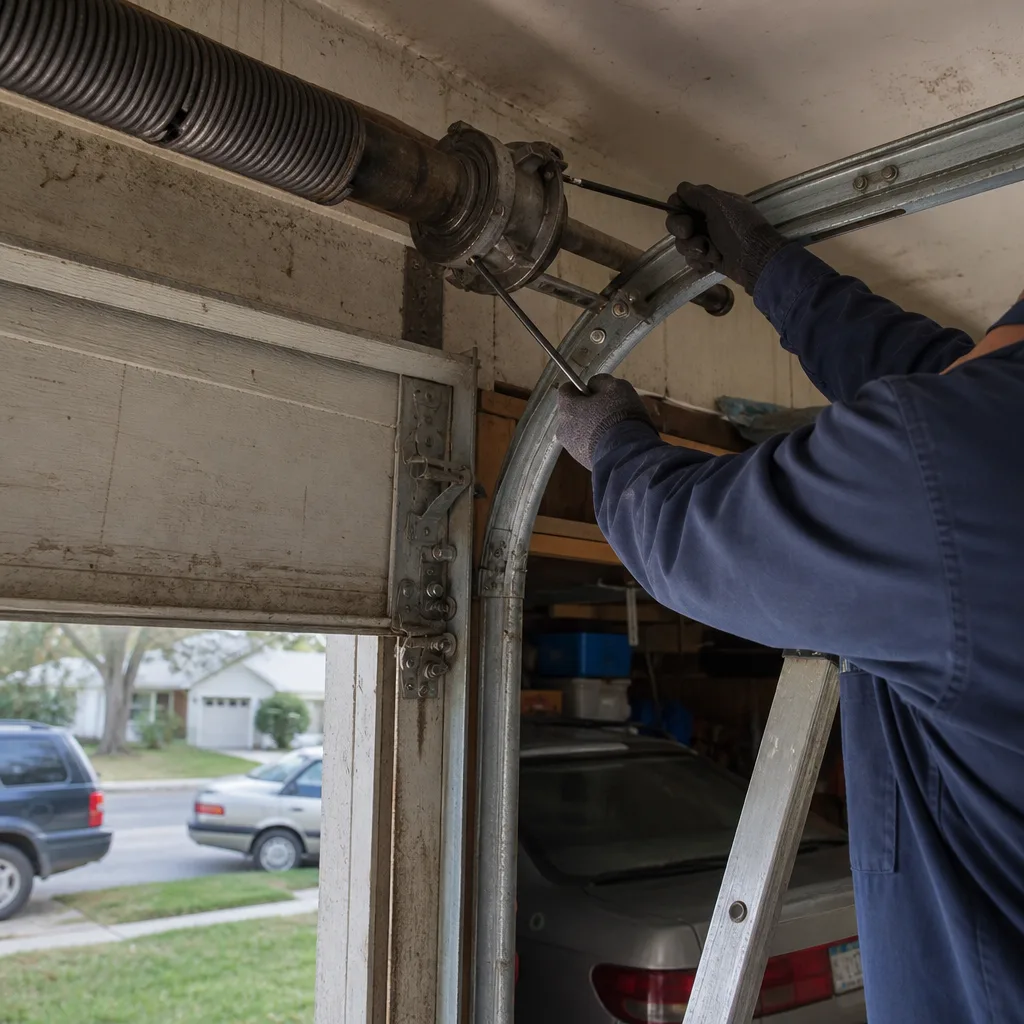 Before
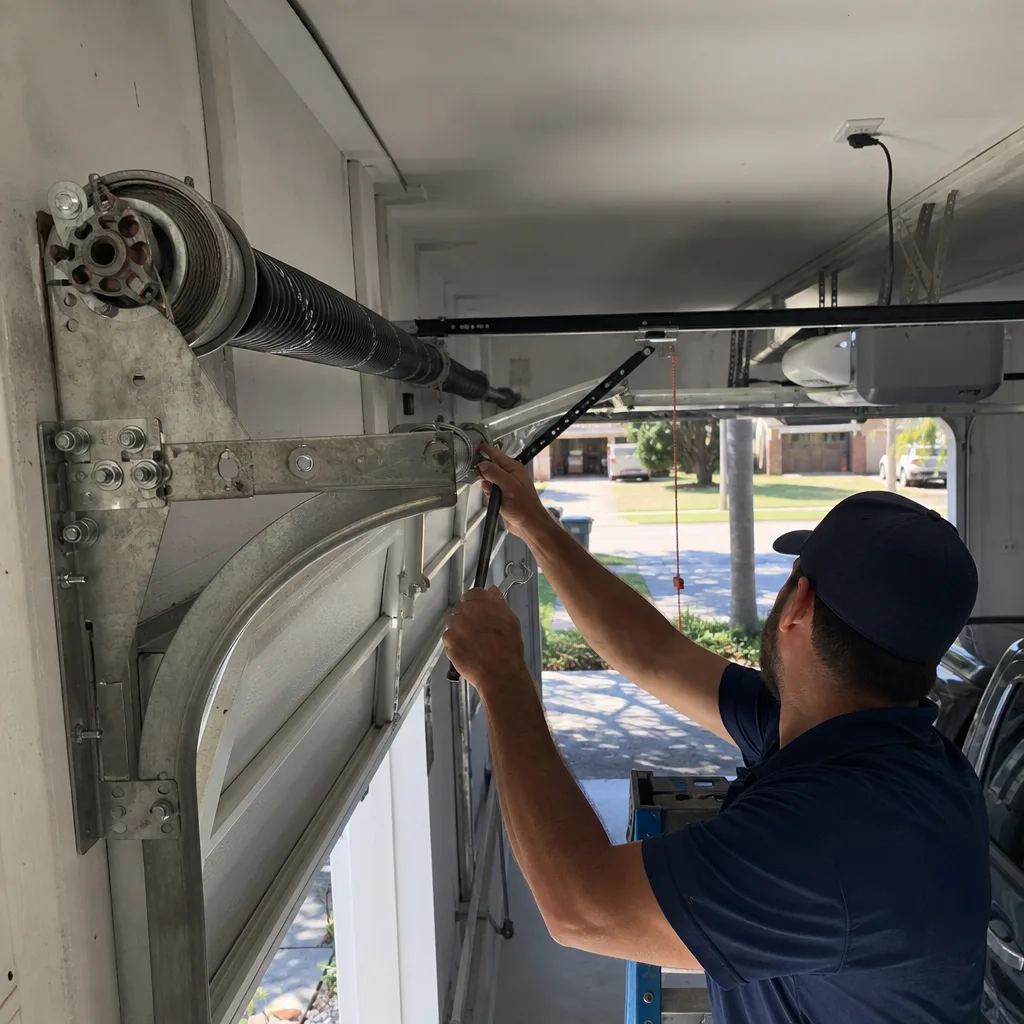 After
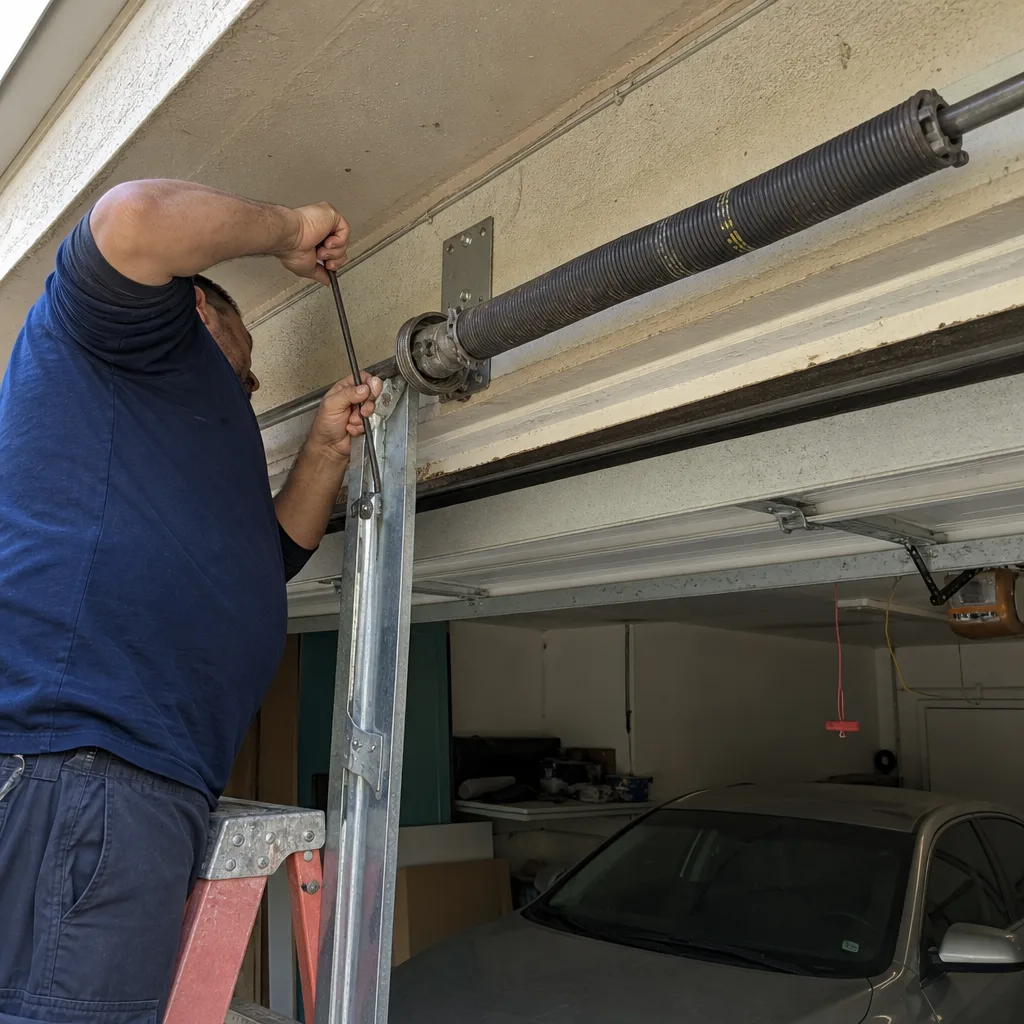 Before
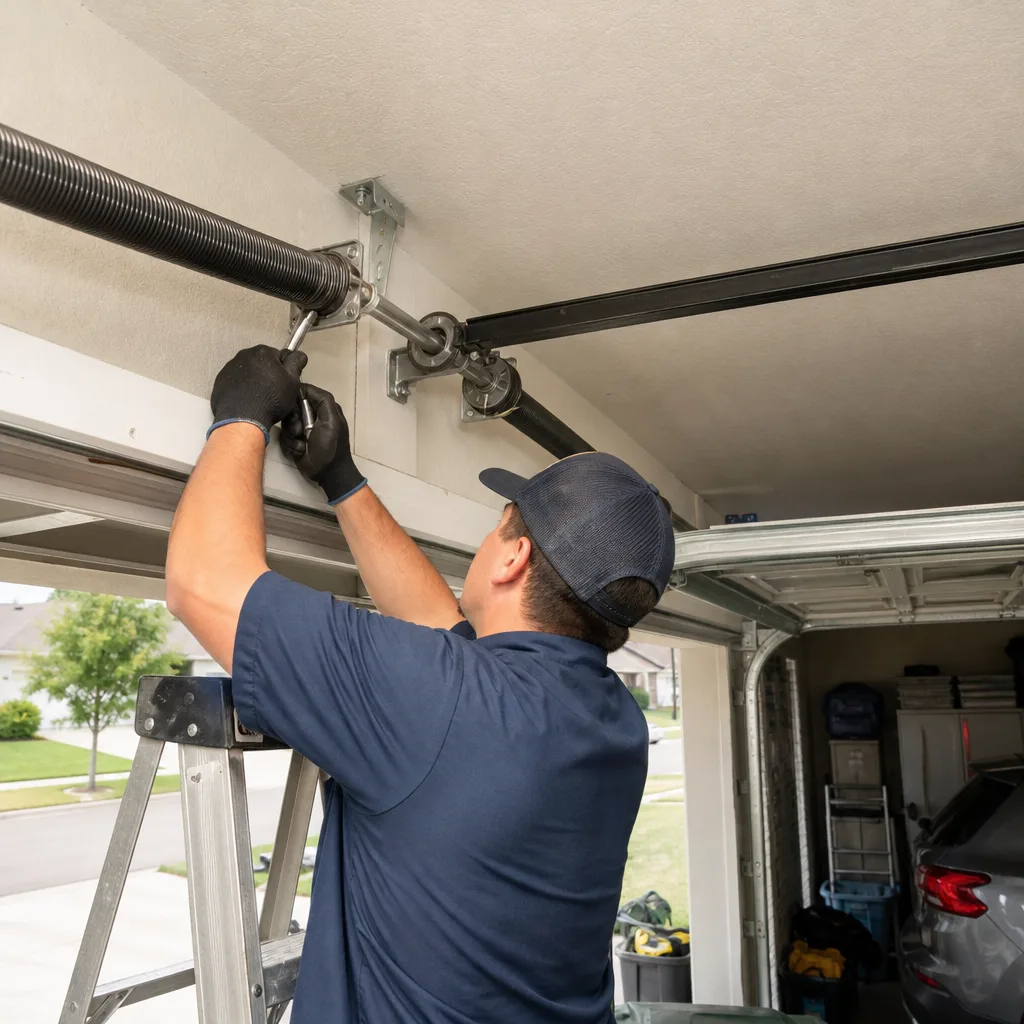 After
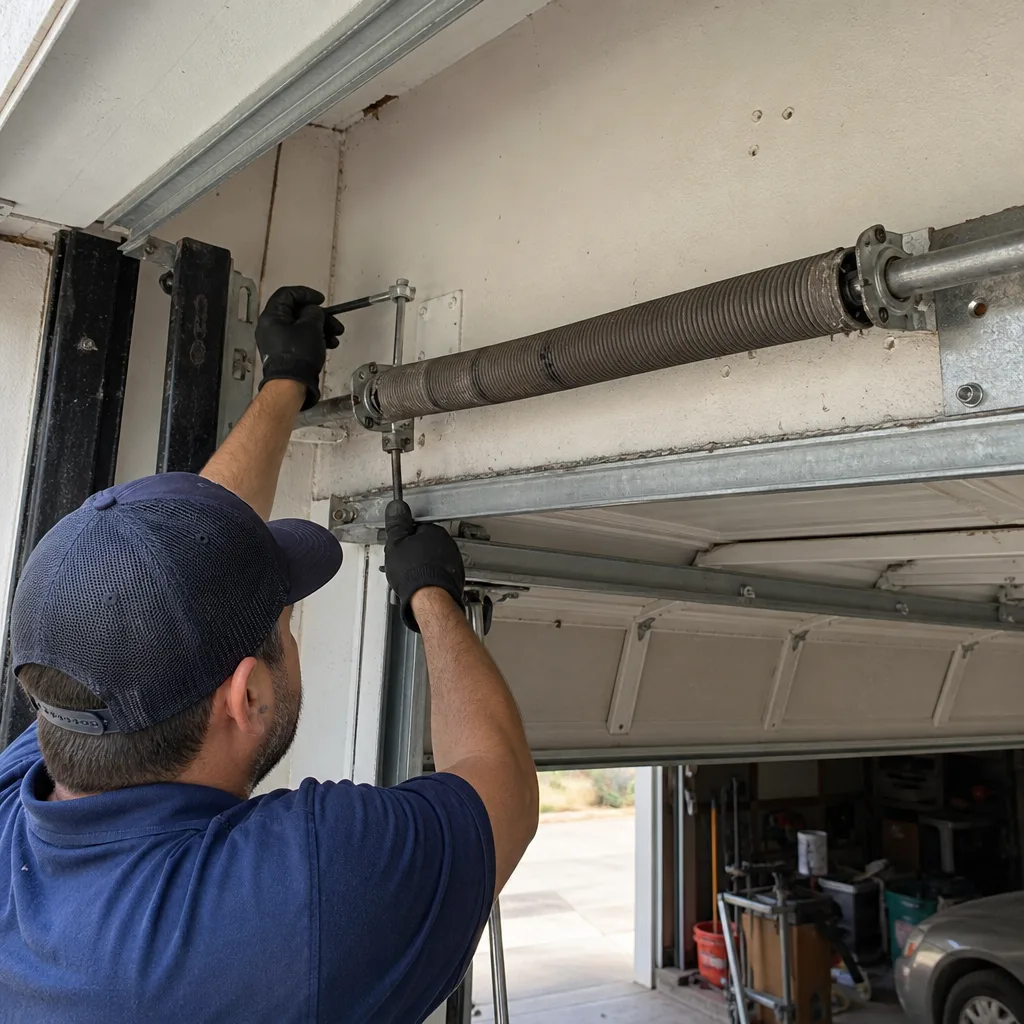 Before
 After
When to Call a Professional
Some garage door issues are maintenance. Most aren’t. If your door has a broken torsion spring, a cable that’s frayed or off its drum, a track that’s visibly bent, or an opener that’s sparking, smoking, or running without moving the door, stop using the door and call someone with training. Torsion spring repair and cable work are dangerous enough that we’ll say it plainly: these are not DIY jobs, and any Orlando contractor who tells you otherwise is not looking out for you. If your door is noisy, slow, or slightly out of balance, a professional can usually rebalance the spring and adjust the travel limits affordably before a small problem becomes a full panel replacement. For a deeper look at common issues, see The Complete Garage Door Repair Guide for Orlando Homeowners. Carriage Garage Door Repair offers free estimates in Orlando – call (855) 596-4175 and tell us what you’re seeing. We’ll give you an honest read on whether it’s a repair or a replacement.
Frequently Asked Questions
In Orlando, a single torsion spring replacement typically runs $180 to $340, while a pair runs $280 to $520, including parts and labor. The range depends on spring size, cycle rating, and whether your door needs additional balancing. A two-car door with high-cycle springs will land at the higher end. Call (855) 596-4175 for an exact quote – estimates are free.
Most established Orlando garage door repair companies offer same-day service for spring and cable failures in the metro area, typically with arrival windows of two to four hours. The tradeoff is that the busiest companies may push you to a next-day slot. If a broken spring is leaving your door sealed shut, tell the dispatcher it’s an emergency and ask for an honest ETA rather than a promise they might not keep.
Should I replace my garage door or repair it?
You should repair the door if the panels and track are structurally sound and the replacement cost would be 50% or more of a new door. You should replace it if multiple panels are rusted through, the track is warped beyond adjustment, or your current door doesn’t meet Orlando’s wind-load code for hurricane bracing. A spec