Last updated October 30, 2026
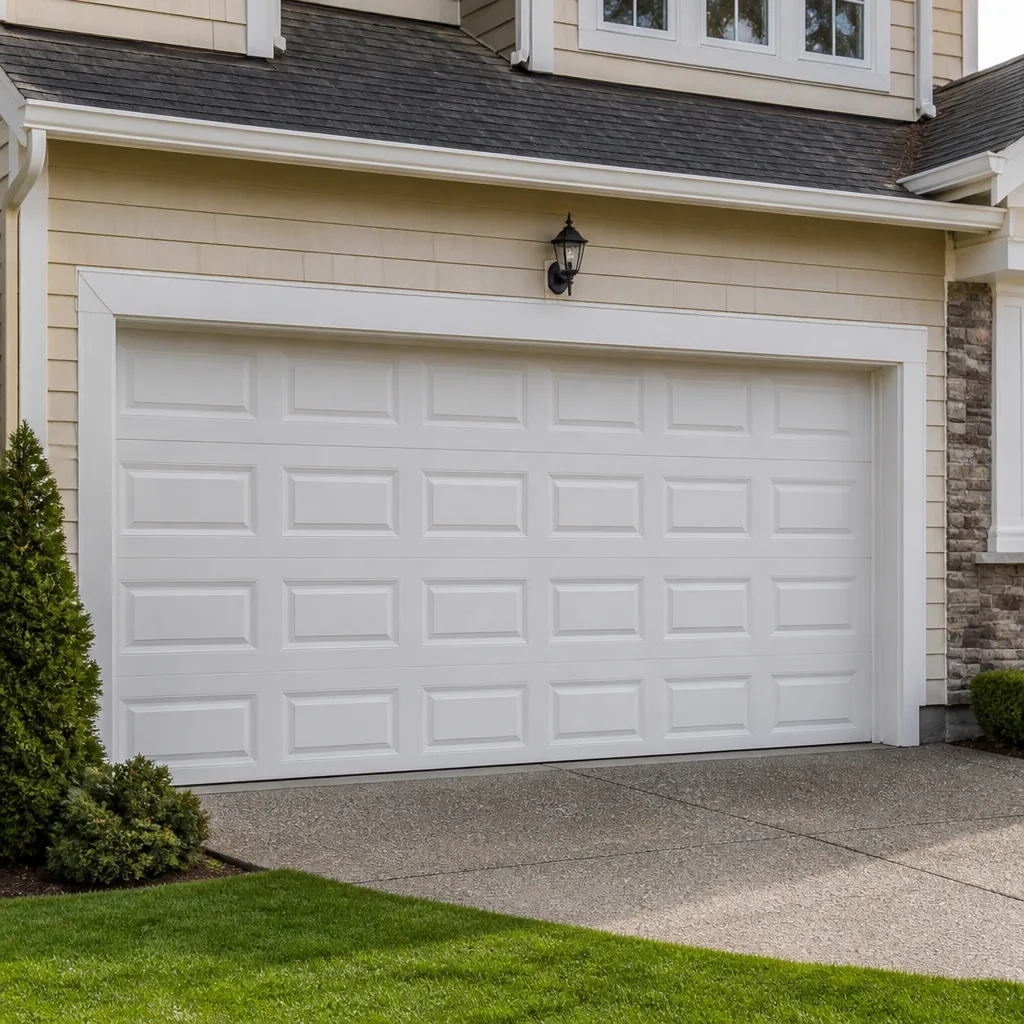 Raised-panel steel
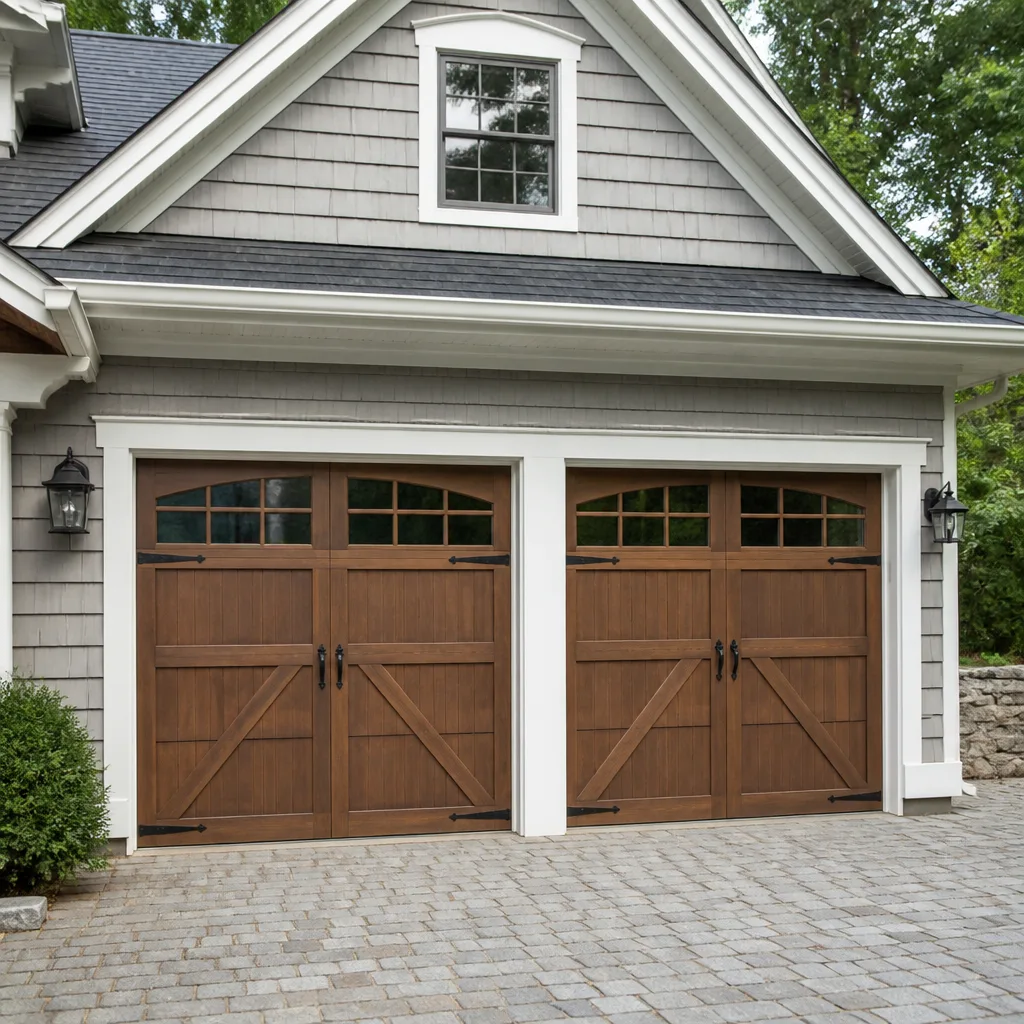 Carriage house
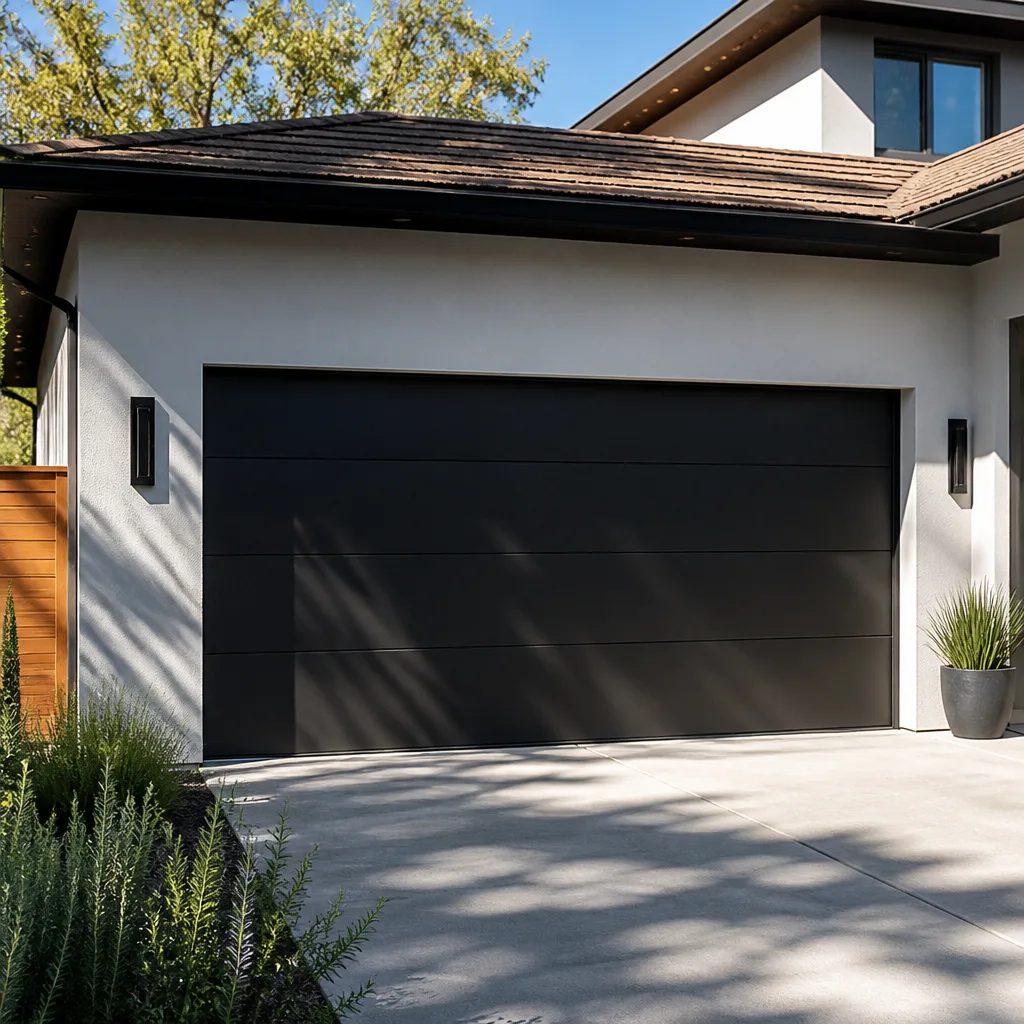 Modern flush
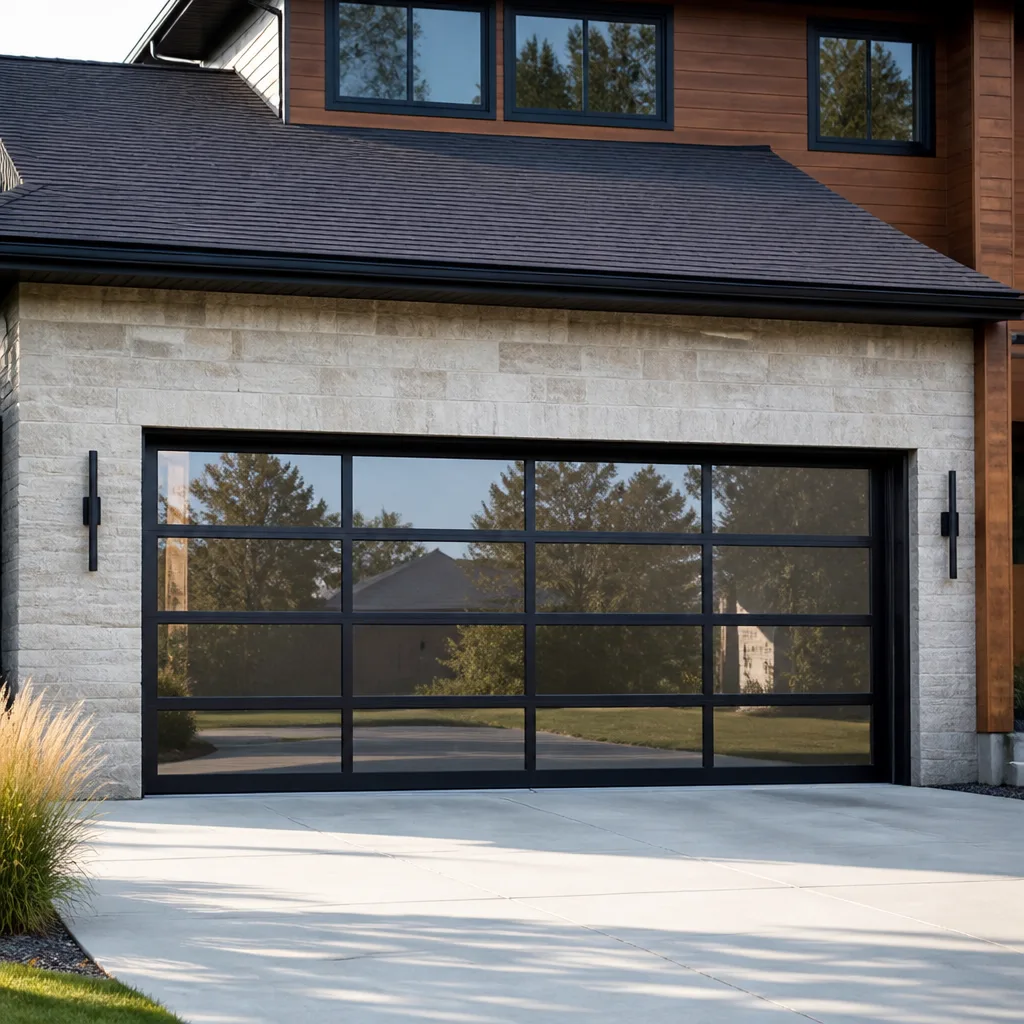 Full-view glass
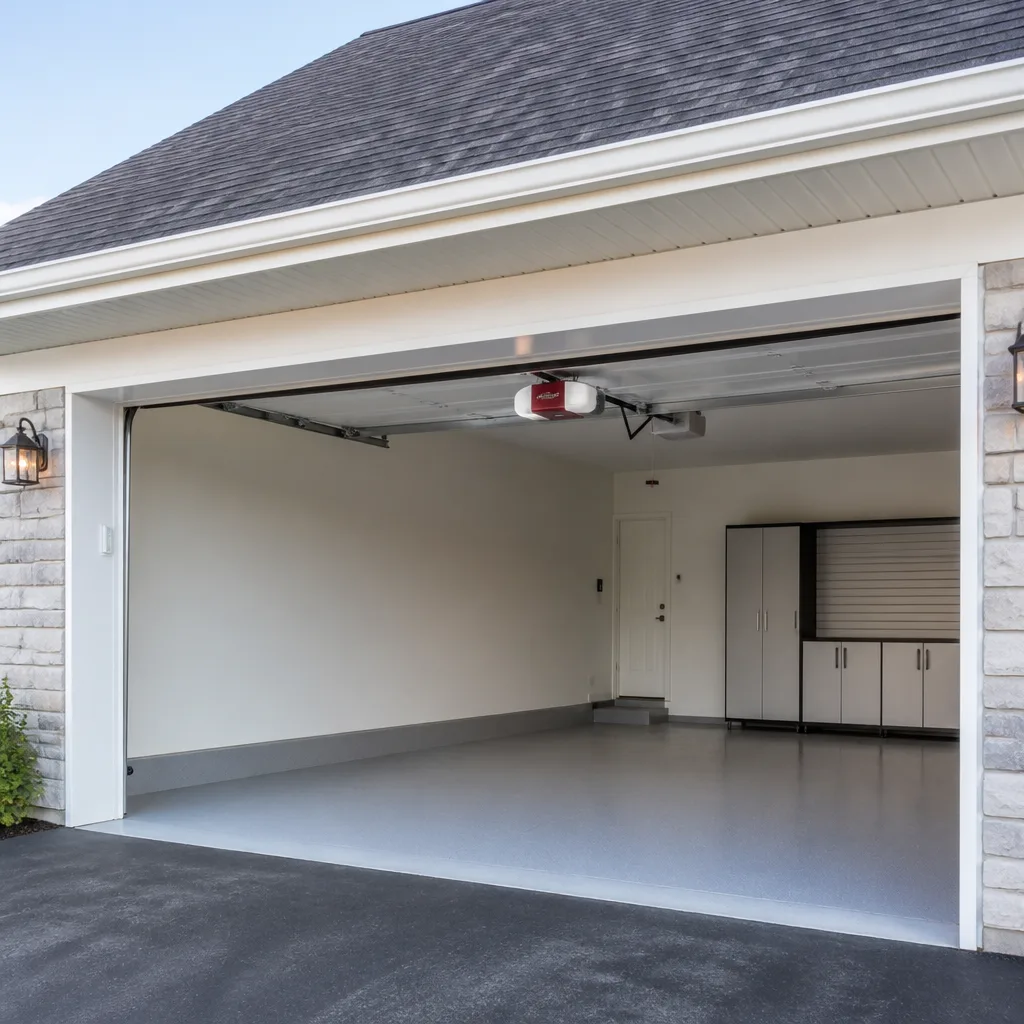 LiftMaster openers
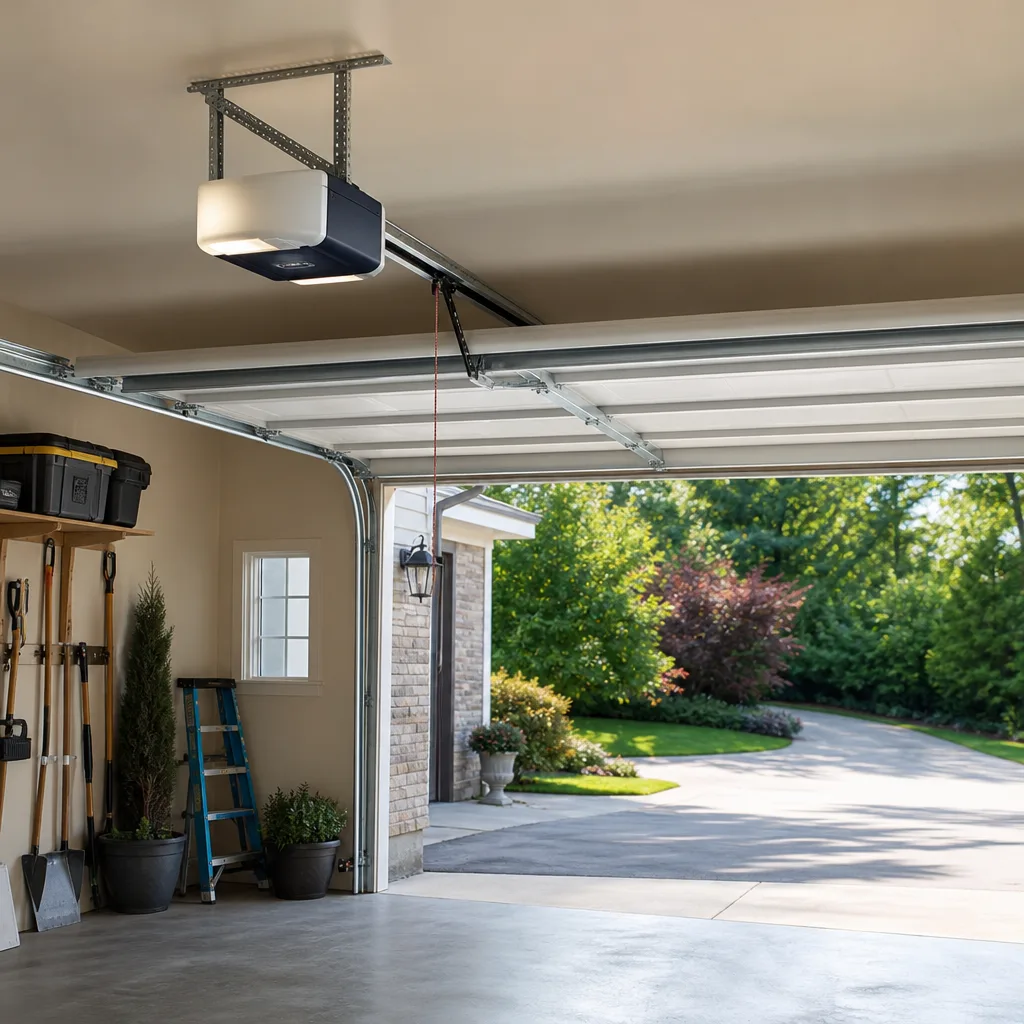 Chamberlain openers
Full 25-point door and opener safety check with every visit - springs, cables, rollers, tracks, and your LiftMaster or Chamberlain opener included
You get a price before we start. It does not change when the truck arrives.
Get your free estimateSeasonal Garage Door Care for Orlando: Year-Round Homeowner’s Guide
Here’s something most Orlando homeowners don’t realize until it costs them: the component most likely to fail in October isn’t the one most likely to fail in February. Central Florida doesn’t operate on a four-season calendar the way the rest of the country does. We live inside a three-season cycle: a brutal wet season, a deceptive dry season, and a hurricane season that rides along the edges of both. Each one stresses a completely different part of your garage door system, and the maintenance that protects your door in June does almost nothing for it in December. In this guide—a companion to our The Complete Guide to Garage Door in Orlando—we’ll walk through exactly what Orlando’s climate does to your garage door month by month, what to check before and after storms, and which jobs genuinely need a technician familiar with your specific door and opener brand.
Styles & brands we work with
Quick Answer
Seasonal garage door care in Orlando means rotating your attention through three distinct stress cycles: wet-season corrosion control and circuit protection from June through September, hurricane-season bracing and manual-release readiness from August through October, and dry-season lubrication, tension checks, and roller replacement from November through March. A homeowner who spends about 30 minutes per season on targeted checks can prevent most mid-cycle failures that strand cars in driveways across Orange County every year, as detailed in our The Complete Garage Door Repair Guide for Orlando Homeowners.
Table of Contents
- Why Orlando’s Climate Breaks Garage Doors Differently
- Wet Season Care: June Through September
- Hurricane Prep: Bracing, Manual Release, and Wind-Rated Doors
- Post-Storm Inspection: What to Check Before Operating the Door
- Dry Season Care: November Through March
- Year-Round UV Damage on Panels and Paint in Central Florida
- The 15-Minute Monthly Checklist Every Orlando Homeowner Should Run
- Common Mistakes to Avoid
- When to Call a Professional
- Frequently Asked Questions
- The Bottom Line
Why Orlando’s Climate Breaks Garage Doors Differently
Most garage door maintenance advice published online is written for places with snow, road salt, and sub-zero temperatures. That advice doesn’t transfer to Orlando. We don’t deal with frozen tracks or salt-corroded hardware. What we deal with is worse in its own quiet way: relentless humidity that never dries out, a UV index that ranks among the highest in the continental United States, and a storm season that routinely tests every weak point in a door’s construction. In our experience working on doors across Orlando, from College Park to Lake Nona to Dr. Phillips, the failure patterns are remarkably consistent. Wet-season failures are almost always corrosion, moisture intrusion into the opener motor housing, or swelling in weatherstripping that throws off the door’s seal. Dry-season failures are almost always mechanical: springs that lose tension in the cooler air, rollers that crack when temperatures swing, and cables that snap under load. The common thread is that none of these failures come out of nowhere. They announce themselves weeks in advance if you know what to look for. This guide exists to teach you what to look for, in the right season, before the door stops moving entirely.
If you’re dealing with an active problem right now rather than planning ahead, our Garage Door Repair in Orlando page covers common failure symptoms and what a repair visit typically involves.
Wet Season Care: June Through September
Orlando’s wet season runs from roughly June through September, and it’s the longest continuous stress test your garage door faces all year. Afternoon thunderstorms roll through three to five days a week. Relative humidity sits above 70% almost every day, often climbing into the 90s overnight. Your garage, unless it’s actively ventilated or climate-controlled, sits in that soup for four months straight. Here’s what actually breaks during this stretch, and what you should do about each item before and during the season.
Humidity and your tracks. Steel tracks in an Orlando garage start developing surface rust faster than most homeowners expect. The rust starts as a fine orange haze, then deteriorates into pitting that makes the rollers drag instead of glide. A dragging roller makes the opener motor work harder, which shortens the motor’s life. During wet season, wipe the tracks down monthly and apply a light silicone spray to the inside edge. Do not use grease on tracks. Grease collects dust and turns into an abrasive paste that causes more wear than it prevents.
Bottom seals and weatherstripping. The rubber strip along the bottom of your door is the first line of defense against water intrusion during the daily downpours Orlando gets in June, July, and August. Heat and humidity cause the rubber to lose flexibility within two to three summers. Once it’s stiff or cracked, water seeps under the door during storms, soaking anything stored on the garage floor near the door. Check the seal by closing the door and looking for daylight gaps along the floor. If you see light where the seal meets the concrete, the strip needs replacing. This is a low-cost repair compared to what water damage does to whatever sits on the floor.
Opener motor circuit boards. This is the one that catches Orlando homeowners off guard. Condensation forms inside opener motor housings during humid nights when the garage temperature drops. That condensation settles on the circuit board and leads to intermittent failures or a completely dead opener. Homeowners call us saying the opener worked yesterday and won’t respond today. Nine times out of ten during wet season, it’s moisture on the board. You can reduce the risk by keeping the garage door open for 15 minutes after parking to ventilate the space, running a small dehumidifier if the garage is enclosed, and checking that the opener’s housing vents aren’t blocked by dust or cobwebs. If your opener does fail mid-storm, don’t assume it’s dead. Let it dry out for 24 hours before calling for repair. Sometimes the board recovers. If it doesn’t, our Garage Door Opener Repair in Orlando page covers opener-specific diagnostics across the brands we work on, including Genie and LiftMaster.
Wet Season Maintenance Steps
- Check the bottom seal for cracks, stiffness, and daylight gaps. Replace if compromised.
- Wipe down both vertical and horizontal tracks with a dry cloth. Apply a light silicone spray to the inside edges.
- Inspect the opener housing for dust buildup around ventilation openings. Clear it to allow airflow.
- Test the auto-reverse safety sensors with a roll of paper towels. Misalignment is common after humidity causes bracket expansion.
- Run the opener with the door in manual mode once a month to confirm the motor isn’t laboring against swollen seals or rusted hardware.
Hurricane Prep: Bracing, Manual Release, and Wind-Rated Doors
Hurricane season spans June 1 through November 30, but the months that produce most named storms affecting Central Florida are August, September, and October. For Garland homeowners, a garage door is the single largest opening on the house. If it fails during a storm, the pressure differential can lift the roof and devastate the structure. This isn’t exaggeration; it’s the documented failure mode in post-storm engineering reports from every major hurricane. Your garage door isn’t a convenience during a named storm. It’s a structural wall.
Wind-rated doors and what they actually need. If you have a wind-rated door, look for a label or sticker on the inside of the door panel showing the design pressure rating, typically expressed in pounds per square foot (PSF). A door rated for Miami-Dade or Florida Building Code high-velocity hurricane zones will usually carry a rating of +50/-55 PSF or similar. But a wind-rated door only performs to its rating if every component in the system is intact: the tracks, the hinges, the rollers, and most critically, the reinforcement struts. In our experience on Orlando homes, we regularly see wind-rated doors where one or more reinforcement struts have been removed or damaged during a previous repair. The door carries the label, but the structure is compromised. If you have a wind-rated door, inspect the struts before storm season. Each horizontal strut should be firmly bolted across the full width of the door. If one is loose or missing, have it replaced before a storm approaches. We stock reinforcement hardware for doors from Clopay and Amarr, two of the most common wind-rated brands in the Orlando market.
Manual release practice. During a power outage, the only way to operate a garage door is the manual release. If you’ve never pulled the red emergency release cord on your opener, the middle of a hurricane is the wrong time to learn. In August, before the peak of storm season, practice this sequence once:
- Close the door fully using the opener.
- Pull the red release cord straight down. You should hear or feel the trolley disengage.
- Manually lift the door by hand from the bottom handle. It should raise smoothly without excessive effort.
- Lower it back down and re-engage the opener by pulling the release cord toward the door until it clicks.
- Run the opener once to confirm re-engagement.
If the door is too heavy to lift manually with one hand, that’s a spring tension problem. A properly balanced door should lift from the bottom with about 20 pounds of effort. A heavy door means the springs are failing. In a hurricane scenario where you need to evacuate or access your car after the storm without power, that door is a liability. Have the spring tension checked before peak storm season. If you’re unsure about the process or the door feels unusually heavy, this is one of those moments where a professional check is worth the cost. Our Carriage Garage Door Repair home page covers what a spring tension inspection entails and what we look for.
What not to do. Do not brace a garage door from the outside with plywood or two-by-fours. The Florida Building Code and every manufacturer’s guidance warn against improvised external bracing. It doesn’t transfer wind loads properly and can become a projectile if it detaches. If your door is not wind-rated and you want added protection, retrofit bracing kits installed on the inside are available for certain door models, but they’re not universal. We’re happy to assess your door and tell you whether a retrofit makes sense. That assessment is part of the free estimate we provide for Orlando homeowners.
Post-Storm Inspection: What to Check Before Operating the Door
After a named storm passes through the Orlando area, the instinct is to drive out and assess the neighborhood or get to work clearing debris. Before you do either, take five minutes to inspect the garage door if the home lost power or sustained wind exposure. Operating a damaged door can turn a minor repair into a full replacement, and can injure someone standing near the tracks.
Step 1: Look at the door from inside the garage, without opening it. Check for any panels pushed inward, any visible gaps where the door meets the side jamb, and any water staining on the inside surface. If a panel is visibly displaced, do not operate the door. Off-track panels bind against the track and can rip the mounting brackets out of the wall when the opener pulls.
Step 2: Walk the track visually. Look at both vertical tracks and the horizontal sections above. After high winds, it’s common for a track to shift laterally by a half-inch or more. Look for bolts pulled loose from the wall, any bend or bow in the track channel, and debris jammed into the track at floor level. Small branches and leaves get driven horizontally into the track opening during storms.
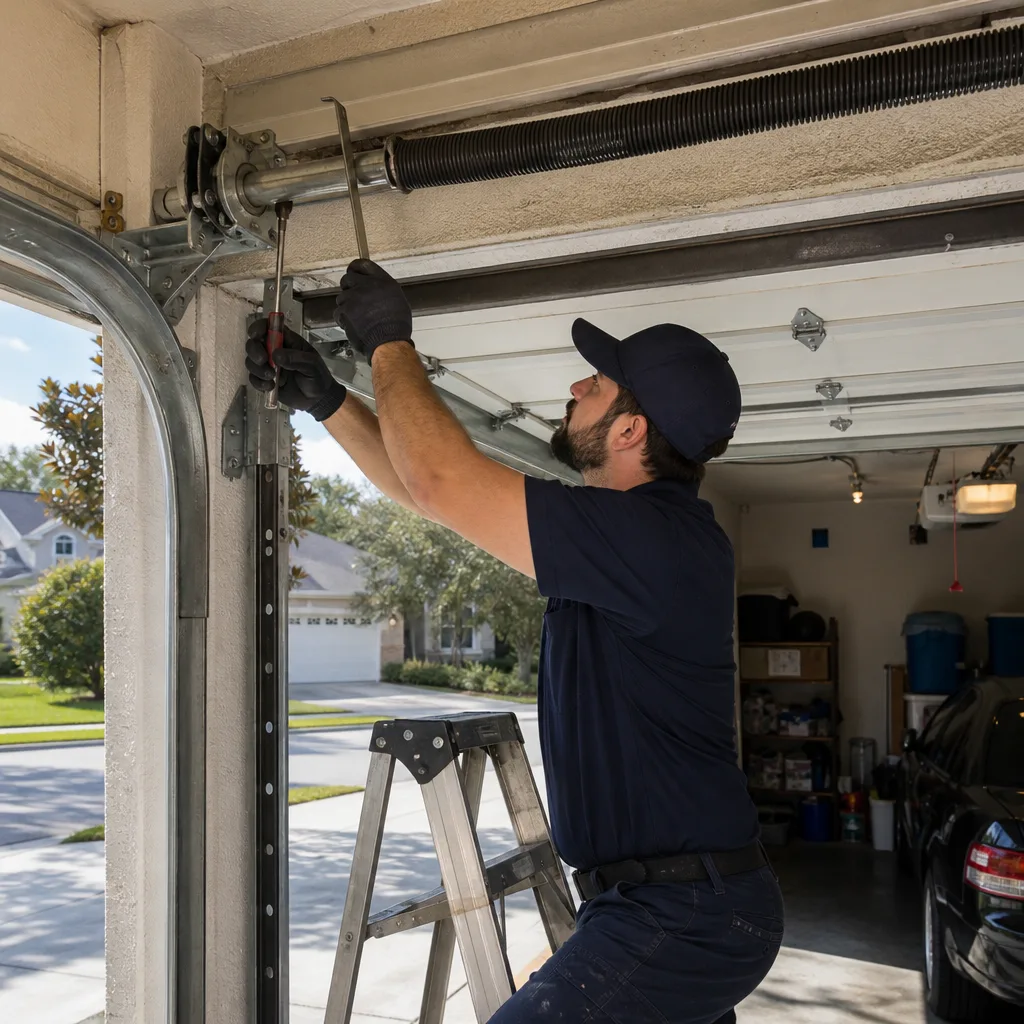
Step 3: Check the counterbalance cables. These are the two steel cables that run along each side of the door from the bottom brackets up to the cable drums above the door. They should be tight, sitting cleanly in the drum grooves. A slack cable or one that’s jumped the drum is a serious hazard. Do not attempt to fix this yourself. The cables and springs are under enormous tension and cause serious injuries when released improperly.
Step 4: If power returns and everything above looks normal, run the door once while watching the full cycle from inside. Listen for grinding, popping, or any new sound. Watch the door as it rises: it should lift straight and smoothly. If it hesitates on one side, stops partway, or the opener reverses immediately, close it and leave it closed. That indicates a problem our technicians diagnose quickly, but forcing it makes the repair more expensive. For storm-related damage in the Orlando area, call us and describe what you’re seeing; we’ll tell you over the phone whether it’s safe to operate.
Dry Season Care: November Through March
Orlando’s dry season brings the weather most of the country would call pleasant: lower humidity, temperatures that occasionally dip below 50 degrees, and fewer afternoon storms. Homeowners relax, which is exactly when the dry season does its damage. The drop in ambient temperature and moisture changes the physical dimensions of metal components. Springs contract slightly. Tracks contract. Rollers become less pliable in cooler air. These changes put additional stress on parts that were already marginal at the end of the wet season.
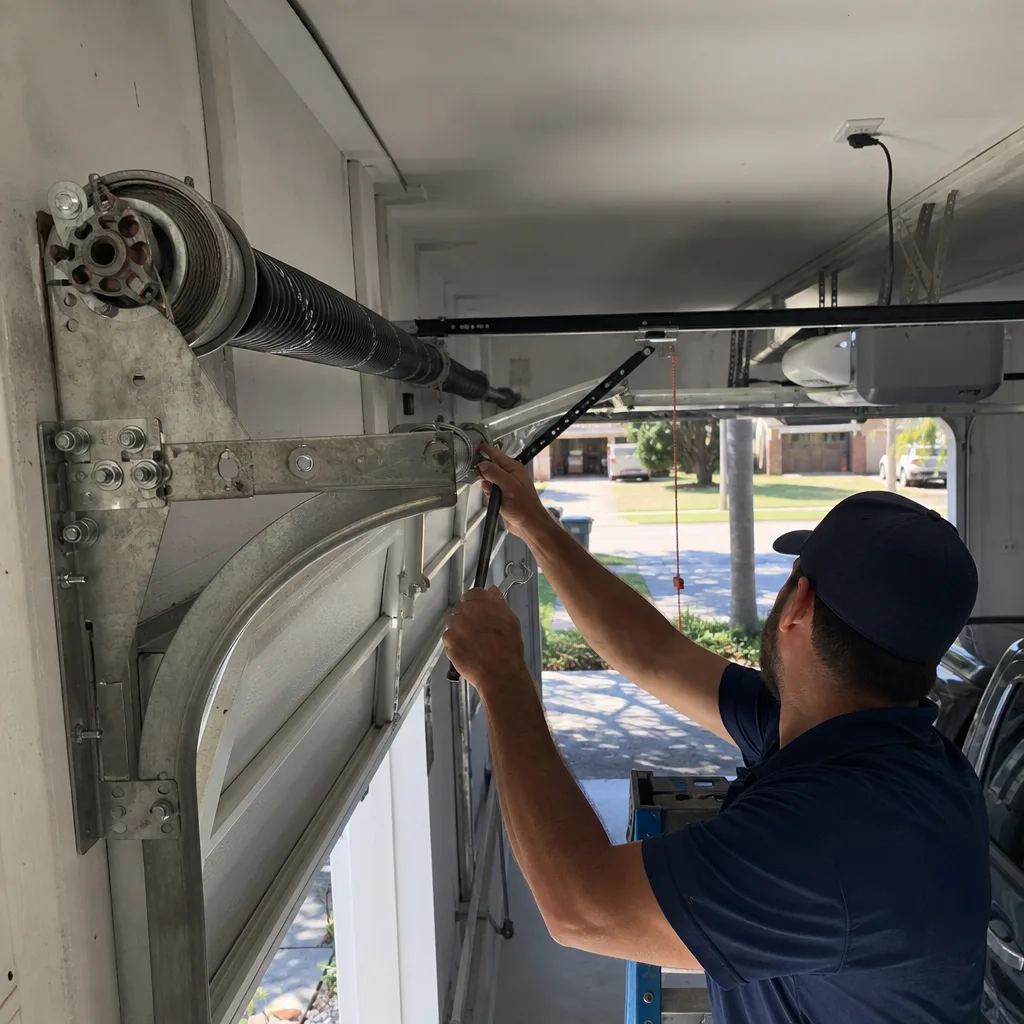
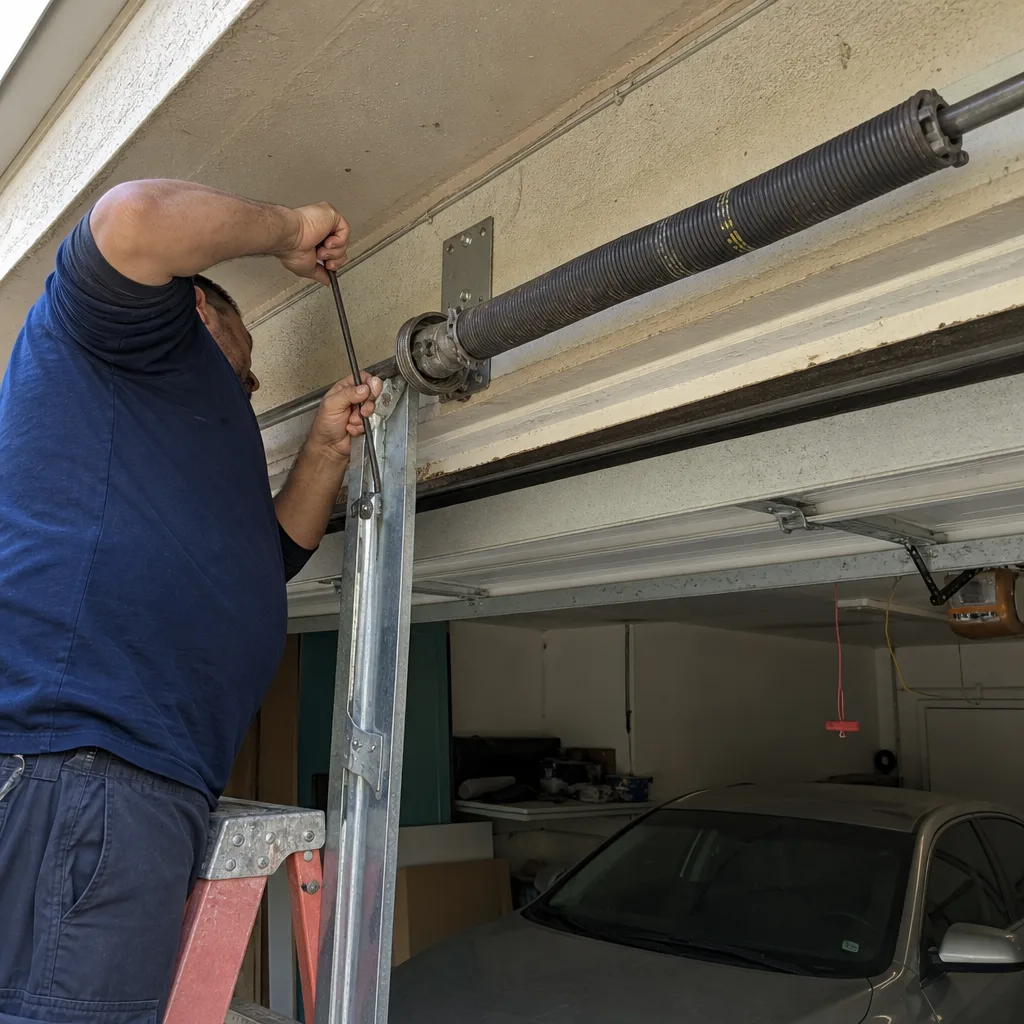
Spring tension loss in cold snaps. Here’s the failure pattern we see in Orlando every February: a cold front drops nighttime temperatures into the 30s or 40s for several days. Homeowners who haven’t operated the door in 24 to 48 hours press the opener. The door lifts two feet, struggles, and either reverses or stalls. That’s a torsion spring that had been slowly losing tension through the fall, and the cold air finished it off. Metal contracts in cold temperatures. If the spring was already near the end of its service life (typically 10,000 cycles, which for a door opened twice daily is about 7 years in the Orlando area), the additional contraction is the breaking point. You cannot adjust torsion spring tension yourself. It’s the most dangerous component in the entire door system. What you can do in November is listen. With the door closed, run the opener and listen to the first three feet of the lift. A healthy spring makes a steady mechanical sound. A failing spring makes a creaking or settling sound, like metal rubbing under tension. If you hear that, call us before the cold snap does its work.
Roller replacement in the dry season. Garage door rollers in Orlando wear out on a predictable cycle depending on material. Plastic rollers last four to six years. Steel rollers with ball bearings last eight to twelve. Nylon rollers with sealed bearings last longer, but the nylon shell can develop hairline cracks in dry air after five years. November through March is the smart time to replace worn rollers because the lower humidity keeps the new hardware cleaner during installation and the door runs effortlessly when the tracks aren’t fighting rust from wet-season corrosion. If you hear a grinding or rumbling sound when the door operates, that’s almost certainly a roller that has gone flat or seized. Roller replacement is a fast fix for our team, and we do it inside a standard Garage Door Repair in Orlando service call.
Lubrication schedule. In November, apply lubricant to the moving metal-on-metal contact points: the hinges, the end bearings, the lock mechanism, and the torsion spring. Use a lithium-based or silicone spray specifically formulated for garage doors. WD-40 is not a lubricant; it’s a solvent and will strip the existing coating. Avoid lubricating plastic rollers or bushings, which are self-lubricating and collect grime when sprayed. One lubrication in November carries most doors through March.
Year-Round UV Damage on Panels and Paint in Central Florida
Orlando sits at roughly 28.5 degrees north latitude, which puts the sun nearly directly overhead for much of the year. The UV index regularly reaches 10 to 11 during summer afternoons, classified as extreme by the EPA. For a garage door that faces west or south, the panels take direct sun for six to eight hours a day, every day, year-round. No paint or composite surface in the world handles that indefinitely.
Painted steel panels. Factory-applied paint on steel garage doors carries a warranty, but in the Orlando climate that warranty is a technicality. We see painted steel doors in neighborhoods like Baldwin Park and Windermere that show visible chalking, fading, and early-stage surface rust after six to eight years of southern or western exposure. The chalking is the pigment breaking down under UV radiation. Once the paint loses integrity, the steel substrate starts oxidizing. The rust starts at the micro level along panel edges and the bottom rail where water pools after rain. We recommend inspecting the panel edges every September, at the end of the wet season, and touching up any chips or scratches immediately with matching automotive-grade paint. A $15 touch-up early saves a $1,200-plus panel replacement later.
Wood-composite doors. Wood-composite panels, common on carriage-style doors in established Orlando neighborhoods, handle UV differently. They don’t rust, but the top laminate or painted surface separates from the composite core as the adhesive breaks down under heat and UV. Once delamination starts, water enters the gap, and the panel begins to swell. The cosmetic damage is often irreversible. For wood-composite doors, annual inspection of the panel edges and immediate attention to any lifting or peeling at the seams is the only practical prevention. We finish every Garage Door Installation in Orlando with guidance on UV maintenance specific to the panel material, because a new door in this climate starts aging on day one.
One practical note for painted doors: if you’re repainting, darker colors absorb more heat than lighter colors and accelerate panel degradation and interior garage temperatures. In Orlando’s summer, a dark-door garage can run 10 to 15 degrees hotter inside than a white-door equivalent. That heat affects everything stored in the garage and puts additional thermal load on the opener motor. The color choice is a cosmetic decision, but it has operational consequences worth knowing about before you choose.
The 15-Minute Monthly Checklist Every Orlando Homeowner Should Run
You don’t need to obsess over the garage door daily. A 15-minute monthly walk-around catches most problems while they’re still cheap fixes. Run this sequence every month, starting at the door and working your way around:
- Balance test: Disengage the opener using the release cord and manually lift the door to halfway. Release it. It should stay in place. If it drops, spring tension needs professional attention.
- Safety sensor test: With the door open, wave an object through the beam path near the floor while the door closes. The door should reverse immediately. Test both sensors.
- Sound check: Run the door through a full cycle while standing inside the garage. Note any new grinding, scraping, thumping, or hesitation. A change in sound is always meaningful.
- Track and hardware visual inspection: Look at the track bolts, the brackets holding the tracks to the wall, the hinges, the cables, and the spring. Anything loose, rusted-through, cracked, or misaligned warrants a closer look.
- Bottom seal check: Close the door and inspect the seal from inside. Daylight tells you rain and insects have a path in too.
- Opener force setting: If your opener has a force adjustment, run the door and note whether it struggles. Most openers self-adjust, but older units may need a manual tweak. If you’re unsure, leave this step out and mention it during your next professional visit.
For homeowners in HoA communities that enforce exterior appearance standards, keeping the door clean and properly painted is also a compliance issue, not just a maintenance one. The monthly checklist covers functional condition; the spring and fall checklists cover the seasonal Orlando-specific work.
Common Mistakes to Avoid
- Lubricating the tracks. We already said it, but it bears repeating because so many Orlando homeowners do this every season. Grease on tracks collects dust, hardens, and causes worse drag than it prevents. Lubricate the rollers and hinges, never the track channel itself.
- Ignoring a noisy door. A door that squeals, grinds, or pops is running a countdown timer. The noise is a mechanical component telling you it’s about to fail. In our experience, half the calls we get in Orlando could have been avoided if the homeowner had scheduled service when the noise first appeared, not when the door stopped moving.
- Test-opening the door during a hurricane watch. You don’t need to check the door one last time before the storm arrives. Every cycle of the door in the hours before a storm is one more cycle on components that might already be marginal. Leave it closed once the watch is issued.
- Using WD-40 as a garage door lubricant. It’s a penetrating solvent, not a lubricant. It strips existing lubrication and leaves metal surfaces dry. Use a garage-specific lithium or silicone spray.
- DIY torsion spring work. We can’t emphasize this strongly enough. Torsion springs store enough energy to cause fatal injuries when improperly released. There is no safe YouTube tutorial for this repair. Call a professional who carries the right winding bars and knows the correct spring sizing for your specific door weight.
- Neglecting the opener during wet season. Orlando homeowners often think of the opener as a sealed unit that doesn’t need attention. The motor housing vents, the wiring connections, and the wall button all experience the same humidity as the rest of the garage. Check the opener every time you run the monthly checklist.
- Painting over rust without treating it. Rust never stops on its own. Painting over surface rust seals it in and gives it a protected environment to spread. Treat with a rust converter or sand to bare metal before repainting, especially on the bottom panel edge.
When to Call a Professional
Some garage door work is genuinely for homeowners: the monthly inspection, lubrication, seal replacement, and keeping the tracks clean. Other work is genuinely not. Call a professional if the door is off-balance or heavy to lift manually, if you hear grinding sounds that persist after lubrication, if a cable appears loose or detached, if the opener runs but the door doesn’t move, or if you see visible damage to any spring. These are not DIY jobs, and in Orlando’s climate, small problems become big ones within a single season.
Carriage Garage Door Repair offers free estimates to homeowners throughout the Orlando area. Call (855) 596-4175 and we’ll assess the door, identify the specific problem, and give you a written price before any work begins.
Frequently Asked Questions
Once a year is the right cadence for most Orlando homes, ideally at the end of the dry season in March or April before the wet season starts. A professional inspection catches spring tension loss, track misalignment, and opener wear that aren’t visible or audible to the homeowner during routine use. If your door gets above-average use or faces west in full sun, twice a year may make sense.
If your door is not wind-rated and your home was built before the Florida Building Code required wind-rated openings, bracing or a door replacement may be the only option to protect the home in a direct hit. Orlando is inland, so the wind speeds are lower than coastal areas, but tornadic winds and the outer bands of major storms have damaged and destroyed non-rated doors here. Have the door inspected for a wind rating label and the condition of its reinforcement struts before peak storm season.
Homeowners performing their own seasonal maintenance spend roughly $30 to $60 per year on silicone spray, a new bottom seal, and touch-up paint. Professional seasonal service calls in the Orlando market typically run $89 to $149 for a full inspection, lubrication, balance check, and safety system test. Repairs found during that service are quoted separately and agreed before any work is done. Call (855) 596-4175 for an exact quote.
Cold air contracts the metal in the tracks, hinges, and springs, which tightens clearances and amplifies any existing wear. The noise itself is usually a roller that was already marginal or a spring that was already losing tension, and the cold snap just made it audible. If the noise continues after the weather warms back up, have the rollers and spring inspected before it becomes a bigger failure.
Panels are technically removable and replaceable, but the job requires disassembling the door under tension, and connecting new panels to existing hinges and rollers without proper alignment leads to immediate operational problems. Unless the door is a lightweight single-panel model and you have the mechanical experience, it’s a job for a technician. A mismatched panel also throws off the door’s weight balance, which stresses the springs and opener.
In most cases, no. A 10-year-old opener in Orlando has survived a decade of humidity-driven board stress and heat. When an opener that age fails, the repair cost often approaches half the cost of a new unit, and the remaining components are all the same age. For homes with Genie or Chamberlain openers from that era, we’ll give you an honest comparison of repair versus replacement costs so you can decide with numbers in hand. Call (855) 596-4175 and we’ll walk through it.
The Bottom Line
Orlando’s climate punishes garage doors in three distinct ways: wet-season humidity attacks the seal, the tracks, and the opener electronics; hurricane season tests the structural integrity of the door as a wall; and the dry season’s cooler temperatures finish off springs and rollers that were already marginal. A homeowner who runs the monthly 15-minute checklist, prepares for storms in August, lubricates in November, and has a professional inspection each spring can avoid most of the failures that strand cars and ruin stored belongings. The alternative is a surprise breakdown at the worst possible moment. Carriage Garage Door Repair handles all of it: repair, opener repair, and full installation across the brands you drive, including Wayne Dalton and Raynor. Call (855) 596-4175 for a free estimate in Orlando. We’ll tell you whether repair or replacement makes more sense, and quote you a price before any work starts.
Written by the team at Carriage Garage Door Repair, serving Orlando since 2016.
See the difference
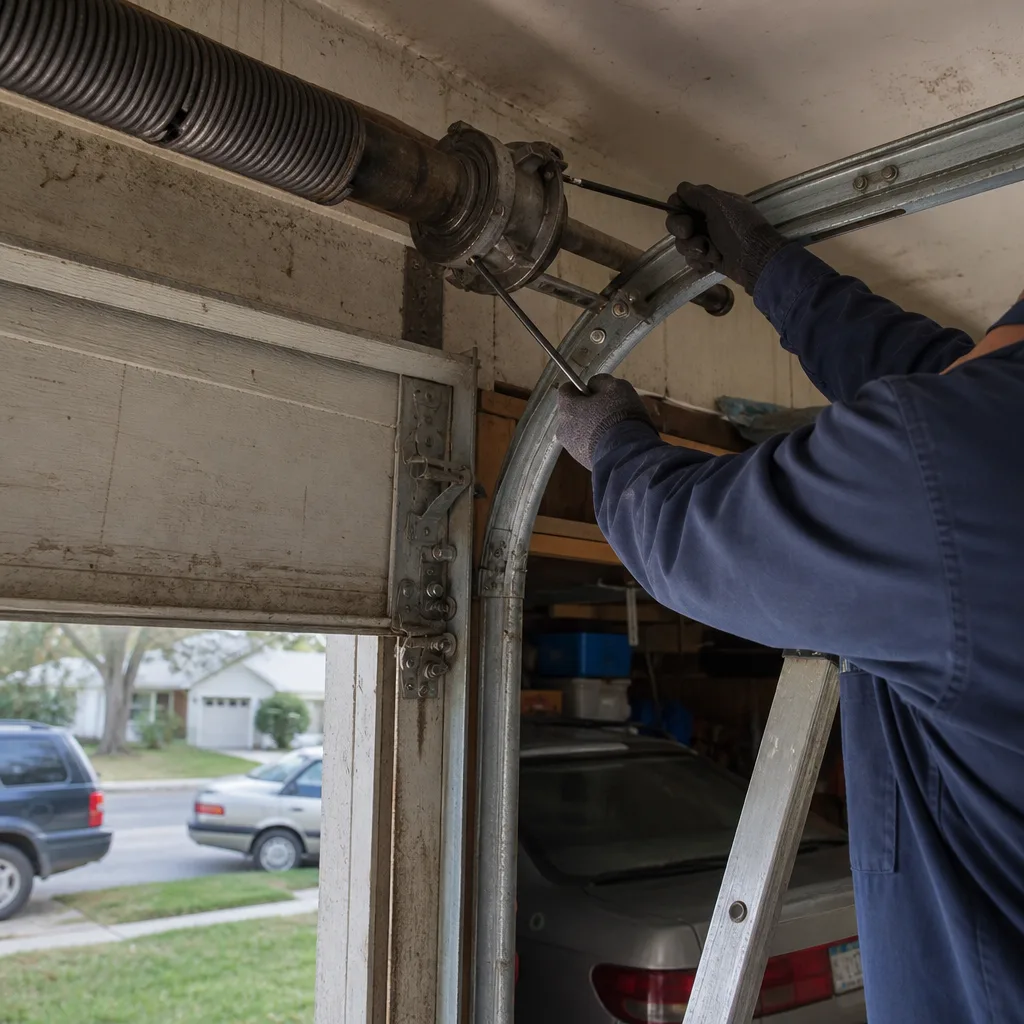 Before
 After
 Before
 After
 Before
 After