
Last updated October 30, 2026
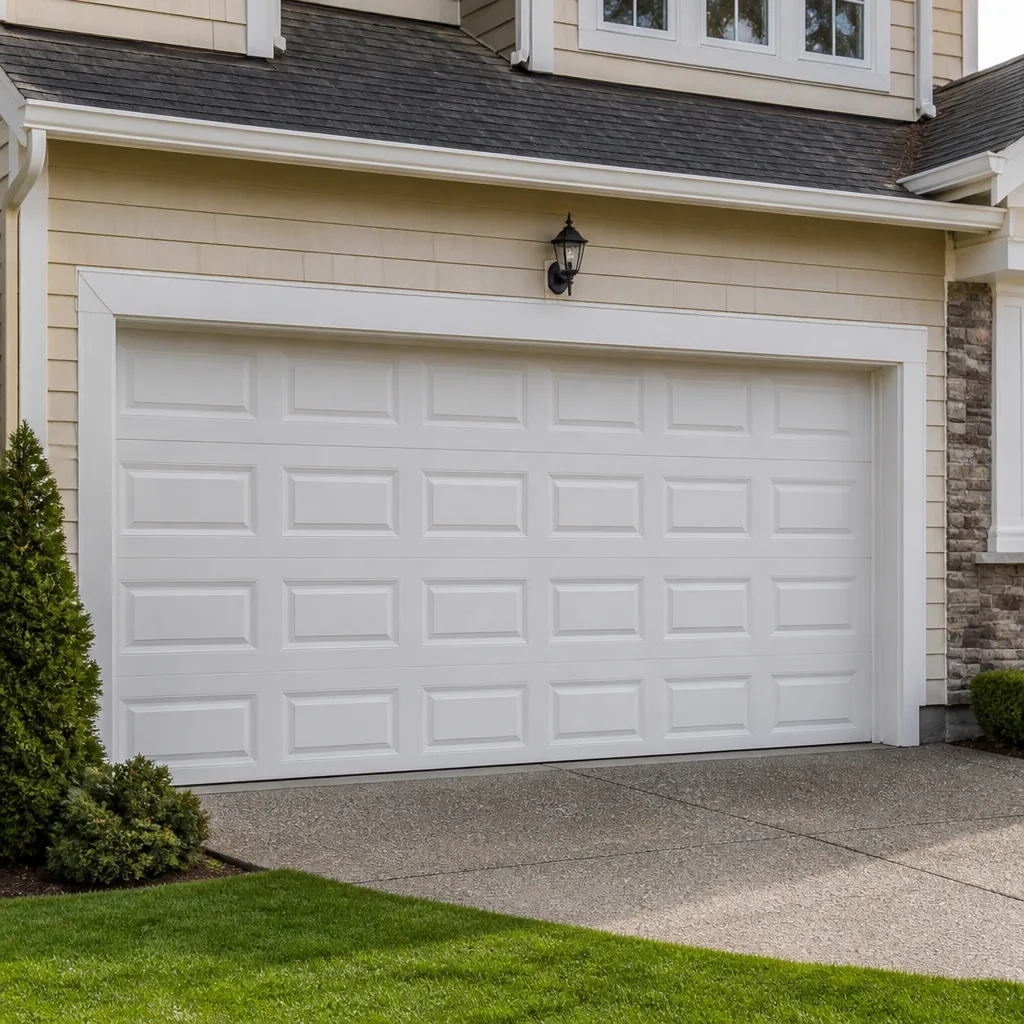 Raised-panel steel
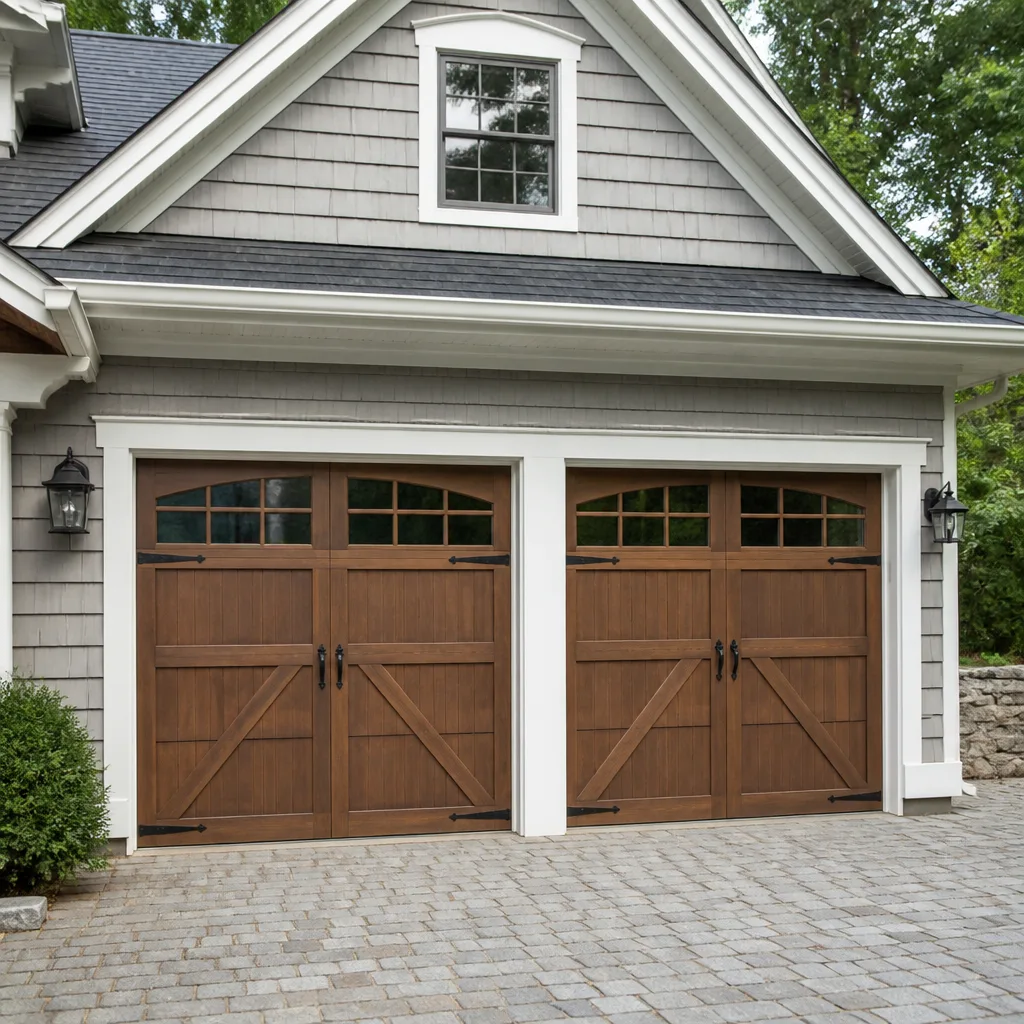 Carriage house
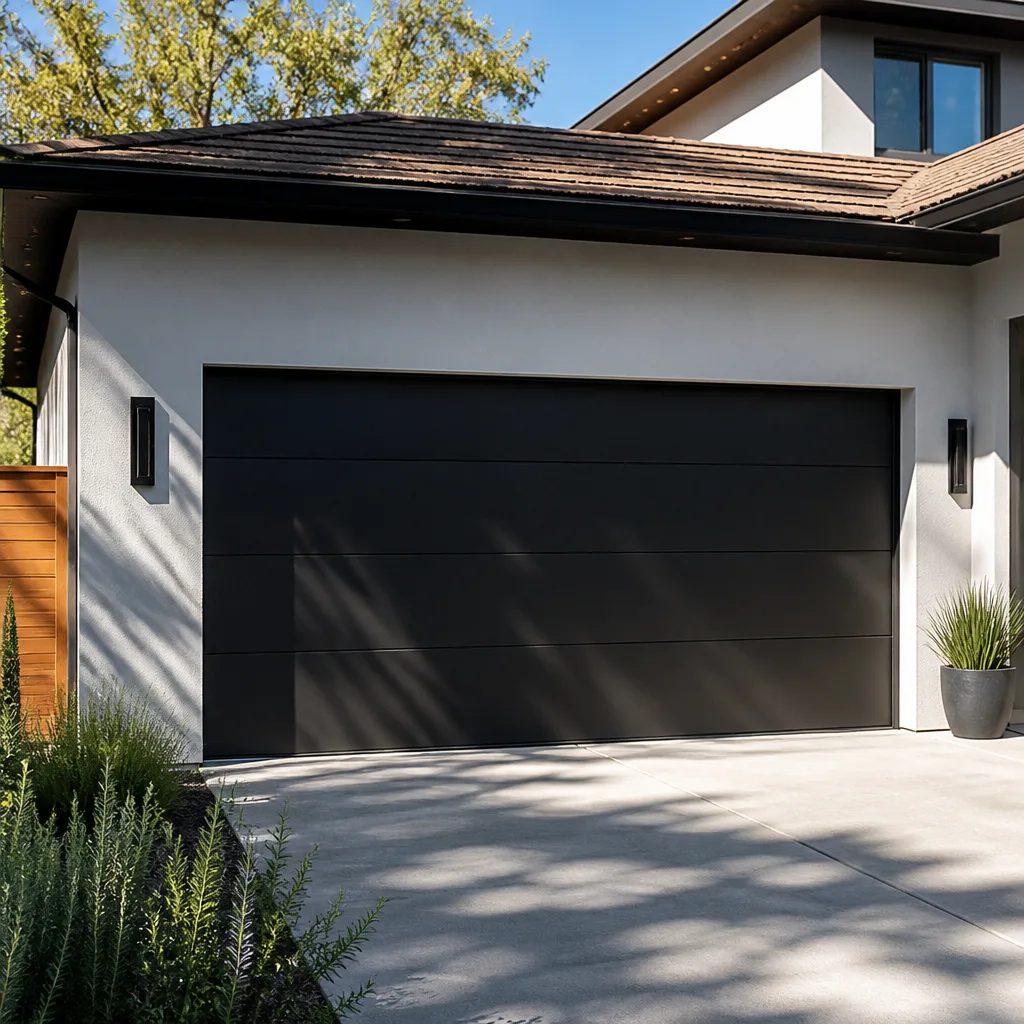 Modern flush
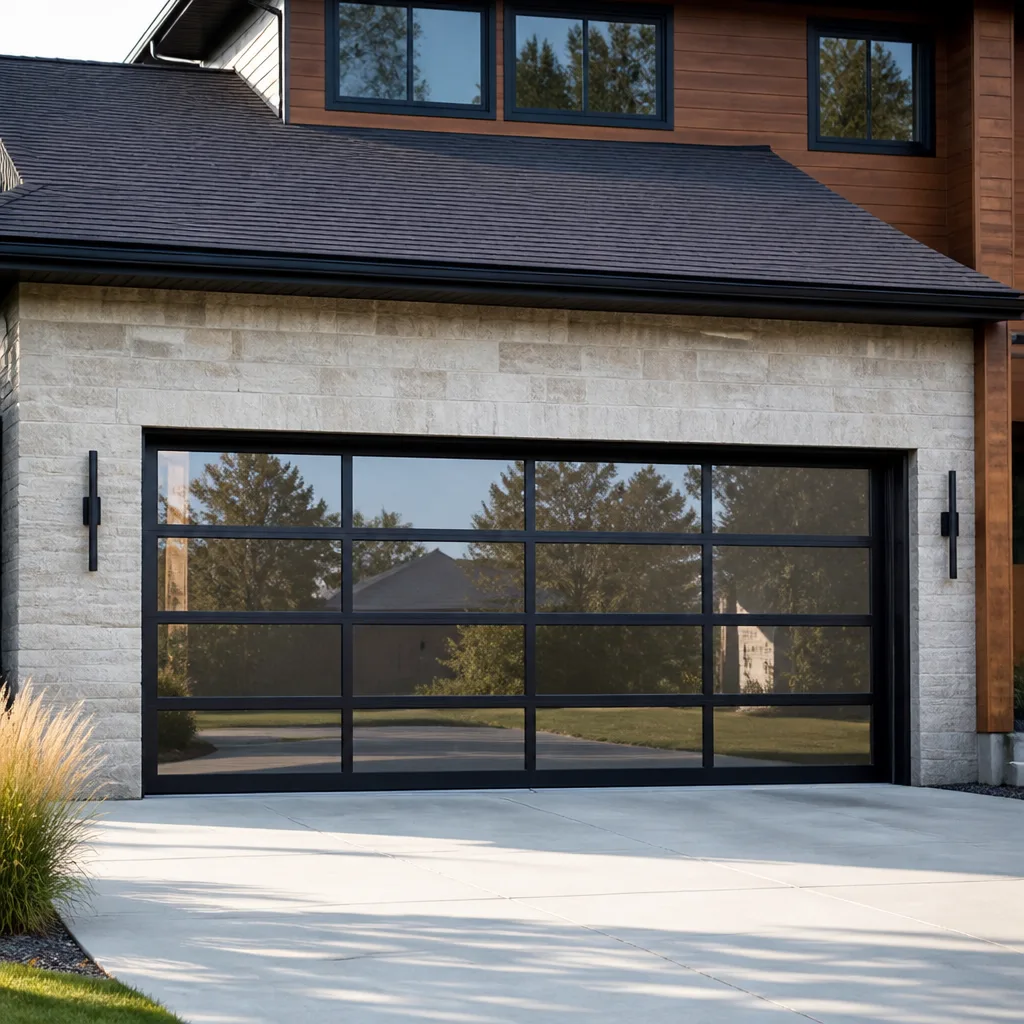 Full-view glass
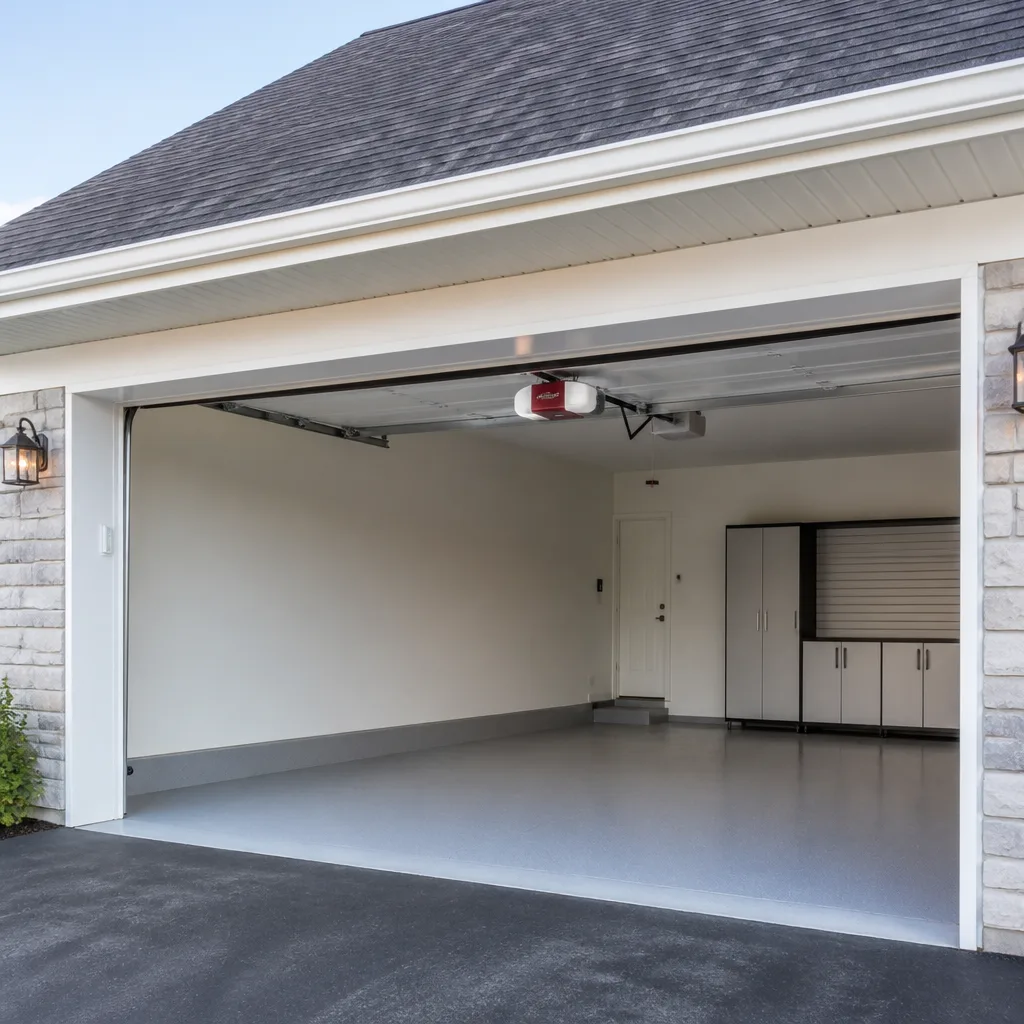 LiftMaster openers
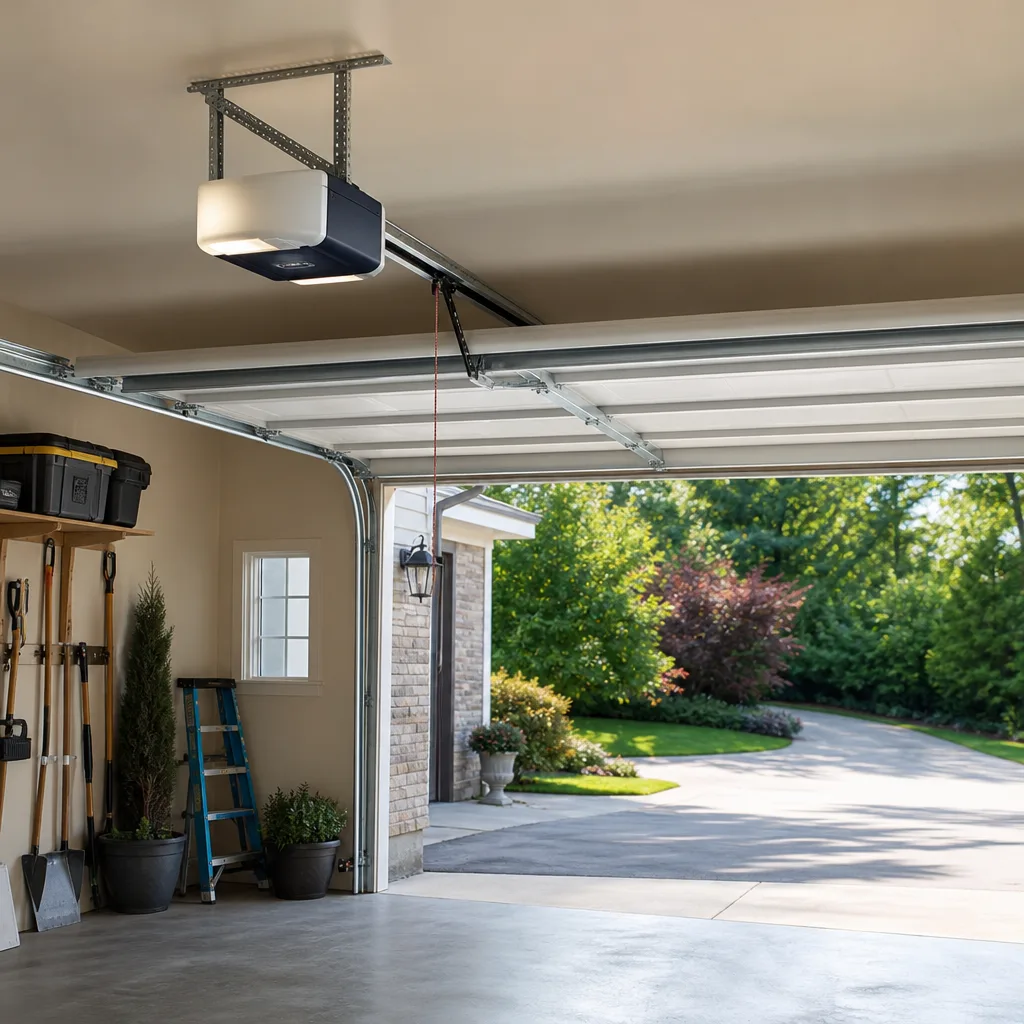 Chamberlain openers
Full 25-point door and opener safety check with every visit - springs, cables, rollers, tracks, and your LiftMaster or Chamberlain opener included
You get a price before we start. It does not change when the truck arrives.
Get your free estimateGarage Door Permits, Codes & Inspections in FL: What You Need to Know
An unpermitted garage door installation in Florida isn’t just a code violation. It’s a document your insurance adjuster can use to deny a hurricane damage claim. Most Orlando homeowners don’t discover this until it’s too late – either standing in a flooded garage after a storm or sitting at a closing table with a buyer’s inspector shaking his head. Florida’s building code treats your garage door as part of the home’s structural wind-resistant envelope, which means the paperwork matters as much as the installation itself. This guide covers what actually requires a permit, how wind-load compliance works, what inspectors check, and how to fix problems left behind by a previous owner. For more guides & resources, visit our blog.
Styles & brands we work with
Quick Answer
Most garage door replacements in Florida require a permit because the door is classified as a structural component subject to wind-load requirements under the Florida Building Code. Simple repairs – springs, rollers, cables, opener swaps – do not. If you’re in Orlando or anywhere else in the state, confirm the door is permitted and inspected before installation. Failure to do so can void insurance claims and stall a home sale.
Table of Contents
- When a Garage Door Permit Is Required in Florida
- When No Permit Is Needed: Repairs and Part Swaps
- Florida Building Code Section 1609: Wind-Load Requirements, Explained
- Orange County and Orlando: Local Enforcement in Practice
- How to Pull Your Own Permit History
- What Happens During a Florida Garage Door Inspection
- What Fails Most Often at Inspection
- Unpermitted Work and the 4-Point Insurance Inspection
- Common Mistakes to Avoid
- When to Call a Professional
- Frequently Asked Questions
- The Bottom Line
When a Garage Door Permit Is Required in Florida
The short version: any time the door itself comes off the tracks and a different door goes on, the state of Florida expects a permit. That’s true whether you’re installing a brand-new Clopay door on a new build or swapping a 1990s Wayne Dalton for something newer. A garage door is treated as part of the building envelope, and the Florida Building Code does not distinguish between “cosmetic” and “structural” door replacements.
In technical terms, Florida Building Code Section 105.1 requires a permit for any work that alters the structure, changes the exterior envelope, or modifies a component regulated by the code. A garage door checks all three boxes. It’s attached to the structure. It seals an opening in the envelope. And Section 1609 regulates it directly for wind resistance.
Here’s what typically triggers a permit requirement in Orlando and throughout Florida:
- Full door replacement. Old door off, new door on. This is the big one.
- New installation in an existing opening. Even if there was never a door there before, adding one requires a permit.
- Enlarging or modifying the opening. Resizing the rough opening changes the structural framing and requires plans.
- Switching door types. Replacing a solid wood door with a steel door, or changing from a standard door to a hurricane-rated door, changes the structural profile.
- Adding or replacing mullions or transom panels above the door. These alter the opening dimensions and load path.
If a contractor tells you a permit isn’t needed for a full door replacement, that’s a red flag. Some will offer to do the work cheaper without one. The savings rarely survive the first insurance claim or resale inspection. In our experience across Orlando, homeowners who discover unpermitted doors at the worst possible moment almost always wish they’d handled it up front. Knowing the Garage Door Warning Signs: A Orlando Homeowner’s Reference Guide can help you spot trouble early.
When No Permit Is Needed: Repairs and Part Swaps
Florida draws a clear line between replacing a door and repairing one. Repairs that restore the existing door to its original condition generally don’t require a permit. The logic is simple: you’re not changing the structural profile, the wind-load rating, or the envelope. You’re fixing what’s already there.
Work that typically falls into the no-permit category includes:
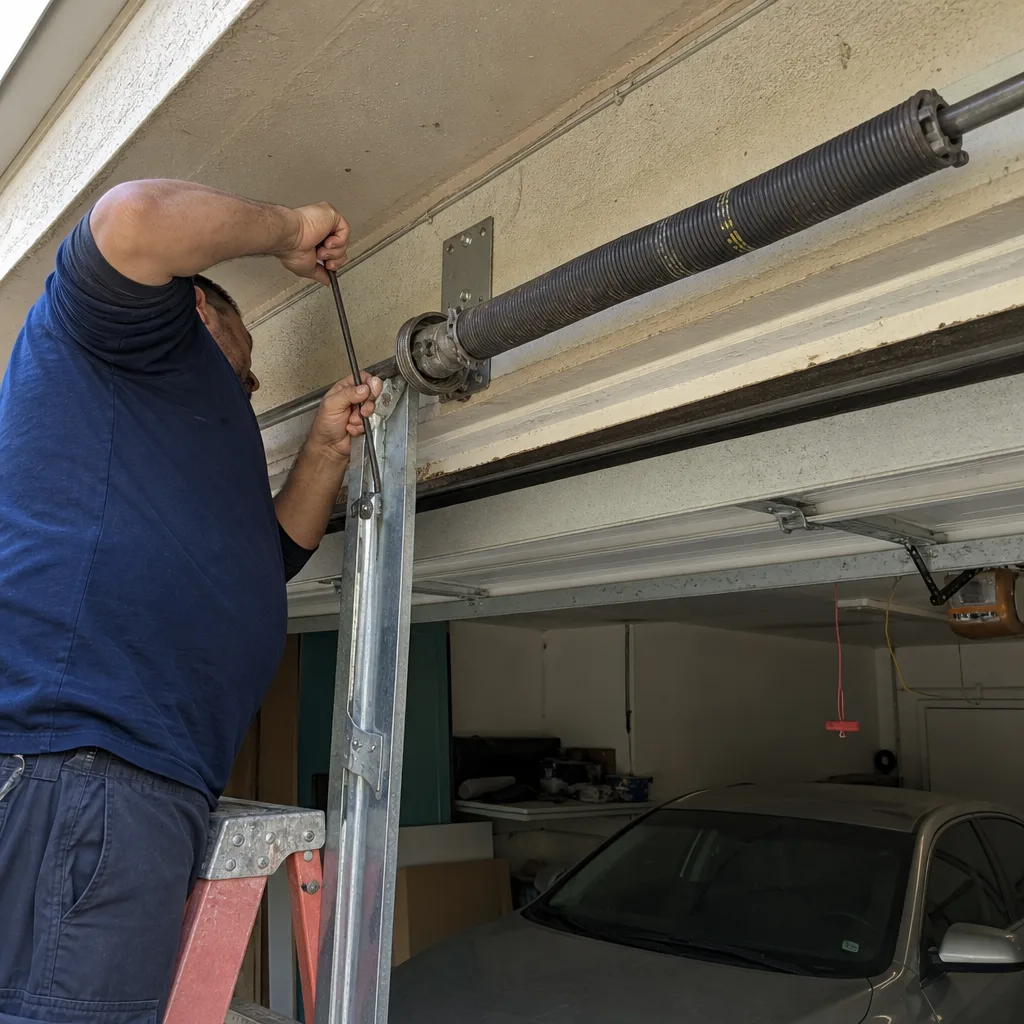
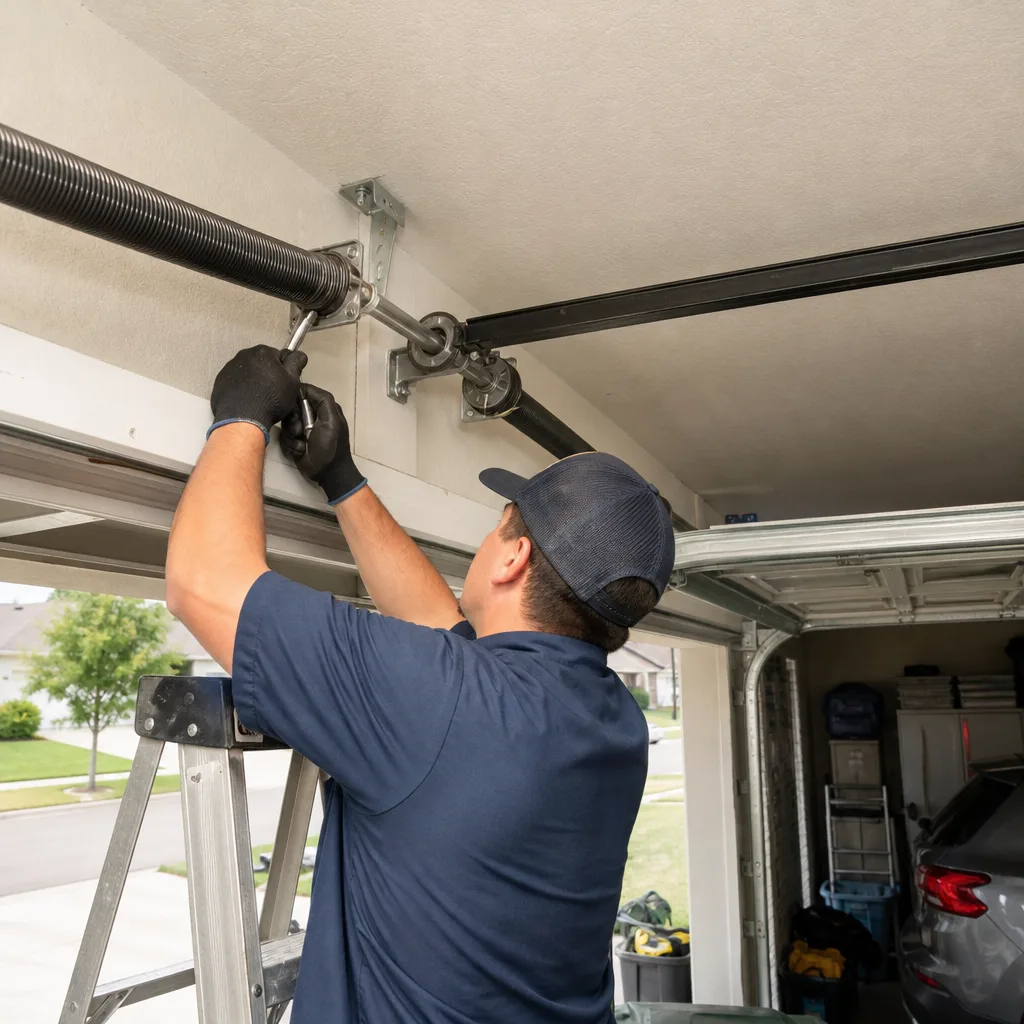
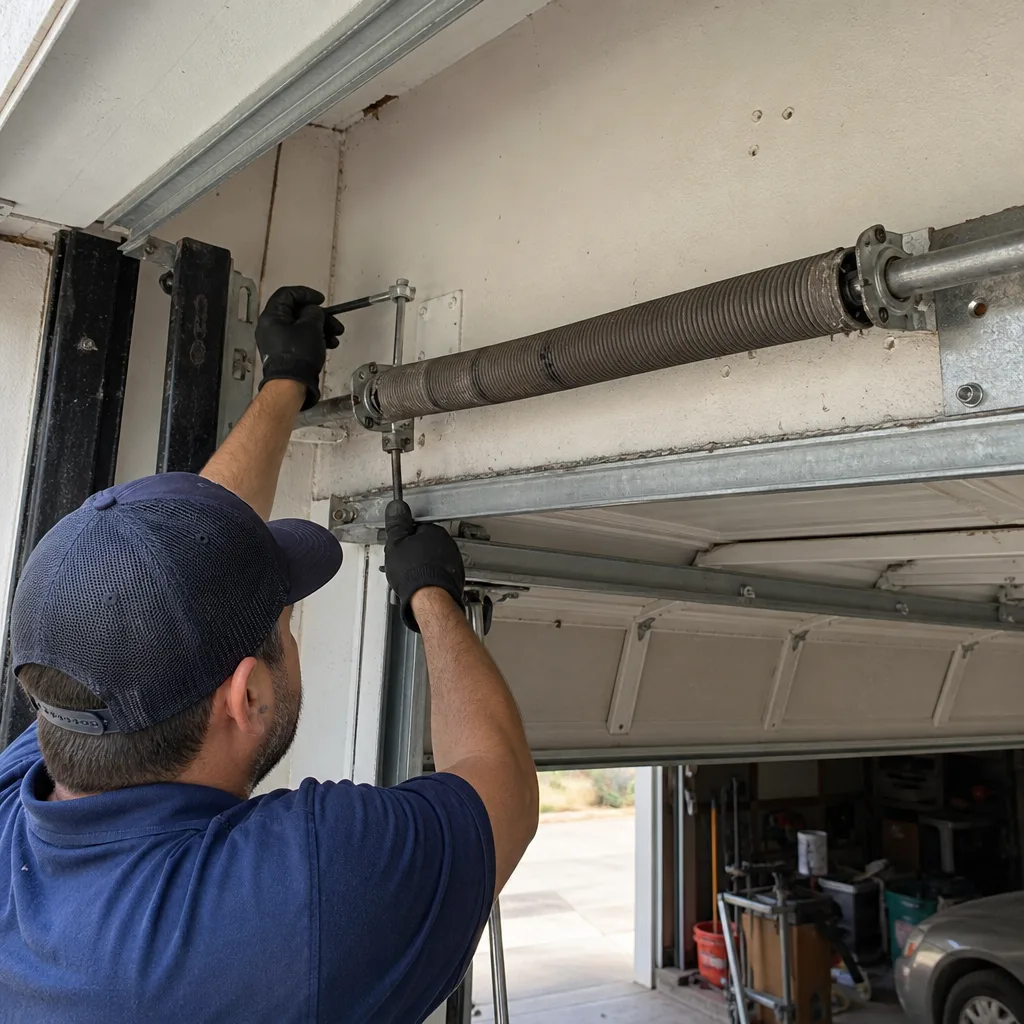
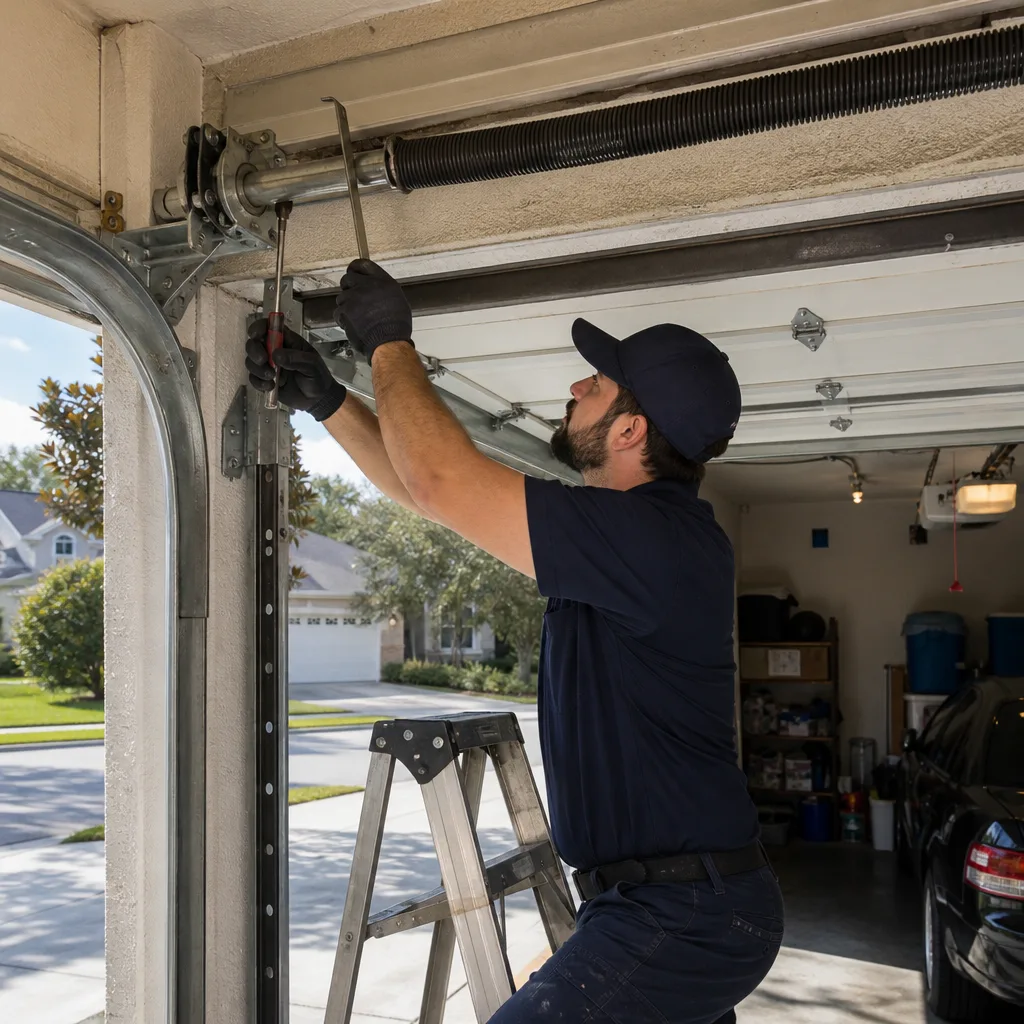
- Spring replacement. Torsion or extension springs are wear parts, not structural components. Replacing them requires no permit. It does, however, require skill – torsion springs under tension can cause serious injury. Never attempt this without proper training and tools.
- Cable replacement. Broken lift cables are repaired as part of normal maintenance.
- Roller and hinge replacement. Wear items that don’t change the door’s structural rating.
- Track realignment. As long as the tracks remain in their original configuration.
- Opener replacement. Replacing a LiftMaster opener with a new Chamberlain unit, for example, doesn’t require a permit. The opener is mechanical equipment, not part of the structural envelope. We specialize in opener-specific repair across all major brands – Genie, Craftsman, Raynor, and the rest – precisely because openers have their own failure patterns that door-only shops often misdiagnose.
- Panel replacement. This one depends on the municipality. Replacing a single damaged panel on an Amarr door with an identical panel usually doesn’t need a permit in Orange County, but it’s worth confirming with the local building department. If the replacement panel changes the door’s weight or wind rating, you may be back in permit territory.
- Photo-eye sensor and safety reversal adjustments. These are maintenance items, not structural changes.
The practical takeaway: if the door stays in place and you’re fixing what’s broken, you’re almost certainly fine. If the door comes down and a new one goes up, you need paperwork.
Florida Building Code Section 1609: Wind-Load Requirements, Explained
Florida’s wind-load requirements exist because the state has been flattened by enough hurricanes to know exactly what happens when a garage door fails. A garage door is the largest single opening in most homes. When wind pressure blows it inward during a storm, the sudden pressurization of the garage can lift the roof off the house. This isn’t theoretical – it’s a documented failure pattern from Hurricane Andrew in 1992, which is precisely why Florida’s code became what it is today.
Florida Building Code Section 1609 governs wind loads on structures. For garage doors, the key provisions are:
- Design wind speed. Orlando falls within a design wind speed zone of 105 to 130 mph depending on the exact location and risk category. A door installed in Orange County must be rated for the windspeeds specific to that property’s parcel.
- Wind-borne debris region. Most of Florida, including Orlando, is classified as a wind-borne debris region. That means the door must either be impact-rated or protected by a rated storm shutter system.
- Product approval. The door must carry a Florida Product Approval number, which certifies that the manufacturer tested the door to the applicable ASTM standards for wind pressure and impact resistance.
- Prescriptive vs. engineered. Some installations qualify under prescriptive code provisions, which use standardized tables. Others require site-specific engineering calculations. The determining factors include door size, height above ground, and exposure category.
What this means in practical terms: you can’t just buy any garage door online and have it installed in Orlando without checking the rating. A door approved for, say, a home in a 110 mph zone may be inadequate for a property in a 130 mph zone. The building department verifies this at the inspection stage by checking the product approval against the permit application.
For homeowners, the takeaway is that “any door fits any opening” is a dangerous assumption. Brand-specific knowledge matters here. A Wayne Dalton door line has different wind-rating options than an Amarr line, and selecting the right panel configuration for your specific exposure requires understanding both the product catalog and the code requirements for your parcel.
Orange County and Orlando: Local Enforcement in Practice
Orlando sits in Orange County, and the county handles building permits for most of the area, including the unincorporated parts. The city of Orlando also issues its own permits within city limits. Both enforce the Florida Building Code, but there are procedural differences worth knowing.
What we see in practice across Orlando’s neighborhoods – from College Park and Thornton Park to Dr. Phillips and Avalon Park:
- Orange County requires a permit for all full door replacements. The county building division is explicit about this. The permit fee for a residential garage door replacement typically runs between $50 and $150 depending on the valuation of the work, but the exact number varies by jurisdiction and project scope. Always confirm the current fee schedule with the issuing office.
- Inspections are scheduled after installation. The installer completes the work, then calls in the inspection. The inspector verifies the installed door matches the permit and the product approval on file.
- Online portal access. Both Orange County and the City of Orlando have online permitting portals where you can search for permits by address. This is how you verify a previous owner’s work, which we cover below.
- Older homes have more issues. Orlando has a large inventory of homes built in the 1970s through the 1990s, many with original garage doors that were installed long before current wind-load requirements existed. When those doors get replaced, the new door must meet current code, even if the rest of the house doesn’t.
One practical note for Orlando homeowners: if you’re replacing a garage door as part of preparing a home for sale, pull the permit history before listing. Buyers’ inspectors are increasingly asking for garage door permits specifically, and a clean record makes the transaction smoother.
How to Pull Your Own Permit History
If you bought your home in Orlando and don’t know whether the previous owner permitted the garage door, you can find out. It’s free, it takes about ten minutes, and it removes a lot of uncertainty. Here’s the process:
- Identify your jurisdiction. Determine whether your property falls within the City of Orlando or unincorporated Orange County. This matters because they use separate systems. Your property tax record or a quick check on the property appraiser’s website will tell you.
- Access the permitting portal. The City of Orlando uses one online portal; Orange County uses another. Both allow anonymous property searches by address. You don’t need to create an account to search.
- Enter your address and search permits. Look for any permit with a description containing “garage door” or “door replacement.” The search will return all permits ever issued for the property, along with their status, dates, and whether they passed final inspection.
- Check the inspection status. A permit that was issued but never had a final inspection is effectively the same as no permit. The work wasn’t verified. This happens more than you’d think – a contractor pulls the permit, does the work, and never calls for the final inspection.
- If nothing shows up, the door likely wasn’t permitted. That doesn’t automatically mean the installation is unsafe, but it does mean there’s no paper trail and no inspection record. That’s the gap insurance companies and home inspectors key on.
If you discover an unpermitted door, don’t panic. The solution is usually a retroactive permit, which involves having the door inspected for compliance with current code. If it passes, the permit history gets updated and the paper trail is restored. If it doesn’t pass, you’ll need to address whatever the inspector flags before the permit can be closed out. Either way, fixing the paperwork before you need it is always cheaper than dealing with it during a claim or a sale.
What Happens During a Florida Garage Door Inspection
After a permitted installation, the installer calls in the inspection. A building inspector visits the property and verifies that what was installed matches what was approved. The inspection typically takes 15 to 30 minutes. Here’s what the inspector is checking:
- Product approval match. The inspector verifies the installed door matches the Florida Product Approval documentation submitted with the permit. This includes the manufacturer, model line, and wind-rating. If you permitted an Amarr door and installed a different model, the inspector will flag it.
- Structural attachment. The door’s track brackets and jambs must be anchored per the product approval and code requirements. In Florida’s wind-borne debris region, this typically means specific fastener types and spacing.
- Wind-load compliance. The inspector confirms the door is rated for the design wind pressure for that specific location. The approved plans will specify the required rating, and the inspector checks the door’s labeling against it.
- Safety systems. The photo-eye sensors at the bottom of the door must be installed and functional. The auto-reverse mechanism must engage when an obstruction is present. These aren’t just code requirements – they’re also matters of homeowner safety that we consider non-negotiable on every installation we perform.
- Door balance and operation. The inspector opens the door manually to verify it’s balanced and operates smoothly. A door that strains or slams is a red flag.
- Weather sealing and flashing. The inspector checks that the door seals properly against wind-driven rain and that any flashing integrates correctly with the surrounding wall assembly.
Most inspections pass on the first visit when the installation was done correctly. The failures we see tend to fall into predictable categories, which we cover next.
What Fails Most Often at Inspection
Having seen hundreds of inspections across Orlando, we can tell you exactly what trips people up. These are the recurring failures:
- Wrong product approval paperwork. The contractor says they’re installing one door, gets the permit, then installs something different because it was in stock. The inspector catches the mismatch immediately.
- Inadequate anchoring. The tracks are attached with generic wood screws instead of the specified fasteners. In a wind event, this is the difference between a door that holds and a door that becomes a projectile.
- Missing or misaligned photo-eye sensors. The sensors must be mounted no higher than six inches off the floor and must align properly. This is one of the most common call-backs.
- Incorrect door balance. A door that’s heavier on one side or doesn’t stay in position when opened halfway indicates improper spring tension. The inspector will flag it, and they’re right to – an unbalanced door wears out rollers and opener gears prematurely.
- Non-compliant door for the wind zone. The installed door is rated for a lower windspeed than the property requires. This is more common with DIY or handyman installations where no one checked the product approval in the first place.
- Failed final inspection paperwork. The work passed inspection, but the contractor never submitted the final sign-off. This is a paperwork failure, not an installation failure, but it creates the same problem: no verified permit on record.
The pattern here is consistent. Installations fail inspection for reasons that could have been avoided by doing the homework before the door ever came off the truck. That’s the diagnosis-first approach we outline in our Garage Door Repair Troubleshooting: Common Problems and How to Fix Them – the same reason we invest in brand-specific training across LiftMaster, Chamberlain, Genie, Clopay, Amarr, Wayne Dalton, Craftsman, and Raynor. The right diagnosis the first time prevents the call-back entirely.
Unpermitted Work and the 4-Point Insurance Inspection
Here’s the scenario most Orlando homeowners never anticipate: you’ve lived in your house for eight years, the garage door works fine, and then your insurance company sends a letter announcing a 4-point inspection as a condition of renewal. The inspector arrives, checks the roof, the electrical, the plumbing, the HVAC – and the garage door. And there’s no permit on file for it.
A 4-point inspection is a risk assessment tool Florida insurers use to evaluate older homes. The four points are roof, electrical, plumbing, and HVAC. So where does the garage door fit? It doesn’t officially – but inspectors increasingly note unpermitted work as an addendum, and underwriters increasingly care. The garage door is the largest opening in the home’s wind envelope, and if the insurer can’t verify it meets wind-load requirements, they have grounds to either deny coverage, exclude the door from coverage, or require a wind mitigation inspection before renewal.
What unpermitted work can cost you in Florida:
- Insurance denial or non-renewal. The most severe outcome. If a storm claim involves garage door damage and the insurer determines the door was never permitted or inspected, they may deny the claim on the grounds that the unverified work contributed to the loss.
- Remediation costs. Retroactive permitting typically costs $150 to $400 in fees plus whatever repairs or corrections the inspection requires. If the door fails wind-load verification, you may be looking at a full replacement.
- Closing delays. A buyer’s inspector flags the unpermitted door. The buyer asks for it to be fixed before closing. The closing date slips while the seller scrambles to pull a retroactive permit and schedule an inspection. This is one of the most common transaction snags we hear about from Orlando real estate agents.
- Reduced appraised value. If the unpermitted work is significant enough, an appraiser may note it and adjust the valuation.
The takeaway: an unpermitted door is a latent liability. It sits there quietly for years, doing its job, and then surfaces at the worst possible moment – during hurricane season, at renewal time, or in escrow. If you suspect your door was installed without a permit, address it now, on your schedule, not when someone else’s deadline forces your hand.
If you’re planning to replace a garage door in Orlando and want the installation handled properly from permit to final inspection, the Garage Door Installation in Orlando service is built around that full arc. And if an existing door is failing and you need to know whether repair makes more sense than replacement, Garage Door Repair in Orlando covers the diagnostic side. For opener-specific issues – motor failures, circuit board problems, safety sensor faults – Garage Door Opener Repair in Orlando is the dedicated service.
Common Mistakes to Avoid
- Believing the contractor who says “you don’t need a permit for this.” Some contractors genuinely don’t know better. Others do and are cutting corners. Either way, the liability lands on you, not them. Confirm the permit requirement directly with the issuing jurisdiction.
- Buying a door online without checking the Florida Product Approval. A door sold in Ohio or Texas hasn’t been tested for Florida’s wind-borne debris requirements unless it carries a Florida-specific product approval. A bargain door that fails inspection isn’t a bargain.
- Assuming a permit was pulled because the work looks professional. Clean work can still be unpermitted work. Pull the permit history yourself – it takes ten minutes and removes the guesswork.
- Ignoring a permit that was pulled but never final-inspected. An open permit is almost as bad as no permit. The work was never verified. Close it out before it becomes someone else’s problem.
- Replacing an opener and a door at the same time without separating the scopes. The door needs a permit. The opener doesn’t. But if they’re done as one project, the permit should cover the door portion properly. Blurring the line creates paper-trail confusion later.
- Waiting to verify permit status until after a storm claim. By then, it’s too late. The adjuster’s job is to find reasons to minimize payout, and an unpermitted door is an easy one.
- Skipping permits on rental properties. Landlords in Orlando sometimes assume the rules differ for investment properties. They don’t. The same code applies, and the same insurance consequences follow.
When to Call a Professional
Replacing a garage door in Florida is not a weekend DIY project. The permitting process alone involves product approval documentation, wind-load verification, and inspection scheduling. Our Garage Door Repair Maintenance Checklist for Orlando Homeowners walks through what to verify at each step. The installation involves heavy panels under spring tension, precise track alignment, and safety system calibration. A door that’s slightly off in its balance or anchoring won’t be obvious at first – but it will be obvious when the inspector shows up or the first strong storm rolls through.
Call a professional when the job involves a full door replacement, when you’ve discovered unpermitted work that needs retroactive permitting, when an inspection has already failed once, or when you’re unsure whether your existing door meets current wind-load requirements for your specific Orlando property. The right technician will walk you through the permit process, handle the paperwork, and stand behind the installation when the inspector arrives. Carriage Garage Door Repair offers free estimates in Orlando – call (855) 596-4175 to discuss your door’s permit status, condition, or compliance with current code.
Frequently Asked Questions
Yes, a permit is required for a full garage door replacement in Florida because the door is classified as a structural component subject to wind-load requirements under the Florida Building Code. Simple repairs like spring replacement, cable repair, and opener swaps do not require a permit. Call (855) 596-4175 if you’re unsure whether your project needs one.
Permit fees for residential garage door replacements in Orlando and Orange County typically range from $50 to $150 depending on the declared project valuation and the issuing jurisdiction, though exact amounts vary by authority and project scope. The total cost of a compliant installation includes the permit fee plus the inspection, which is included in the permit cost. For an exact quote on a permitted replacement, call (855) 596-4175 – estimates are free.
Orlando properties generally require a garage door rated for design wind speeds between 105 and 130 mph, depending on the specific parcel’s location, exposure category, and risk classification. The door must also carry a Florida Product Approval number if the property falls within the wind-borne debris region, which includes most of Orange County. A technician familiar with Florida code can determine the exact requirement for your address.
You can list it, but the unpermitted door will likely surface during the buyer’s inspection or the title company’s permit search, and it may delay or derail closing. Most buyers request that unpermitted work be resolved before settlement, which means retroactive permitting and possible remediation. Resolving it before listing is less expensive and less stressful than resolving it under a contract deadline.
You can fix the situation retroactively by applying for a permit through your local jurisdiction and having the installation inspected for compliance with current Florida Building Code requirements. If the door passes, the permit history is updated and the paper trail is complete. If it fails, the inspector will identify what needs correction before the permit can close out. Either way, fixing it now protects you from insurance and resale problems later.
No, replacing a garage door opener does not require a permit because the opener is mechanical equipment, not part of the structural envelope. Opener replacements involving LiftMaster, Chamberlain, Genie, Craftsman, Raynor, or any other brand fall into the repair category. If the opener replacement is bundled with a full door replacement, the permit covers the door portion only.
The Bottom Line
Florida treats your garage door as a structural component, not a simple appliance. That single fact explains everything else: why permits are required for replacements, why wind-load ratings matter, why inspectors show up to verify product approvals, and why unpermitted work creates insurance and resale liability. If your door was installed with complete paperwork and a passed final inspection, you’re protected. If it wasn’t, the fix is straightforward but time-sensitive – pull the permit history, confirm the door’s status, and address any gaps before you need them solved under pressure. A permitted, inspected, correctly installed door is the only kind that protects your home the way Florida code intends.
Written by the team at Carriage Garage Door Repair, serving Orlando since 2016.
See the difference
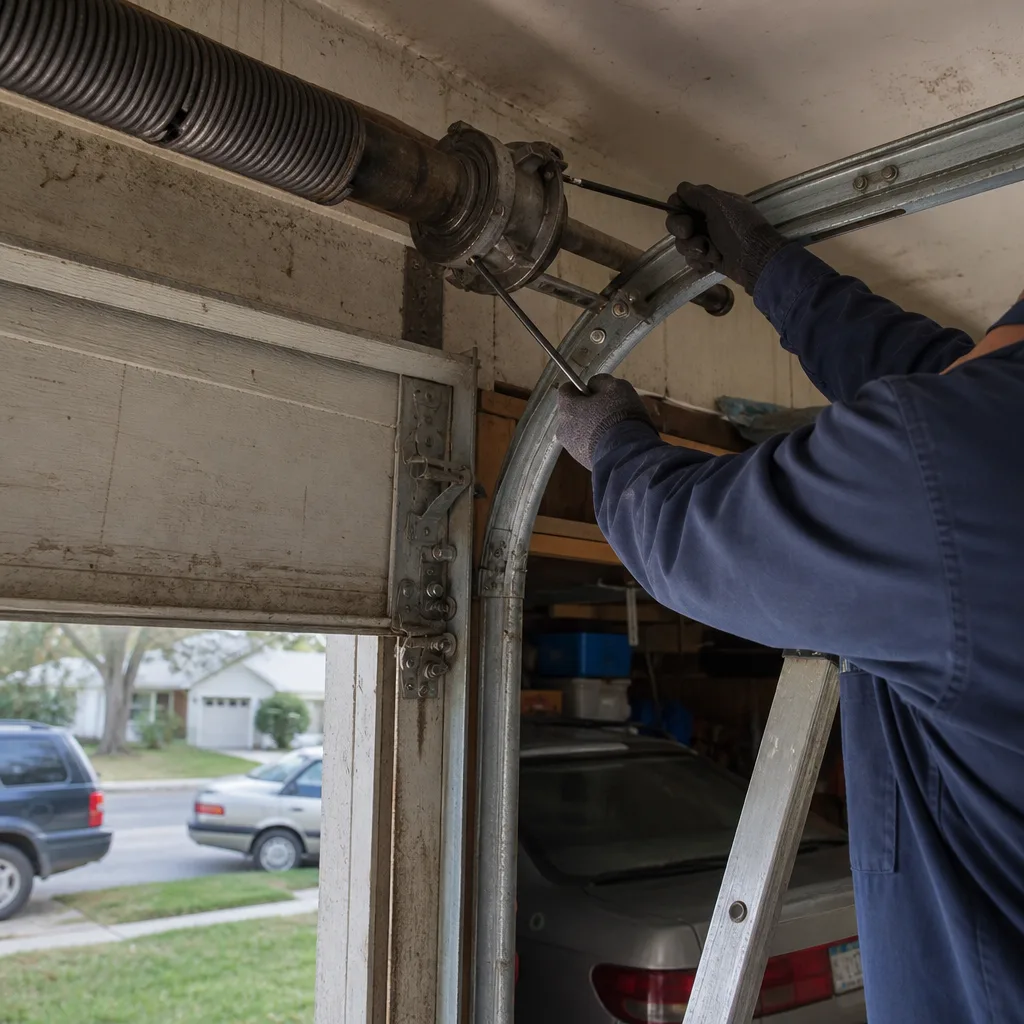 Before
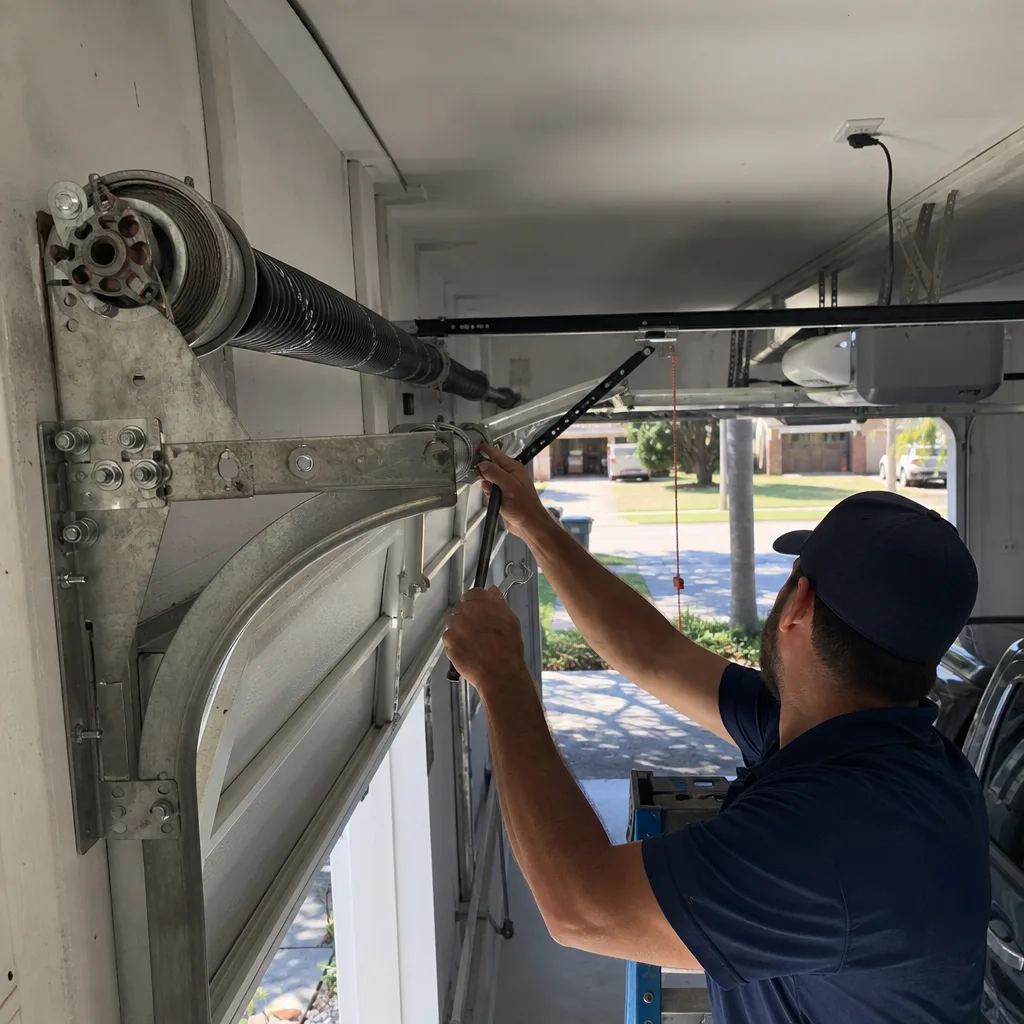 After
 Before
 After
 Before
 After